
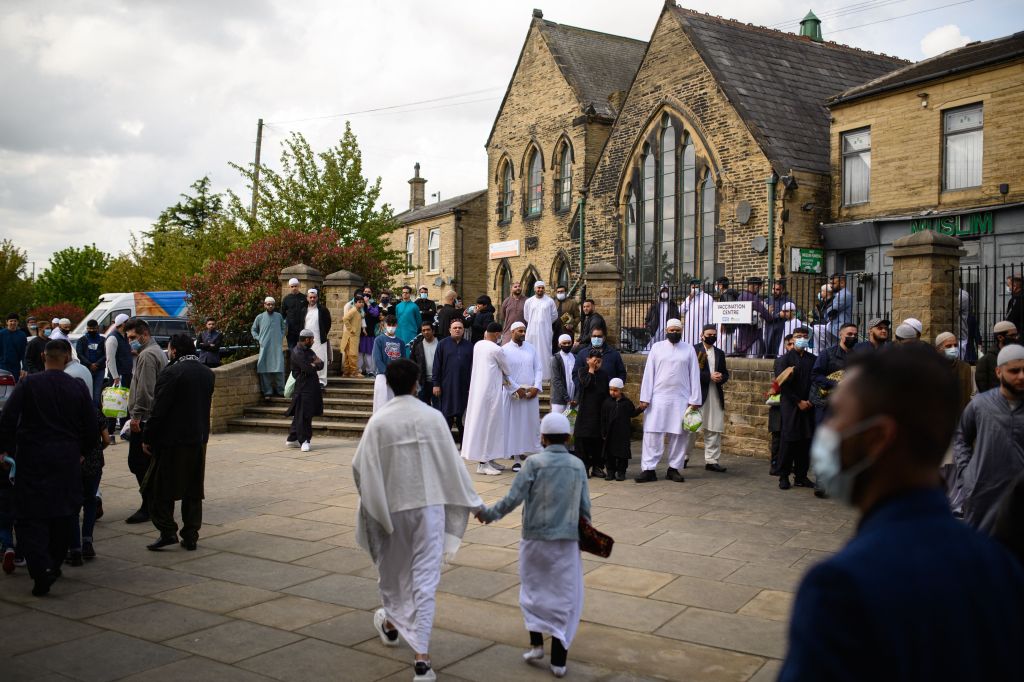
BBC Pioneers with Historic Live Eid Ceremony Broadcast
The British Broadcasting Corporation (BBC) is poised to make a remarkable leap in cultural representation by airing the first-ever live Eid celebration. This unprecedented event is not just a broadcast; it symbolizes a significant step towards inclusivity and an enhanced understanding of the rich tapestry of cultural traditions within the Muslim community in the UK. By embracing this momentous occasion, the BBC is set to unite viewers across the nation, fostering greater appreciation for the diversity that shapes British society.
Celebrating Eid: A Meaningful Tradition
Eid, which translates to “celebration” in Arabic, holds profound significance for Muslims around the world. It marks the end of Ramadan, a month dedicated to fasting, prayer, and reflection. The holiday is observed with communal prayers, festive meals, and acts of charity. This live broadcast will not only showcase these traditions but also highlight the sense of community that Eid fosters among Muslims.
- Eid al-Fitr: Celebrated at the conclusion of Ramadan, this Eid focuses on gratitude and community.
- Eid al-Adha: Coinciding with the Hajj pilgrimage, this Eid signifies sacrifice and charity, often involving the ritual sacrifice of an animal.
Through the lens of the BBC’s live broadcast, viewers will gain insight into the vibrant practices associated with these celebrations, from the morning prayers to the elaborate feasts that follow. The event aims to transcend mere observation; it seeks to immerse audiences in the cultural richness that Eid represents.
Historical Context and Significance of the Broadcast
The decision to air a live Eid ceremony is historic for several reasons. Traditionally, media coverage of Muslim events has been limited, often focusing on singular narratives that do not capture the full spectrum of the community’s experiences. By presenting a live Eid celebration, the BBC is challenging these narratives and offering a platform for authentic representation.
This initiative is particularly timely, as the discourse surrounding multiculturalism in the UK continues to evolve. In recent years, there has been a growing call for media outlets to reflect the diversity of the nation more accurately. The BBC’s pioneering broadcast aligns with this call, making strides towards inclusivity and fostering dialogue among different cultural groups.
What to Expect from the Live Eid Ceremony Broadcast
Viewers tuning in for the live Eid ceremony can anticipate a rich tapestry of experiences. The broadcast is expected to include:
- Live Prayers: Witness the communal prayers that are central to the Eid celebration, providing a sense of unity and shared faith.
- Cultural Performances: Enjoy traditional music and dance that reflect the diverse backgrounds within the Muslim community.
- Interviews and Stories: Hear from community leaders and families about what Eid means to them, showcasing personal narratives that resonate with broader themes of love, compassion, and togetherness.
- Cooking Segments: Experience the culinary delights of Eid with segments featuring traditional dishes, illustrating the importance of food in cultural celebrations.
This multifaceted approach not only entertains but also educates viewers on the richness of Muslim traditions, encouraging a deeper understanding of the cultural fabric that comprises British society.
The Importance of Representation in Media
Media representation plays a crucial role in shaping societal perceptions. As such, the BBC’s live Eid broadcast is significant beyond its immediate entertainment value. It serves as a powerful reminder of the importance of inclusive storytelling in media. When diverse communities see themselves represented positively, it can foster a sense of belonging and validation.
Moreover, this representation can combat stereotypes that often pervade public discourse. By showcasing the joy, community, and spirituality of Eid, the BBC is not only celebrating a religious occasion but also dismantling preconceived notions about Muslims and their traditions.
Community Reactions and Anticipation
The announcement of the live Eid broadcast has generated excitement and anticipation within the Muslim community and beyond. Community leaders have expressed their gratitude for the recognition and representation that this event signifies. Many see it as a chance to bridge gaps and foster understanding among different cultural groups.
Local mosques and community centers are gearing up to engage with the broadcast, encouraging families to celebrate together in their homes while tuning in. Social media platforms are abuzz with discussions and plans for viewing parties, underscoring the communal spirit that Eid embodies.
Looking Ahead: A Future of Inclusivity
The BBC’s decision to pioneer a live Eid ceremony broadcast is a hopeful step towards a media landscape that values diversity and inclusivity. It opens the door for future broadcasts of significant cultural and religious events, fostering a greater sense of community among different groups in the UK.
As audiences experience the live celebrations, there is a collective hope that this event will pave the way for more inclusive programming across various platforms. The potential benefits of such representation are monumental, not just for the Muslim community but for all viewers who seek to understand and appreciate the rich diversity that defines contemporary Britain.
Conclusion: A Celebration of Unity in Diversity
In conclusion, the BBC’s historic live Eid ceremony broadcast stands as a testament to the power of media in shaping narratives and fostering understanding. By showcasing the vibrant traditions of the Muslim community, the BBC is not only celebrating Eid but also promoting a culture of inclusivity and respect among different cultural groups. As viewers prepare to tune in, they are invited to partake in a celebration that transcends faith and background, uniting everyone under the banner of shared human experience. This initiative is a significant milestone, heralding a new era of cultural representation in British media.
See more CNET Live