
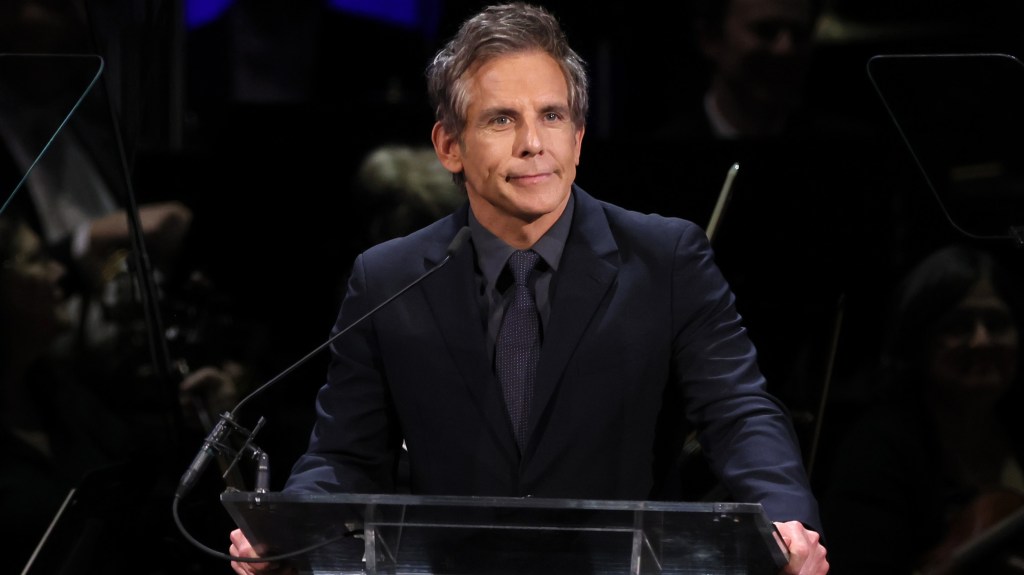
Ben Stiller Draws Parallels Between ‘Severance’ and Hollywood’s Current Landscape
In a fascinating exploration of contemporary cinema, acclaimed actor and director Ben Stiller has recently made some compelling observations regarding the themes of the Apple TV+ series ‘Severance’. Stiller, known for his sharp wit and keen insight into the entertainment industry, draws a thought-provoking analogy between the show’s dystopian narrative and the current constraints faced by Hollywood creatives. This article delves into the parallels Stiller highlights, showcasing the pressures on filmmakers and storytellers in an ever-evolving landscape.
The Premise of ‘Severance’ and Its Societal Commentary
‘Severance’, created by Dan Erickson and starring the likes of Adam Scott and Patricia Clarkson, presents a chilling scenario where employees undergo a procedure that separates their work memories from their personal lives. This division creates a stark contrast between their professional selves and their existence outside the office, effectively rendering them “severed” from their own identities. The series, while rooted in science fiction, resonates deeply with contemporary societal issues, particularly the struggle for work-life balance and personal autonomy.
Ben Stiller, who directs several episodes of the show, emphasizes how ‘Severance’ serves as a metaphor for the creative constraints many artists face in today’s Hollywood. In his view, the series reflects a broader conversation about the choices available to creatives, often limited by the demands of commercial viability and audience expectations.
Hollywood’s Safe Choices and Creative Constraints
The entertainment industry has undergone significant transformations in recent years, particularly with the rise of streaming platforms and the demand for content that appeals to global audiences. Stiller argues that these shifts have led to a tendency among studios to prioritize safe, formulaic storytelling over bold, innovative narratives. This phenomenon can be likened to the “severance” experienced by characters in the series, where the vibrancy of creative expression is dulled by the pressures of marketability.
Some key factors contributing to this environment include:
- Commercialization of Content: Studios are increasingly focused on profitability, often opting for sequels, remakes, and adaptations of existing franchises rather than original storytelling.
- Global Market Considerations: Content creators feel compelled to cater to diverse international tastes, which can dilute unique voices and perspectives.
- Audience Analytics: With data-driven insights available, studios may shy away from risky projects, opting instead for those projected to yield the highest returns.
Pressure on Creatives: A Double-Edged Sword
While the pressure to conform to these industry standards can stifle creativity, it also serves as a challenge that some artists embrace. Stiller notes that many filmmakers are finding innovative ways to navigate these constraints, using the limitations as a springboard for unique storytelling. ‘Severance’ itself exemplifies this approach, seamlessly blending dark humor with a poignant critique of work culture.
Moreover, the rising popularity of independent cinema and web series has created a burgeoning space for original voices. Many creators are leveraging platforms like YouTube and social media to share their stories, often bypassing traditional studio systems altogether. This democratization of content creation can be viewed as a rebellion against the ‘severed’ approach of mainstream Hollywood.
Personal Reflections on Creativity and Authenticity
Stiller’s insights also touch on the importance of authenticity in storytelling. He believes that the most compelling narratives arise from genuine experiences and perspectives. In a world where creativity can feel constrained, he encourages artists to draw from their own lives, embracing vulnerability and honesty in their work.
This perspective resonates with many creators who seek to break free from the confines of industry norms. By prioritizing personal narratives and authenticity, storytellers can forge deeper connections with audiences, fostering a sense of community and shared experience.
Looking Ahead: A Hopeful Future for Hollywood
Despite the challenges posed by the current landscape, Stiller remains optimistic about the future of Hollywood. He believes that as audiences become more discerning and demand diverse content, there will be ample opportunities for creative expression. The success of shows like ‘Severance’ demonstrates that there is a market for innovative storytelling that challenges traditional norms.
In addition, the rise of various platforms has given creators more avenues to share their work. With the barriers to entry lowering, there’s a growing expectation for studios to support original content and take risks on new ideas. This shift could pave the way for a renaissance in storytelling, where creativity flourishes in all its forms.
Final Thoughts: Embracing the Complexity of Creativity
Ben Stiller’s commentary on the parallels between ‘Severance’ and Hollywood’s current landscape serves as a vital reminder of the complexities inherent in creative work. As filmmakers navigate the maze of commercial demands and artistic integrity, it’s essential to recognize the importance of authenticity and innovation.
In an industry that often feels ‘severed’ from its roots, creators must continue to push boundaries, challenge conventions, and embrace the richness of their experiences. By doing so, they can reclaim their voices, allowing for a future where creativity is not just a commodity, but a vibrant and essential part of the human experience. As we look ahead, the hope is that Hollywood will evolve into a space where bold storytelling thrives, reflecting the diverse tapestry of voices that make up our society.
See more CNET Live