
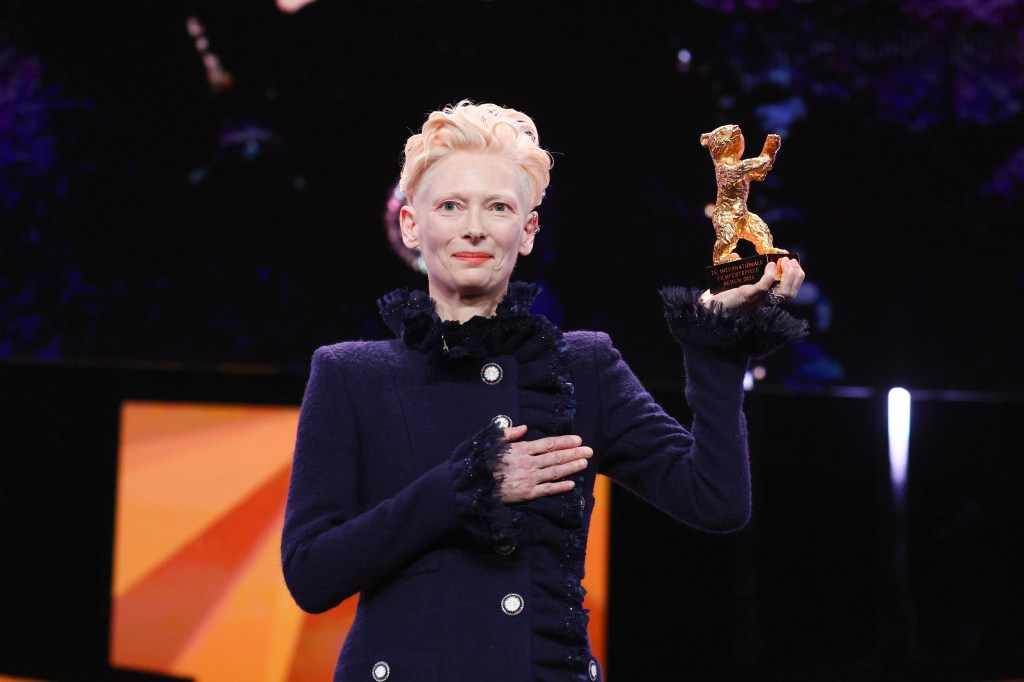
A New Era for the Berlin Film Festival: Tilda Swinton’s Passionate Call to Action
The Berlin Film Festival, one of the most prestigious film festivals in the world, is stepping into an exciting new chapter under fresh leadership. This transition has been marked by a powerful and impassioned speech from acclaimed actress Tilda Swinton. Her address resonated deeply with festival-goers, as she highlighted urgent social issues that demand attention, aligning perfectly with the festival’s mission to showcase narratives that challenge societal norms and provoke critical thought.
Tilda Swinton’s Vision for the Future
Tilda Swinton, known for her eclectic roles and commitment to diverse storytelling, took center stage to call for a renewed commitment to social justice and representation in the film industry. Her speech was not just a reflection of her personal beliefs but a clarion call for filmmakers, audiences, and industry stakeholders to engage with pressing global issues through the medium of film.
Swinton emphasized the power of cinema as a tool for change, stating, “Film has the unique ability to reflect our realities and shape our perceptions. It is our responsibility as storytellers to not shy away from the difficult subjects that affect our lives.” This passionate plea underscores the festival’s objective to present films that are not only entertaining but also enlightening and transformative.
The Importance of Representation
In her speech, Swinton pointed out the critical need for representation in film, particularly for marginalized communities. She argued that diverse voices are essential for a holistic understanding of the world we live in. By amplifying these voices, the Berlin Film Festival can challenge the status quo and push for a more inclusive narrative.
- Highlighting underrepresented stories: The festival aims to showcase films that tell the stories of those often sidelined in mainstream cinema.
- Encouraging filmmakers: Swinton’s call to action encourages filmmakers to explore themes of identity, culture, and social justice.
- Fostering dialogue: By bringing these narratives to the forefront, the festival can foster important conversations among audiences.
The Role of Film Festivals in Social Change
Film festivals like Berlin serve as a platform for emerging talents and a stage for important discussions. They can be catalysts for social change by highlighting critical issues through the lens of storytelling. Swinton’s speech emphasized this role, urging attendees to reflect on how films can inspire action and empathy.
Throughout its history, the Berlin Film Festival has championed films that address social issues. From environmental concerns to human rights, the festival has always been at the forefront of promoting films that challenge audiences to think critically about the world around them. Swinton’s call to action aligns seamlessly with this legacy, encouraging a continuation of this vital work.
New Leadership and Fresh Perspectives
With the appointment of new leadership at the Berlin Film Festival, there is a palpable sense of optimism and excitement. The fresh perspectives brought in by the new team are expected to invigorate the festival’s programming and initiatives. Swinton’s speech was well-timed, as it not only celebrated the festival’s past achievements but also set an ambitious agenda for its future.
The new leadership aims to integrate more interactive and immersive experiences for audiences, making the festival not just a viewing platform but a space for dialogue and engagement. This approach is in line with Swinton’s vision of cinema as a means of social engagement.
Highlighting Urgent Social Issues
During her speech, Swinton addressed several urgent social issues that are increasingly relevant in today’s global landscape:
- Climate Change: Swinton called for filmmakers to engage with environmental narratives and to create films that inspire action towards sustainability.
- Gender Equality: She emphasized the need for gender parity in filmmaking, both in front of and behind the camera.
- Racial and Cultural Representation: Highlighting the importance of diverse storytelling, she urged the industry to embrace a broader range of experiences and perspectives.
These issues are not just topics for discussion; they are urgent calls for action that can be addressed through the power of cinema. Swinton’s passionate address serves as a reminder of the potential that film has to influence public opinion and inspire change.
Engaging the Audience
Engaging audiences is crucial for any film festival, and the Berlin Film Festival is no exception. Tilda Swinton’s passionate call to action encourages audiences to not only appreciate the films presented but also to reflect on their broader implications. This engagement is vital for fostering a community that values diversity, empathy, and activism.
By encouraging audiences to participate in discussions and reflections on the films they watch, the festival can create a more dynamic and involved viewing experience. This approach aligns with Swinton’s belief in the transformative power of storytelling, as she noted, “Cinema is a mirror that reflects our society. It is up to us to ensure that the reflection is one we can all recognize and learn from.”
The Future of the Berlin Film Festival
As the Berlin Film Festival embarks on this new era, Tilda Swinton’s speech will undoubtedly leave a lasting impact. Her passionate call to action resonates with the festival’s commitment to showcasing powerful narratives that challenge the status quo. With new leadership committed to fostering diversity and social engagement, the future looks bright for the festival and its role in the global film landscape.
In conclusion, Tilda Swinton’s impassioned address at the Berlin Film Festival has set a powerful tone for the future of the event. Her call to action not only champions urgent social issues but also reinforces the festival’s mission to promote diverse voices and narratives. As the festival embraces this new era, it stands poised to continue its legacy as a platform for change, inspiring both filmmakers and audiences alike to engage with the world around them.
See more CNET Live