
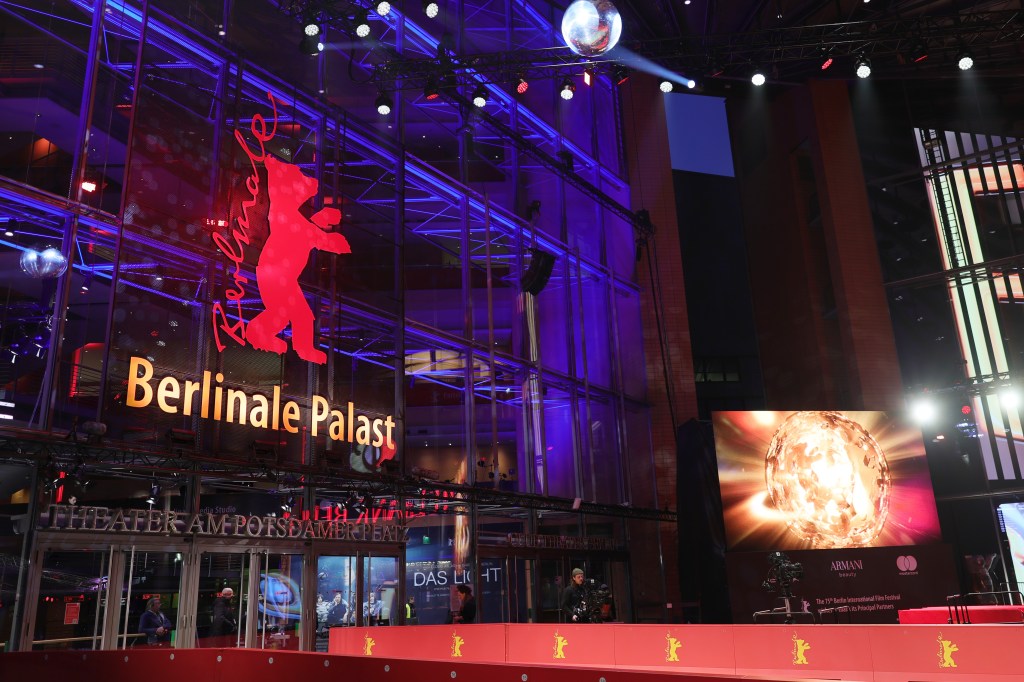
Berlinale Faces New Challenges Amid Israel-Palestine Tensions
The Berlinale film festival, one of the most prestigious cultural events in the world, is currently grappling with the complexities of an increasingly polarized political landscape. This year, the festival has become a focal point for discussions about artistic freedom, political expression, and the implications of filmmaker statements regarding the ongoing Israel-Palestine conflict. The situation escalated when a Hong Kong filmmaker found himself under scrutiny for remarks that have sparked heated debate and controversy.
The Context: A Festival in Flux
Berlinale, formally known as the Berlin International Film Festival, has long been a platform for filmmakers to showcase their work, engage with audiences, and spark dialogues on pressing social issues. However, the intersection of art and politics has become particularly pronounced this year. With the backdrop of the Israel-Palestine tensions, the festival is navigating a complex landscape where artistic expression is both celebrated and scrutinized.
The controversy began when a prominent Hong Kong filmmaker made comments perceived as critical of Israel during a press conference. These remarks quickly drew attention, leading to an investigation by authorities concerning the filmmaker’s statements. This incident raises vital questions about the limits of artistic expression, the responsibilities of filmmakers, and the potential repercussions of speaking out on sensitive political issues.
The Importance of Artistic Expression
Art has always been a powerful medium for political expression. Filmmakers often use their platforms to comment on societal issues, provoke thought, and inspire change. The Berlinale has historically embraced this ethos, showcasing films that challenge the status quo and encourage discourse. However, the current environment poses challenges that could stifle such expressions.
- Freedom vs. Responsibility: Artists must balance their freedom of expression with the potential impact of their words. In politically charged climates, this balancing act can become fraught with tension.
- Public Reaction: The response from audiences and critics can vary widely, and filmmakers must navigate the risk of backlash against their statements.
- Institutional Support: Festivals like Berlinale have a role in protecting artists while also addressing the political ramifications of their work.
Political Discourse in the Film Industry
The investigation into the Hong Kong filmmaker’s comments has reignited discussions about the role of filmmakers in political discourse. Some argue that artists should remain neutral, while others contend that silence in the face of injustice is complicity. This dichotomy creates a challenging environment for filmmakers who wish to engage with pressing global issues.
While the film industry has a long history of addressing political themes—ranging from war and human rights to environmental issues—the current Israel-Palestine tensions present unique challenges. The polarized nature of the discourse can make it difficult for filmmakers to express their views without facing backlash from various factions.
Challenges Faced by Berlinale
As the Berlinale continues, it must navigate the fallout from this controversy while maintaining its commitment to artistic freedom. The festival faces several challenges:
- Reputation Management: The festival must address concerns from various stakeholders, including filmmakers, audiences, and sponsors, who may have differing views on the issue.
- Maintaining Artistic Integrity: Balancing the festival’s mission to support artistic expression while navigating political sensitivities is a delicate task.
- Dialogue Facilitation: Berlinale has an opportunity to facilitate conversations around the issues raised by the filmmaker’s comments, providing a platform for diverse perspectives.
Potential Solutions and Forward Thinking
In light of the challenges, the Berlinale might consider several approaches to foster a constructive environment:
- Panel Discussions: Hosting panels that feature filmmakers, critics, and political analysts can provide a space for open dialogue about the intersection of art and politics.
- Workshops on Ethical Filmmaking: Offering workshops that address the responsibilities of filmmakers when engaging with sensitive topics can help cultivate a more informed artistic community.
- Support Systems for Filmmakers: Establishing resources for filmmakers who find themselves in controversial situations can enhance their ability to navigate the complexities of political discourse.
Conclusion: The Road Ahead for Berlinale
The Berlinale film festival is at a crossroads as it faces new challenges amid the Israel-Palestine tensions. The ongoing investigation of the Hong Kong filmmaker serves as a microcosm of the broader struggles within the film industry regarding artistic expression and political engagement. As the festival moves forward, it has a unique opportunity to champion the principles of artistic freedom while fostering an environment where meaningful discussions can occur.
Ultimately, the festival’s response to this controversy will not only shape its own legacy but also influence filmmakers and audiences worldwide. The relationship between art and politics is complex, but it is also vital to the evolution of society. By embracing this challenge, Berlinale can emerge as a leader in promoting thoughtful dialogue and supporting artists in their pursuit of truth and expression.
See more CNET Live