
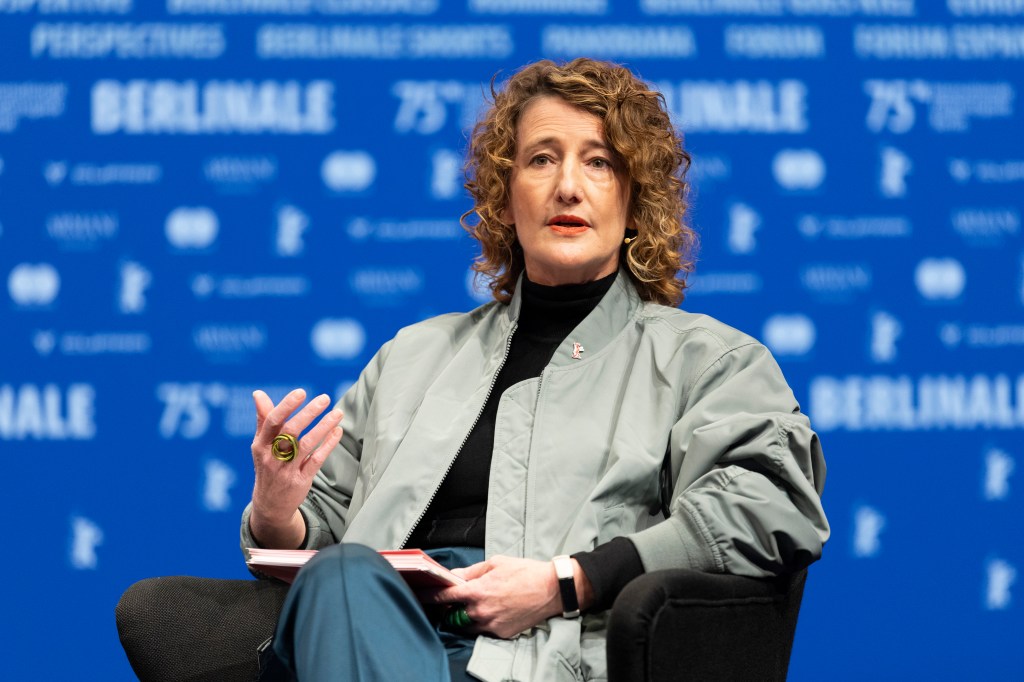
Berlinale’s Tricia Tuttle on Artistic Freedom
Tricia Tuttle, the dynamic director of the Berlin International Film Festival, commonly known as Berlinale, recently highlighted the vital conversation surrounding artistic freedom in cinema. This year, the festival has not only taken a stand on this pressing issue but has also celebrated a remarkable funding surge of $1.9 million aimed at supporting filmmakers, particularly those from Arab nations. This funding increase reflects a broader commitment to nurturing diverse voices in the film industry and fostering collaboration across cultures.
Understanding the Context of Artistic Freedom
Artistic freedom is a cornerstone of cinema, allowing filmmakers to express their thoughts, critique societal norms, and tell stories that resonate with audiences worldwide. However, this freedom is often under threat, especially in regions where censorship and political pressures are prevalent. Tuttle emphasizes that the Berlinale stands as a platform for filmmakers to push boundaries and engage in dialogues that challenge the status quo.
In a world where the lines between art and politics frequently blur, the role of festivals like Berlinale becomes even more crucial. They offer filmmakers a safe haven to showcase their work without the fear of repression. Tuttle stated, “Art has the power to transcend borders and bring people together, and it is our duty to protect that freedom.” This philosophy resonates deeply with the festival’s mission, particularly as it welcomes a growing number of artists from the Arab world.
The Significance of the $1.9M Funding Surge
The recent funding increase of $1.9 million is a significant boost for Berlinale, enabling the festival to expand its initiatives aimed at supporting filmmakers from underrepresented regions. This financial support is essential in creating opportunities for emerging filmmakers to realize their visions and participate in the global film community.
- Increased Opportunities: The funding will facilitate workshops, mentorship programs, and networking events tailored for Arab filmmakers.
- Showcasing Talent: More resources mean more films from Arab nations can be featured, highlighting unique stories and perspectives.
- Building Bridges: The initiative aims to foster collaborations between Arab filmmakers and their international counterparts, enriching the cinematic landscape.
This funding surge is not merely a financial boost; it represents a commitment to inclusivity and diversity in storytelling. Tuttle believes that by amplifying the voices of Arab filmmakers, Berlinale can help to reshape narratives and challenge stereotypes that often permeate mainstream cinema.
Insights from Arab Filmmakers
Arab filmmakers have faced numerous challenges in their quest for recognition and support. Many operate in environments where artistic expression is constrained, making their participation in international festivals like Berlinale a significant achievement. Tuttle shared insights from various Arab filmmakers, showcasing their resilience and creativity in the face of adversity.
For instance, filmmakers from countries such as Lebanon, Syria, and Egypt are increasingly using their craft to address social issues and historical narratives. Their works often reflect personal experiences and societal challenges, resonating with audiences on a profound level. Tuttle noted, “The stories emerging from the Arab world are not just regional; they speak to universal truths that everyone can relate to.”
These filmmakers are not just participants; they are innovators who are redefining the cinematic landscape with their unique voices. Tuttle mentioned filmmakers like Nadine Labaki and Mohamed Diab, who have gained international acclaim for their powerful storytelling. Their films often tackle themes of identity, migration, and the complexities of modern life in the Arab world.
Fostering Collaboration at Berlinale
One of the key initiatives that Berlinale is championing is fostering collaboration between Arab filmmakers and those from other regions. Tuttle believes that such partnerships can lead to richer storytelling and a broader understanding of diverse cultures. By creating an environment where filmmakers can share ideas, resources, and experiences, Berlinale aims to cultivate a spirit of camaraderie and mutual support.
The festival has introduced several programs designed to facilitate these collaborations, including:
- Berlinale Talents: A platform for emerging filmmakers to connect, share knowledge, and develop their projects with the guidance of industry professionals.
- Co-production Market: An initiative that encourages partnerships between international and Arab filmmakers, providing them with the tools to bring their projects to fruition.
- Workshops and Panels: Educational events that focus on the unique challenges faced by Arab filmmakers, offering strategies for overcoming obstacles.
These initiatives not only enhance the festival experience but also contribute to a more vibrant and interconnected film community. Tuttle emphasized that “the future of cinema lies in collaboration, understanding, and the willingness to learn from one another.”
The Impact of Berlinale on Global Cinema
Berlinale’s commitment to artistic freedom and support for Arab filmmakers has far-reaching implications for the global cinema landscape. By prioritizing diverse voices, the festival not only enriches its own programming but also sets a precedent for other film festivals worldwide. Tuttle’s vision for Berlinale extends beyond its immediate sphere; it aims to inspire a global movement towards inclusivity and representation in film.
The ripple effects of this funding surge and the festival’s dedication to artistic freedom can already be seen in the increasing visibility of Arab cinema on international platforms. Films that once struggled for recognition are now finding their way into the limelight, thanks to the support provided by festivals like Berlinale.
Conclusion: A Bright Future for Artistic Expression
As Berlinale continues to champion artistic freedom and actively support Arab filmmakers, it stands as a beacon of hope for creators facing challenges in their home countries. Tricia Tuttle’s leadership and the festival’s commitment to inclusivity are paving the way for a more diverse and vibrant cinematic future.
In a world where stories are powerful catalysts for change, the role of film festivals in nurturing these narratives cannot be overstated. With the recent $1.9 million funding increase, Berlinale is not just investing in films; it is investing in the future of storytelling, one that is rich with diversity, creativity, and the unwavering spirit of artistic freedom.
See more CNET Live