
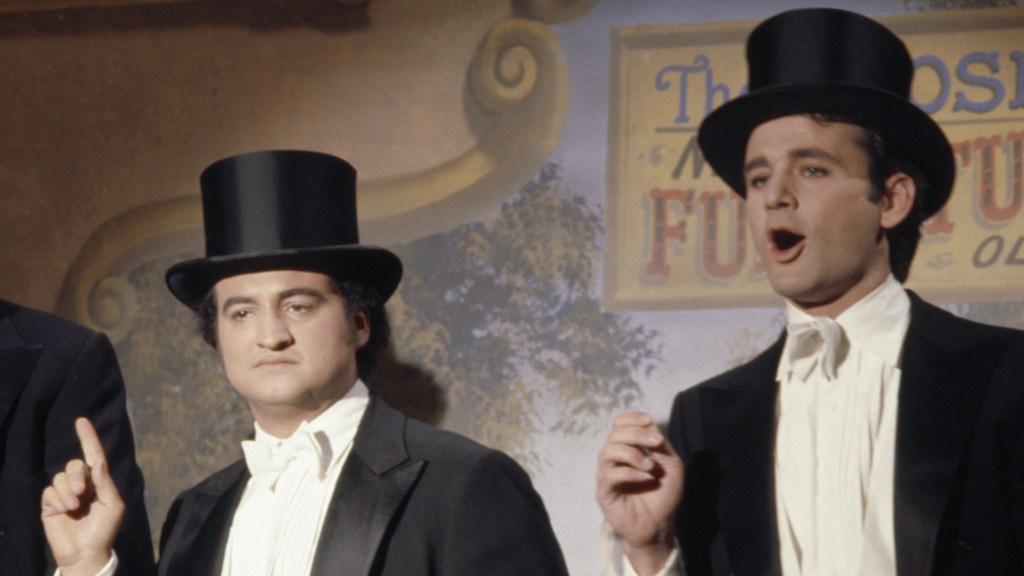
Bill Murray Stands Up for John Belushi: A Response to Woodward’s Controversial Biography
In a recent turn of events that has captivated the entertainment world, Bill Murray has come forward to defend his late friend and fellow comedian, John Belushi, against the allegations presented in Bob Woodward’s controversial biography. Murray’s bold assertion that the biography is “completely inaccurate” not only highlights the complexities surrounding Belushi’s legacy but also opens a dialogue about how celebrity narratives are shaped and interpreted over time.
The Legacy of John Belushi
John Belushi, a groundbreaking comedian and actor, rose to fame in the late 1970s through his work on “Saturday Night Live” and films like “Animal House” and “The Blues Brothers.” His unique blend of physical comedy and sharp wit made him a household name and a beloved figure in American pop culture. However, his life was tragically cut short in 1982 due to a drug overdose, leaving behind a legacy that is often rife with both admiration and controversy.
Belushi’s impact on comedy is undeniable. He was a pioneer who, despite his untimely demise, continues to influence comedians and actors today. Yet, as with many public figures, the narratives surrounding his life have often been distorted or sensationalized, leading to a complex and sometimes misleading portrait of the man behind the persona.
Murray’s Defense: A Personal Perspective
Bill Murray, who shared a close friendship with Belushi during their SNL tenure, voiced his concerns about Woodward’s portrayal, which he claims fails to capture the true essence of Belushi. Murray emphasized that while the biography may present a narrative based on facts, it lacks the depth and understanding of Belushi as a person. This perspective highlights a critical aspect of celebrity biographies: the challenge of balancing factual reporting with the emotional and personal realities of an individual’s life.
Murray’s defense points to a larger issue in the way media often chooses to represent public figures. In many cases, the sensational aspects of a person’s life—such as struggles with addiction—can overshadow their achievements and contributions. By standing up for Belushi, Murray aims to reclaim his friend’s narrative from the clutches of sensationalism and misrepresentation.
Analyzing Woodward’s Biography
Bob Woodward, an esteemed journalist known for his investigative prowess, has written extensively on various subjects, often bringing forth a wealth of information. However, the approach taken in his biography of Belushi has sparked significant debate. Critics argue that Woodward’s style, which often emphasizes the darker aspects of a subject’s life, may not adequately reflect the full story.
- Fact vs. Interpretation: While Woodward may present facts, interpretation plays a crucial role in how those facts are perceived. The nuances of Belushi’s life—his friendships, his creativity, and his struggles—are complex and cannot be distilled into a single narrative.
- The Role of Media: Biographies often reflect the biases and perspectives of their authors. In this case, the sensationalism surrounding Belushi’s life may overshadow the more profound elements of his character and contributions.
- Personal Accounts: First-hand accounts from friends and colleagues, like Murray, provide invaluable insight into Belushi’s true nature, offering a counter-narrative to the often sensationalized depictions found in media.
Celebrity Narratives: The Impact of Public Perception
The discourse surrounding John Belushi’s legacy serves as a microcosm for the larger conversation about how society perceives and represents celebrities. Often, the public narrative can be a double-edged sword, where fame brings both admiration and intense scrutiny. Celebrities, like Belushi, are subjected to a relentless spotlight, which can distort their realities and amplify their flaws.
Moreover, the way media shapes these narratives can have lasting implications. For instance, the portrayal of addiction and mental health issues in the lives of public figures can contribute to stigma or empathy, depending on how the narrative is constructed. Murray’s defense of Belushi underscores the importance of approaching such stories with a sense of compassion and understanding, rather than mere sensationalism.
The Importance of Reclaiming Narratives
As Murray stands up for Belushi, he emphasizes the need to reclaim narratives that may have been unfairly skewed. This act of reclamation is not just about protecting a friend’s legacy; it’s about recognizing the humanity in public figures who often become caricatures in the eyes of the public. The complexities of their lives, including their struggles and triumphs, deserve a more nuanced exploration.
By advocating for a more balanced portrayal of Belushi, Murray invites audiences to look beyond the headlines and delve into the intricacies of a person’s life. This approach not only honors Belushi’s memory but also encourages a broader understanding of the pressures faced by those in the public eye.
Conclusion: The Enduring Legacy of John Belushi
In the wake of Bill Murray’s defense against Bob Woodward’s controversial biography, the conversation surrounding John Belushi’s life and legacy continues to evolve. Murray’s passionate response serves as a reminder of the complexities inherent in celebrity narratives and the importance of approaching such stories with empathy and understanding.
As fans and admirers of Belushi reflect on his contributions to comedy, it becomes increasingly apparent that the narrative surrounding his life is multifaceted. By standing up for his friend, Murray not only honors Belushi’s memory but also challenges society to reconsider how it represents the lives of those who have shaped culture. The legacy of John Belushi is one that deserves to be celebrated, not sensationalized, and it is through these discussions that we can ensure his story is told with the respect and dignity it deserves.
See more CNET Live