
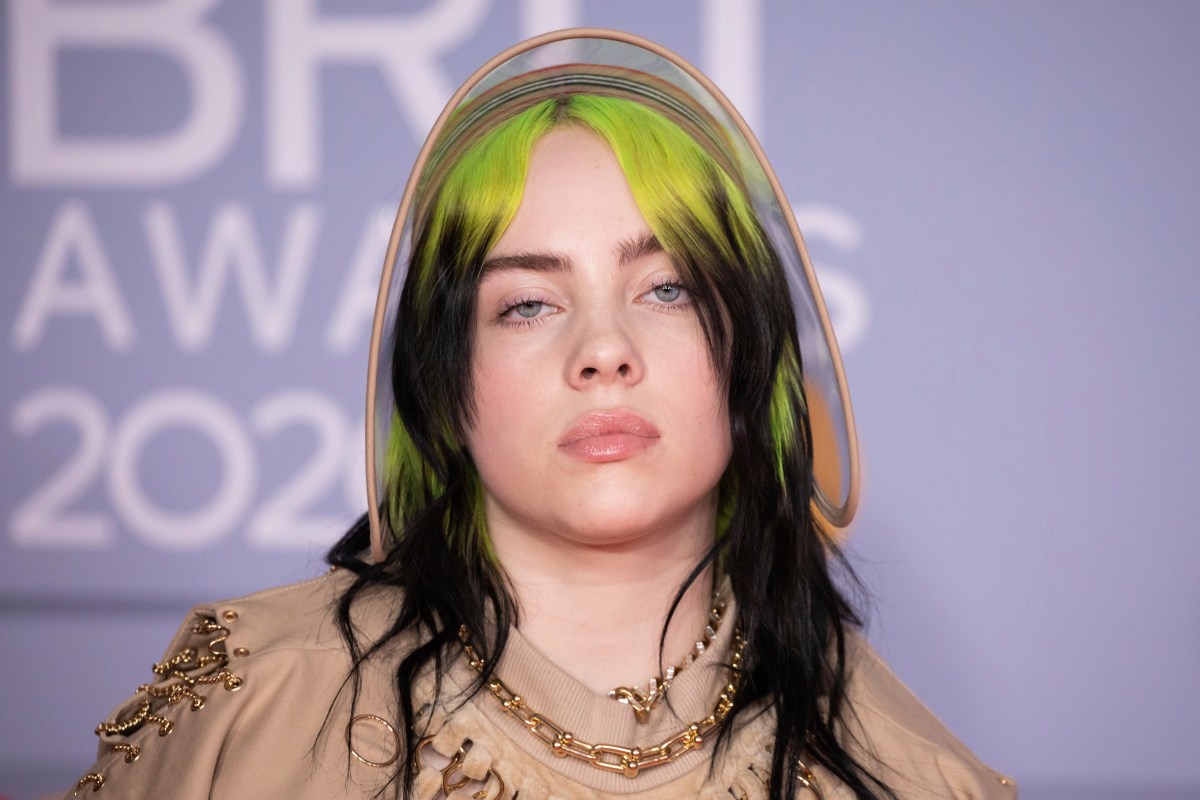
Billie Eilish Struck by Object During Live Performance: What Happened?
In an alarming turn of events during a recent concert, pop icon Billie Eilish was struck in the face by an object thrown from the audience. This incident has left fans and concert-goers not only shocked but also deeply concerned about the safety protocols at live performances. As one of the biggest names in the music industry, Eilish’s experience raises important questions about fan behavior, artist safety, and the responsibilities of event organizers.
The Incident: What Went Down?
During her energetic performance, Eilish was suddenly hit by an object—a reportedly thrown item that was not immediately identified. Eyewitnesses described the moment as tense, with Eilish visibly stunned for a brief moment before regaining her composure. She continued the show, but the disruption was palpable, and it became a focal point of discussion among fans and the media alike.
Videos circulating on social media captured the moment, showing the object flying towards Eilish and her immediate reaction. Fans expressed their outrage on various platforms, condemning the actions of the individual who threw the object. Many voiced concerns about the implications of such behavior, especially in a live music setting where artists are often vulnerable to the whims of their audience.
Artist Safety in the Spotlight
The safety of performers has become an increasingly pressing issue in the entertainment industry. Incidents of fans throwing objects at artists are not new, but they have gained more attention in recent years. In addition to Eilish, other artists like Harry Styles, Bebe Rexha, and Dua Lipa have faced similar situations, raising alarms about the need for stricter security measures at concerts.
- Physical safety: Artists can be injured from thrown objects, leading to serious physical harm.
- Emotional impact: Incidents like these can cause lasting psychological effects on performers, potentially affecting their mental health and stage presence.
- Performance disruption: Such incidents can interrupt the flow of a concert, impacting the experience for both the artist and the audience.
In a world where artists are expected to put their all into performances, the risk of injury from audience actions is an unfortunate reality. This incident serves as a stark reminder that while concerts can be a space for joy and connection, they can also pose serious risks.
Exploring Fan Behavior and Responsibility
Fan behavior is a crucial aspect of live performances. While the majority of concert-goers are respectful and engaged, a small minority can disrupt the experience for everyone. The reasons behind such reckless actions can vary, but they often stem from a mixture of excitement, intoxication, and sometimes a blatant disregard for the safety of others.
Understanding the psychology of fans at live events can be complex. The thrill of being in close proximity to a celebrity can lead some to act out in ways they wouldn’t normally consider. However, this does not absolve individuals of responsibility for their actions. Concert organizers and venues must implement effective measures to deter such behavior:
- Increased security presence: Having more security personnel can help monitor crowd behavior and address potential issues before they escalate.
- Clear communication: Announcements regarding acceptable behavior can set the tone for the audience before a performance begins.
- Strict penalties: Enforcing strict consequences for disruptive behavior can help deter fans from acting irresponsibly.
The Broader Implications for Live Events
The incident involving Billie Eilish is not just an isolated event; it reflects broader trends and challenges faced by the live entertainment industry. As audiences grow larger and more diverse, the dynamics of crowd behavior evolve. The industry must adapt by enhancing safety protocols and increasing awareness surrounding the responsibilities of both artists and fans.
Furthermore, the potential for negative media coverage following such incidents can have lasting effects on an artist’s brand and career. Artists may feel compelled to adjust their performances or even limit their interactions with fans to mitigate risks. This shift could ultimately change the nature of live performances, which are often celebrated for their intimacy and connection between artists and their audience.
Conclusion: A Call for Change
As Billie Eilish continues to captivate audiences worldwide, the incident at her recent concert serves as a critical reminder of the importance of safety and respect in live performances. While the thrill of attending a concert can sometimes lead to reckless behavior, it is essential for fans to recognize the impact of their actions on the artists they admire.
Moving forward, the music industry must prioritize the safety of performers while encouraging positive engagement from fans. By implementing stronger security measures and fostering a culture of respect, we can ensure that live performances remain a space for joy, creativity, and connection—free from harm and disruption. The responsibility lies with all parties involved: artists, organizers, and fans alike to create a safer environment for everyone enjoying the magic of live music.
See more CNET Live