
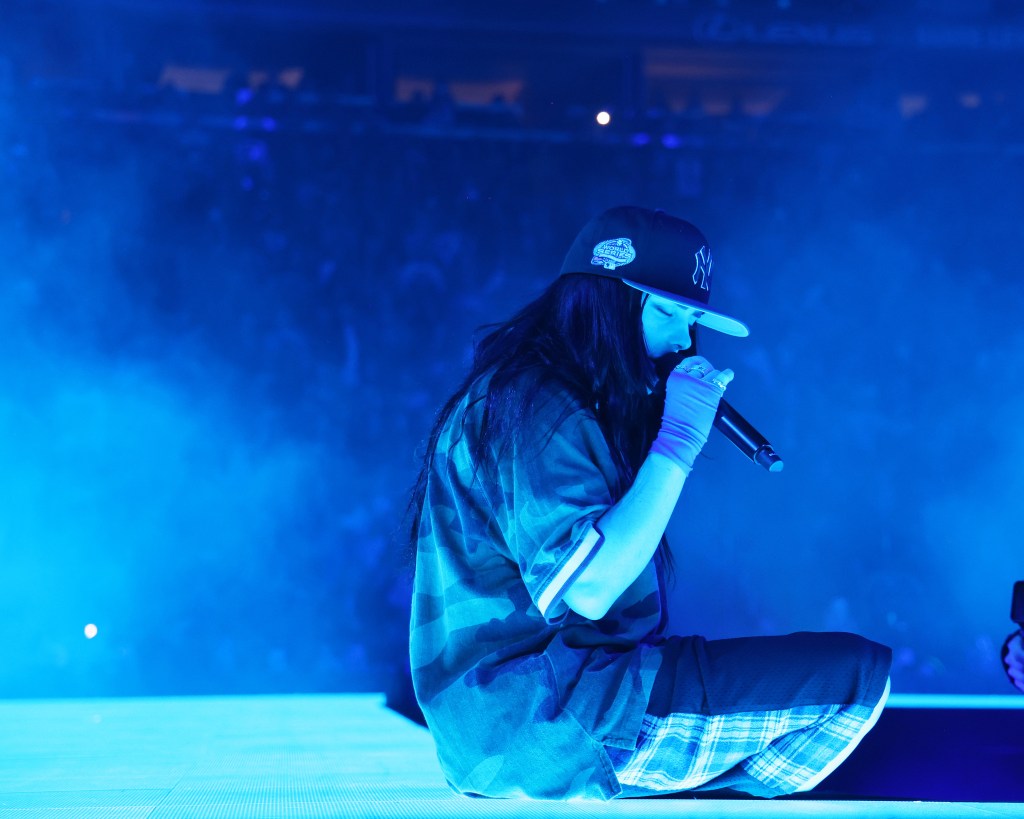
Billie Eilish’s Onstage Scare: A Closer Look at Fan Interactions and Performer Safety
During a recent electrifying performance, pop sensation Billie Eilish faced an unexpected moment of tension when an object was thrown onto the stage, momentarily startling her. This incident not only highlighted the unpredictable nature of live performances but also raised important questions about fan behavior and artist safety in the music industry. Despite the initial shock, Eilish demonstrated remarkable composure, continuing her performance and reaffirming her dedication to her fans. This article examines the incident, its implications for artists and audiences, and the broader context of performer safety in live music.
The Incident: A Brief Overview
Billie Eilish, known for her emotionally charged performances and connection with her audience, was in the midst of a set when an object—a plush toy—was hurled onto the stage. While many fans might have seen this as a playful gesture, it caught Eilish off guard, raising concerns about the boundaries of fan interaction. The moment was fleeting, yet it resonated with many who witnessed it, showcasing the delicate balance performers must maintain between engaging with their audience and ensuring their safety.
Understanding Fan Behavior
Fan interactions at concerts can range from enthusiastic to disruptive. Throwing objects onto the stage can be perceived in various ways:
- Affectionate Gesture: Some fans believe that throwing items like plush toys or gifts is a way to express admiration.
- Distraction: Such actions can divert the artist’s focus, impacting the overall performance quality.
- Potential Safety Hazard: Any thrown object, regardless of intent, can pose a risk to the performer, leading to injury or interrupted performances.
Eilish’s experience reflects a broader trend in the music industry where the lines between performer and audience are increasingly blurred. Artists often encourage fan engagement, yet incidents like this remind us of the need for boundaries.
The Impact of Social Media on Live Performances
In today’s digital age, social media amplifies fan interactions, creating a culture where audience members feel more connected to artists. This connection can lead to both positive and negative outcomes. For instance:
- Positive Engagement: Fans often share their experiences on platforms like Instagram and TikTok, promoting artists and creating a sense of community.
- Misguided Actions: The desire to go viral can spur fans to act out in ways that jeopardize the safety of performers.
The incident during Eilish’s performance serves as a reminder of these dynamics. While many fans share their love through supportive gestures, the potential for misunderstandings and safety risks remains high.
Artist Safety: A Growing Concern
As live performances return to prominence post-pandemic, the issue of artist safety has become increasingly critical. Several high-profile incidents in recent years have spotlighted the dangers performers face on stage:
- Physical Threats: From unwanted physical contact to aggressive fan behavior, artists can find themselves in precarious situations.
- Health Risks: The COVID-19 pandemic has also emphasized the importance of health safety measures during live events.
- Emotional Well-being: The pressure of live performances can take a toll on an artist’s mental health, exacerbated by unpredictable fan behavior.
In response to these concerns, many artists and their management teams are implementing stricter security measures at concerts. This includes:
- Enhanced security personnel
- Strict policies prohibiting throwing objects on stage
- Increased communication between artists and venue staff about safety protocols
The Role of Concert Venues and Promoters
Concert venues and promoters play a vital role in ensuring the safety of both artists and fans. They must establish clear guidelines regarding fan behavior and enforce them effectively. This includes:
- Signage warning against throwing objects on stage
- Training staff to handle disruptive situations
- Encouraging positive fan engagement through organized activities
By fostering a safe and respectful environment, venues can enhance the concert experience for both artists and attendees, minimizing the risk of incidents like the one Eilish experienced.
Billie Eilish’s onstage scare serves as a poignant reminder of the delicate balance between artist engagement and safety. While fan interactions can enrich live performances, it is crucial to establish boundaries that protect performers from unexpected disruptions. As the music industry continues to evolve, addressing these issues will be vital for ensuring that concerts remain safe and enjoyable experiences for everyone involved.
In the end, both artists and fans share a responsibility to create a positive concert atmosphere. By fostering mutual respect and understanding, we can help ensure that live music continues to be a source of joy and connection, without compromising the safety of those who bring it to life.
See more CNET Live