
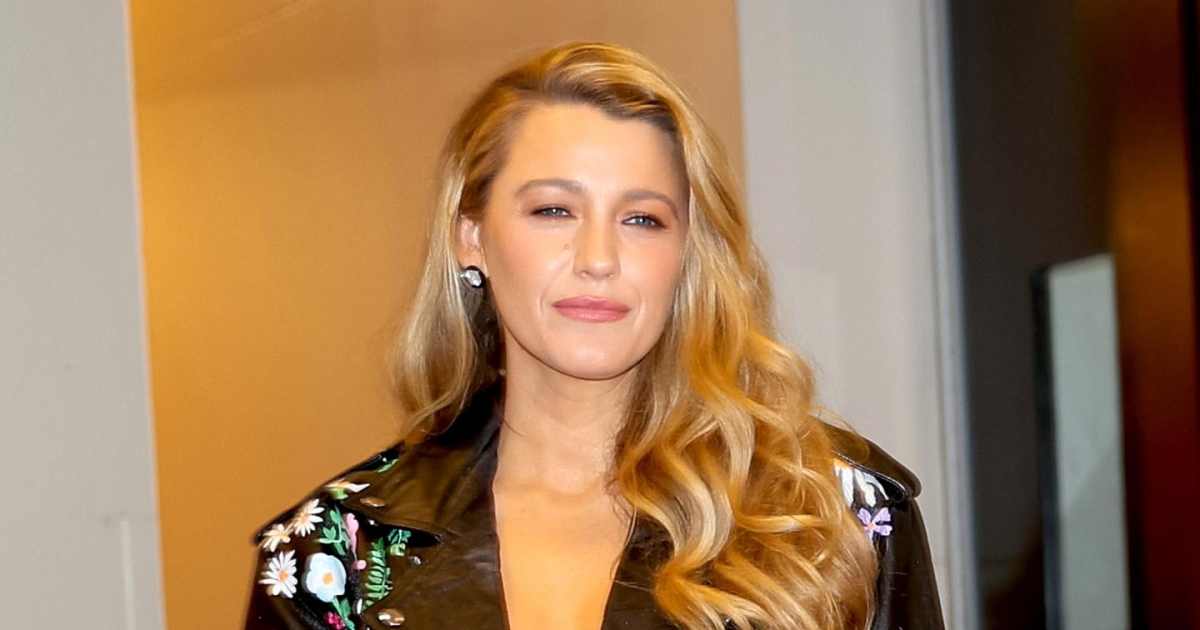
Blake Lively’s Bold Stance on Intimacy Coordinators Sparks Controversy Ahead of Lawsuit
In the ever-evolving landscape of film and television, discussions surrounding the treatment of performers have gained significant traction. Recently, Blake Lively, a prominent actress known for her roles in films and series like “Gossip Girl” and “A Simple Favor,” has entered the conversation with a bold declaration regarding the role of intimacy coordinators. This comes at a time when she is reportedly facing a legal battle, adding layers of complexity to her statements and igniting a fiery debate within the industry.
Understanding the Role of Intimacy Coordinators
Intimacy coordinators have emerged as essential figures in modern filmmaking, particularly in scenes that require nudity or simulated sexual content. Their primary responsibility is to ensure that all parties involved feel safe and comfortable during the filming process. This includes:
- Establishing clear guidelines and boundaries before filming intimate scenes.
- Facilitating communication between actors and directors.
- Providing support to actors who may feel vulnerable during these scenes.
The introduction of intimacy coordinators has been a significant step forward in creating a safer work environment for actors, particularly in light of the #MeToo movement, which exposed widespread misconduct in the entertainment industry. Their presence aims to prevent situations that may lead to discomfort or abuse, ensuring that intimacy on screen is both consensual and choreographed.
Blake Lively’s Advocacy for Intimacy Coordinators
In a recent interview, Blake Lively emphasized the vital role intimacy coordinators play in protecting performers. She stated, “We need to make sure that everyone feels safe and respected on set, especially when it comes to intimate scenes. Intimacy coordinators are not just a trend; they are a necessity.” This statement resonates deeply, particularly as Lively herself is navigating a legal dispute, which some speculate may relate to industry practices surrounding safety and consent.
Her comments have sparked a mix of support and criticism. Advocates for performers’ rights have applauded Lively for using her platform to highlight such an important issue, while others have questioned the necessity and effectiveness of intimacy coordinators in all projects.
The Controversy Unfolds
As Lively’s bold stance garners attention, it has also led to a heated debate among industry professionals. Some filmmakers argue that the presence of intimacy coordinators can hinder the creative process, suggesting that actors should be able to navigate intimate scenes without a third party mediating their interactions. This perspective raises critical questions about artistic expression versus the need for safety and consent.
However, many performers have publicly supported Lively’s viewpoint. For instance, actress Jessica Chastain recently shared her experiences with intimacy coordinators, stating, “Having someone there to advocate for us makes a world of difference. It allows us to focus on our performance without worrying about our safety.” This sentiment reflects a growing consensus among actors that intimacy coordinators are not only beneficial but essential in fostering a healthy working environment.
Legal Implications and Industry Standards
As Blake Lively faces a legal battle, her advocacy for intimacy coordinators raises pertinent questions about the industry’s current standards regarding the treatment of actors, especially in scenes involving nudity or sexual content. The lack of uniform guidelines across productions can leave performers vulnerable, making the case for intimacy coordinators even stronger.
Legal experts highlight that a shift towards more formalized practices, including the employment of intimacy coordinators, could potentially protect both the performers and production companies from future legal disputes. By establishing clear protocols and ensuring that all parties are on the same page, the industry could mitigate risks associated with claims of misconduct or exploitation.
The Future of Intimacy in Film and Television
As the conversation surrounding intimacy coordinators continues to gain momentum, the industry is at a crossroads. There is an opportunity for filmmakers, studios, and actors to reevaluate their approach to intimate scenes. Here are a few key considerations:
- Mandatory Training: Filmmakers and actors could benefit from training on consent and the dynamics of intimacy in performance, ensuring that everyone involved understands their role and responsibilities.
- Standardized Guidelines: The establishment of industry-wide guidelines for the use of intimacy coordinators could help normalize their presence and usage across all productions, regardless of budget or scale.
- Open Dialogue: Encouraging open and honest discussions about comfort levels and boundaries between actors and directors can foster a more respectful environment.
Conclusion: A Necessary Evolution
Blake Lively’s bold stance on intimacy coordinators sparks a crucial conversation about the treatment of performers in the entertainment industry. As she navigates her own legal challenges, her advocacy sheds light on the importance of creating safe and respectful working environments for all actors. The integration of intimacy coordinators into film and television is not merely a trend but a necessary evolution in the industry that prioritizes consent, safety, and the well-being of performers.
As the industry continues to evolve, it is imperative for all stakeholders—actors, directors, producers—to come together to embrace these changes. By doing so, they can ensure that film and television remain spaces of creativity, expression, and respect, paving the way for future generations of performers to thrive.
See more CNET Live