
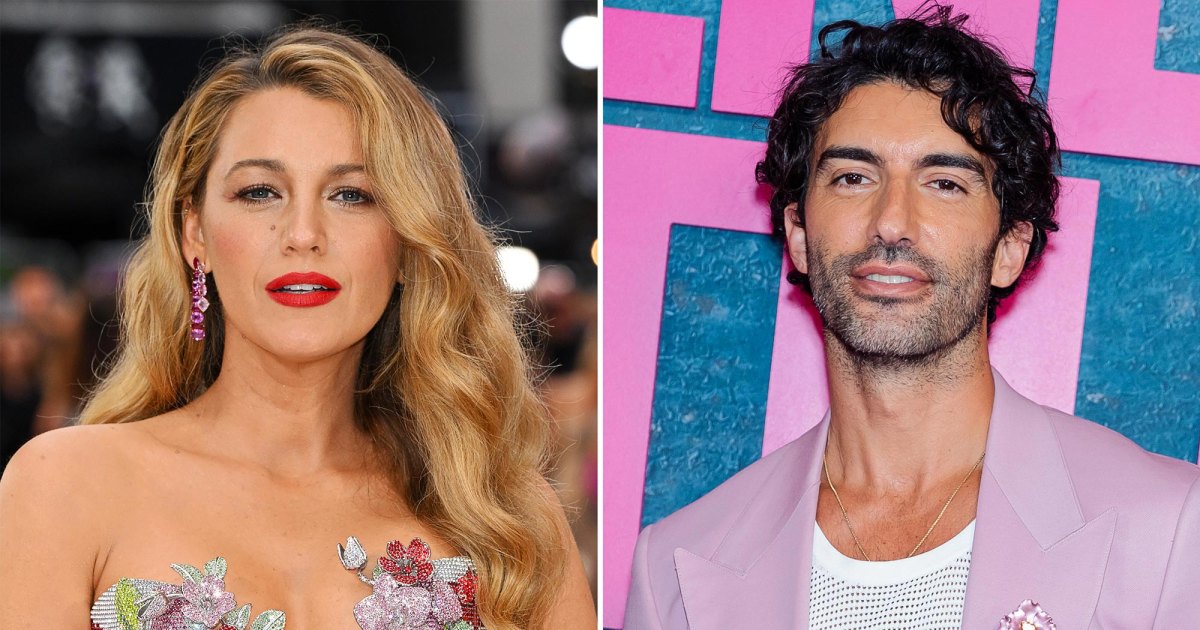
Blake Lively Challenges Gender Bias in Controversial Cover Art
In a bold move that has resonated across social media platforms and beyond, actress Blake Lively has openly challenged gender bias in the entertainment industry, particularly spotlighting a controversial magazine cover featuring herself and actor Justin Baldoni. The cover, which was meant to celebrate their upcoming projects, has ignited a critical conversation about gender representation, objectification, and the often double standards that women face in media portrayals.
The Controversy Unfolds
The magazine cover in question, which showcased Lively and Baldoni, was met with mixed reactions. While many praised it for its artistic vision, Lively took to her social media to express her discomfort with how she was portrayed compared to her male counterpart. In her post, she pointed out the way the cover art emphasized her physical appearance while downplaying Baldoni’s. This led to discussions about the broader implications of such portrayals and how they reinforce outdated stereotypes about women in the entertainment industry.
Lively’s remarks struck a chord with many fans and fellow celebrities, as they highlight a pervasive issue: the tendency of media to objectify women, often reducing them to mere visuals rather than acknowledging their talents and contributions. Lively’s stance has not only sparked dialogues around gender bias but also reignited the conversation on how female celebrities are often depicted in comparison to their male counterparts.
Understanding Gender Representation in Media
Gender representation in media is a complex issue that reflects societal attitudes and biases. For decades, female characters and public figures have been portrayed in a manner that emphasizes their physical appearance over their professional accomplishments or personal narratives. This trend is evident not only in magazine covers but also in film, television, and advertising.
- Objectification: Women are often shown in ways that prioritize their looks, leading to a culture where their value is linked to their physical attractiveness.
- Double Standards: Male actors are typically portrayed as authoritative and capable, while female counterparts are frequently depicted in a manner that highlights their sexuality.
- Limited Roles: Women often find themselves confined to traditional roles that don’t reflect the diverse experiences and capabilities they possess.
Lively’s challenge to the magazine cover is a reminder of the need for a shift in how women are represented in media. By calling out the perceived sexism, she not only advocates for herself but also for countless other women who face similar challenges in their professional lives. Her actions resonate particularly in an industry that has historically leaned towards the objectification of women, making her stance all the more significant.
The Impact of Social Media
Social media has become a powerful platform for discussion and activism. Lively’s comments sparked an array of supportive responses from fans and fellow actors alike. Many took to platforms like Instagram and Twitter to share their own experiences of gender bias in the industry, creating a ripple effect that extended far beyond the initial controversy.
Here are some ways social media has played a role in this conversation:
- Amplifying Voices: Platforms like Twitter and Instagram allow individuals, especially women, to share their stories and challenge the status quo.
- Community Support: Users can rally around a cause, providing solidarity and encouragement to those who speak out against bias.
- Raising Awareness: The viral nature of social media means that important issues can gain visibility quickly, reaching a broader audience and sparking important dialogues.
The Broader Implications of Lively’s Stand
Blake Lively’s challenge to gender bias goes beyond just one magazine cover; it reflects an ongoing struggle for equality and respect in the entertainment industry. By taking a public stance, she sets an example for others, encouraging them to speak out against similar injustices. Her comments have encouraged discussions about how media can evolve to portray women in a more balanced and respectful manner.
Moreover, this incident has also prompted a closer examination of industry practices. Here are a few potential outcomes that could stem from this controversy:
- Increased Awareness: Media outlets may become more vigilant in how they portray women, leading to more thoughtful and equitable representations.
- Encouragement for Other Celebrities: Lively’s boldness may inspire other actresses and public figures to voice their concerns about gender bias.
- Shift in Audience Expectations: As audiences become more aware of these issues, they may demand better representation, influencing content creators and marketers to adapt.
The Role of the Entertainment Industry
The entertainment industry holds significant power in shaping public perceptions and narratives around gender. As such, it is crucial for producers, directors, and marketers to recognize their role in either perpetuating or dismantling gender biases. Initiatives aimed at promoting gender equity, such as hiring practices that prioritize women in leadership roles and ensuring diverse storytelling, can help create a more balanced industry.
Moreover, ongoing education and awareness campaigns can further challenge existing norms. It’s essential for both consumers and creators to engage in conversations about representation and to push for change. By fostering an environment where women are depicted as multifaceted individuals rather than mere objects, the media can contribute to a healthier societal view of gender equity.
Conclusion: A Call for Change
Blake Lively’s challenge against gender bias in the controversial magazine cover is a significant movement towards greater awareness and representation in the entertainment industry. By voicing her concerns, she not only highlights the challenges that women face but also opens the door for broader conversations about equality and respect. As audiences and creators alike reflect on these issues, there is a hopeful path forward—one where women are celebrated for their talents and contributions, not just their appearances.
In the end, the dialogue sparked by Lively’s remarks is a crucial step toward fostering a media landscape that honors and uplifts women in all their complexity. As more individuals join this conversation, it becomes clearer that the call for change is not just a fleeting trend but a necessary shift towards a more equitable future in entertainment.
See more CNET Live