
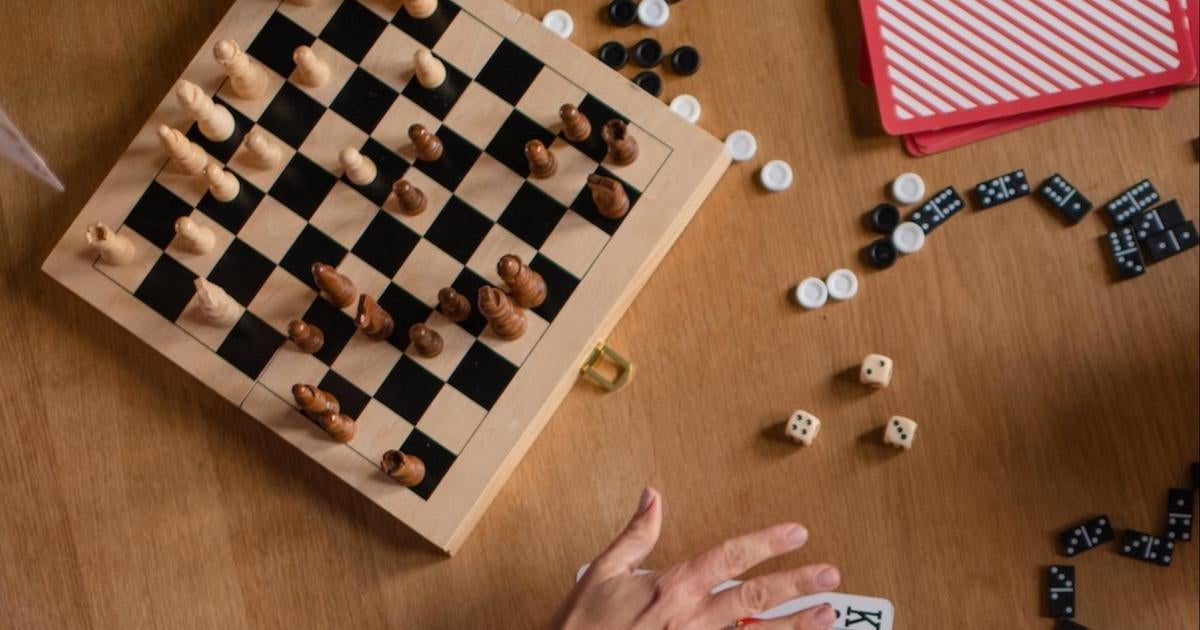
Unpacking the Board Game Renaissance: Understanding the Captivation of a New Generation
The recent resurgence of board games among younger Americans signifies a profound shift in social interactions and entertainment choices. We’re witnessing what many are calling a board game renaissance, where traditional gameplay meets modern sensibilities. This article delves into the multifaceted factors fueling this exciting trend and examines how these games are reshaping the way people connect, play, and socialize.
The Appeal of Board Games in a Digital Age
In an era dominated by screens and digital distractions, the tactile experience of board games offers a refreshing contrast. Many millennials and Gen Z individuals are gravitating towards these analog experiences, seeking deeper social connections and an escape from their fast-paced, tech-saturated lives. Here’s why board games are captivating a new generation:
1. Social Interaction and Connection
One of the most compelling reasons for the board game renaissance is the desire for genuine social interaction. In a world where virtual communication often replaces face-to-face interactions, board games provide a platform for people to gather, engage, and connect.
- Building Relationships: Players often find that board games facilitate conversations and teamwork, fostering bonds that go beyond mere acquaintances.
- Family Time: Many families are rediscovering the joy of spending quality time together, moving away from screens to engage in shared experiences.
- Community Building: Board game cafes and local gaming groups are thriving, creating communities centered around shared interests and friendly competition.
2. Diversity of Game Options
The board game landscape has evolved dramatically, with an explosion of diverse themes, mechanics, and styles. From strategic war games to cooperative adventure games, there’s something for everyone:
- Inclusive Gameplay: Games today often cater to various interests and demographics, ensuring inclusivity and accessibility for all players.
- Innovative Mechanics: Modern games introduce unique mechanics that challenge traditional gameplay, keeping players engaged and excited.
- Thematic Depth: Many contemporary board games explore rich narratives and complex themes, appealing to players who appreciate storytelling.
3. Nostalgia and Tradition
For many young adults, board games evoke a sense of nostalgia. Whether it’s fond memories of family game nights or childhood favorites, these games carry emotional weight:
- Reviving Classics: Timeless games like Monopoly and Scrabble remain popular, often reimagined with new editions or themes.
- New Twists: Many modern games take inspiration from classic mechanics, allowing players to experience familiar gameplay in fresh ways.
How the Pandemic Fueled the Board Game Renaissance
The COVID-19 pandemic acted as a catalyst for the board game renaissance. With social distancing measures in place, many individuals sought alternative forms of entertainment. Here’s how the pandemic played a role:
1. Increased Time at Home
As lockdowns forced people to stay indoors, families and roommates turned to board games as a primary means of entertainment:
- Reconnecting: Many took the opportunity to reconnect with family or roommates through shared gameplay experiences.
- Exploration: With more time to spare, players explored new games and expanded their collections.
2. Online Board Game Platforms
The rise of online board game platforms made it easier for players to connect remotely. These platforms allowed friends and family to enjoy games together, even from a distance:
- Virtual Game Nights: Many people organized virtual game nights, introducing friends and family to new games while maintaining social connections.
- Accessibility: Online platforms provided access to a wider range of games, allowing players to discover and play titles they may not have encountered otherwise.
The Role of Influencers and Content Creators
The board game renaissance has also been fueled by the influence of content creators and social media. Platforms like YouTube and Twitch have become hotbeds for board game enthusiasts:
1. Game Reviews and Tutorials
Content creators offer reviews, tutorials, and playthroughs, making it easier for newcomers to learn about and engage with board games:
- Accessibility: These resources help demystify complex games, making them more approachable for new players.
- Engagement: Creators build communities around shared interests, encouraging discussions and recommendations.
2. The Rise of Board Game Cafes
As board games gain popularity, board game cafes have emerged as vibrant hubs for social interaction:
- Play Before You Buy: These venues allow patrons to try games before purchasing, promoting informed buying decisions.
- Community Events: Many cafes host regular game nights and tournaments, fostering a sense of community among players.
The Impact of Board Games on Mental Health
Beyond entertainment, board games have been shown to have positive effects on mental health. Engaging in social activities can alleviate stress and improve overall well-being:
- Cognitive Benefits: Board games often require strategic thinking, problem-solving, and teamwork, providing mental stimulation.
- Emotional Connection: Shared experiences through gameplay can enhance feelings of belonging and reduce feelings of isolation.
Conclusion: The Future of the Board Game Renaissance
The board game renaissance is more than just a trend; it signifies a cultural shift towards valuing real connections and shared experiences. As younger generations continue to embrace this resurgence, the future of board gaming looks bright. With innovative designs, diverse themes, and a thriving community, board games are set to remain a beloved form of entertainment for years to come.
In a world where the pace of life is ever-increasing, the simple act of gathering around a table to play a game offers a sense of joy and connection that resonates deeply. As we unpack the layers of this board game renaissance, it’s clear that what captivates a new generation goes far beyond just rolling dice or playing cards; it’s about creating memories, building relationships, and enjoying the moment together.
See more CNET Live