
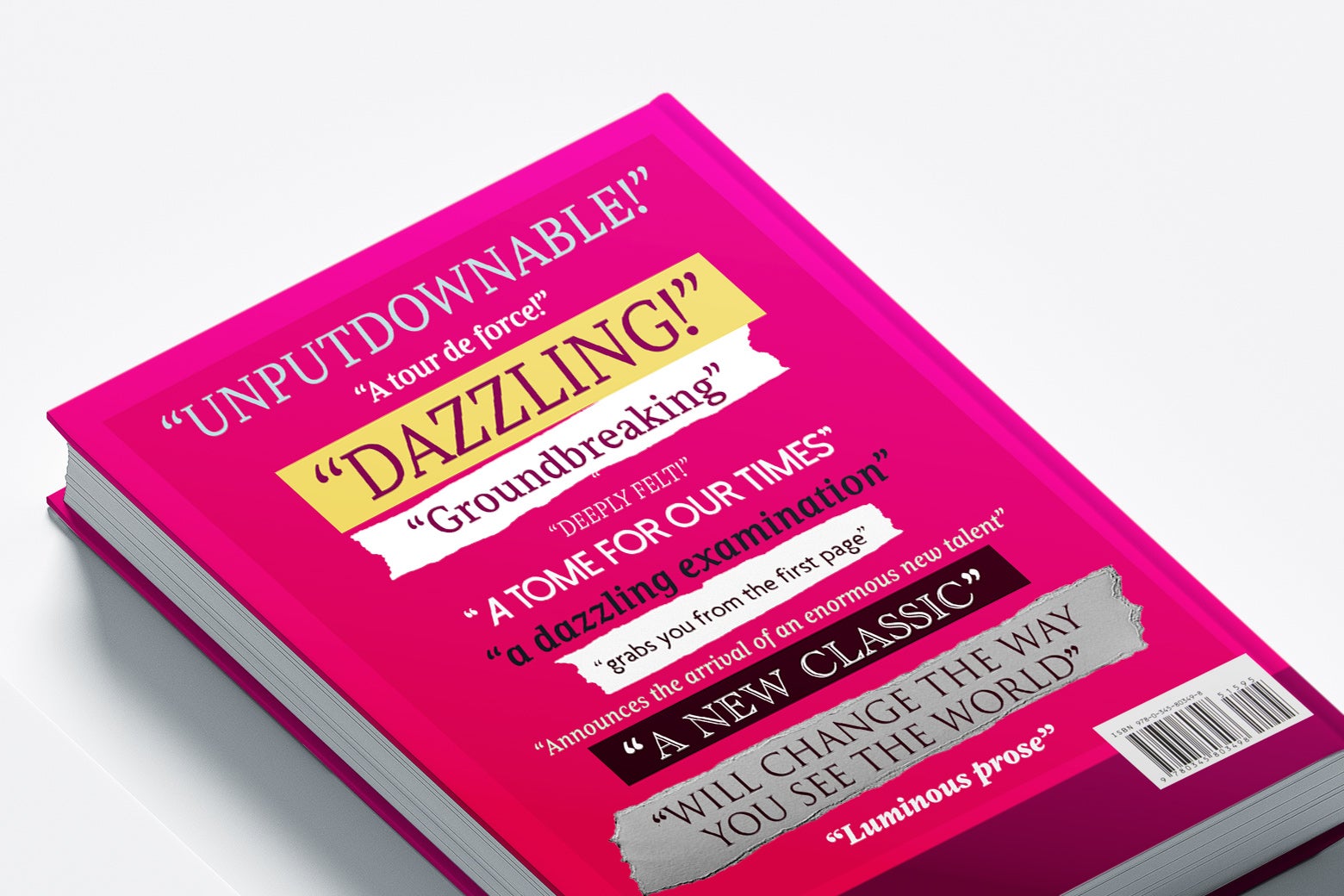
The Controversial World of Book Blurbs: A Clash of Perspectives
In the realm of literature, book blurbs occupy a unique space. They sit at the intersection of creativity and commerce, serving as a tantalizing glimpse into the pages of a book while simultaneously acting as a powerful marketing tool. However, the world of book blurbs is not without its controversies. Authors often express dissatisfaction with the way their work is summarized or marketed, while publishers defend the strategic importance of these promotional snippets. This article will explore the divide between authors and publishers regarding book blurbs, examining the implications for readers, writers, and the publishing industry as a whole.
The Purpose of Book Blurbs
Book blurbs serve several key purposes:
- Attracting Attention: A well-crafted blurb can draw potential readers in, making them curious about the story.
- Setting Expectations: Blurbs help set the tone and genre of the book, guiding readers in their purchasing decisions.
- Marketing Strategy: Publishers use blurbs as part of a broader marketing campaign, aiming to generate buzz and interest around a new release.
However, while these purposes may seem straightforward, the execution often leads to disagreement between authors and publishers. Understanding this divide requires looking into the perspectives of both parties.
Authors’ Perspectives on Book Blurbs
For many authors, the creation of a book blurb can feel like a double-edged sword. On one hand, they appreciate the promotional aspects; on the other, they often feel that their work is reduced to a mere sales pitch. Here are some common concerns:
- Misrepresentation: Authors frequently worry that the blurb does not accurately reflect the nuances of their story, leading to reader disappointment.
- Loss of Control: Once a manuscript is handed over to a publisher, authors often feel they lose authority over how their work is presented, including the blurb.
- Emotional Connection: Writers invest their emotions and experiences into their narratives, and a poorly crafted blurb can undermine that connection.
These concerns are compounded by the pressure authors face to perform in a competitive market. A blurb that fails to captivate can mean the difference between a successful launch and a book that fades into obscurity.
Publishers’ Justifications for Book Blurbs
From the perspective of publishers, book blurbs are a vital component of marketing strategy. They argue that the effectiveness of a blurb can significantly influence sales. Here are some reasons publishers advocate for their approach to blurbs:
- Market Research: Publishers often rely on data to craft blurbs that resonate with target audiences, using language and phrases that have proven successful in the past.
- Branding: A consistent tone in blurbs can help establish a publisher’s brand, making their books easily recognizable to readers.
- Sales Metrics: Ultimately, the goal is to maximize sales, and blurbs are crafted with this objective in mind.
While publishers’ intentions may be rooted in commercial success, their approach can sometimes overlook the artistic integrity of the work and the author’s original vision.
Reader Perception and Expectations
At the end of the day, readers are the ones who engage with both the blurbs and the books. Their perceptions can be heavily influenced by the quality and content of a blurb. Here are some ways in which book blurbs shape reader expectations:
- First Impressions: A captivating blurb can create an immediate interest, prompting readers to pick up the book or add it to their reading list.
- Genre Clarity: Blurbs help clarify the genre and themes of the book, guiding readers toward their preferences.
- Expectation Management: An effective blurb sets the stage for what readers can expect, helping to manage potential disappointment.
However, when a blurb misrepresents the book’s content or tone, it can lead to a significant disconnect between reader expectations and the actual reading experience. This misalignment can result in negative reviews and damage an author’s reputation.
Despite the tensions surrounding book blurbs, there are pathways to bridge the divide between authors and publishers. Here are some strategies that can help:
- Collaboration: Authors and publishers should work together during the blurb creation process. Authors can provide key insights into their work that might not be immediately apparent, while publishers can guide the marketing approach.
- Feedback Loops: Establishing a system where authors can give feedback on proposed blurbs can lead to a better final product that satisfies both parties.
- Transparency: Open communication about the goals and expectations surrounding the blurb can foster mutual understanding and respect.
When both authors and publishers engage in a collaborative process, the end result is more likely to resonate with readers and accurately reflect the work’s essence.
The Future of Book Blurbs
As the publishing landscape continues to evolve, so too will the role of book blurbs. With the rise of digital marketing, social media, and self-publishing, authors now have greater control over how their work is presented. This shift could lead to more personalized and authentic blurbs that genuinely resonate with readers.
Additionally, as readers become more discerning and seek deeper connections with the books they choose, the demand for authentic and well-crafted blurbs will likely increase. Authors who can articulate their vision clearly, combined with publishers’ marketing expertise, may find a sweet spot that benefits everyone involved.
Conclusion
In the controversial world of book blurbs, the divide between authors and publishers is palpable. While both parties have valid concerns and perspectives, the ultimate goal should focus on creating a compelling and honest representation of the work. By fostering collaboration and open communication, the literary community can navigate this divide and enhance the reading experience for all. As we look to the future, embracing innovation and authenticity in book blurbs may just be the key to bridging the gap and celebrating the art of storytelling.
See more CNET Live