
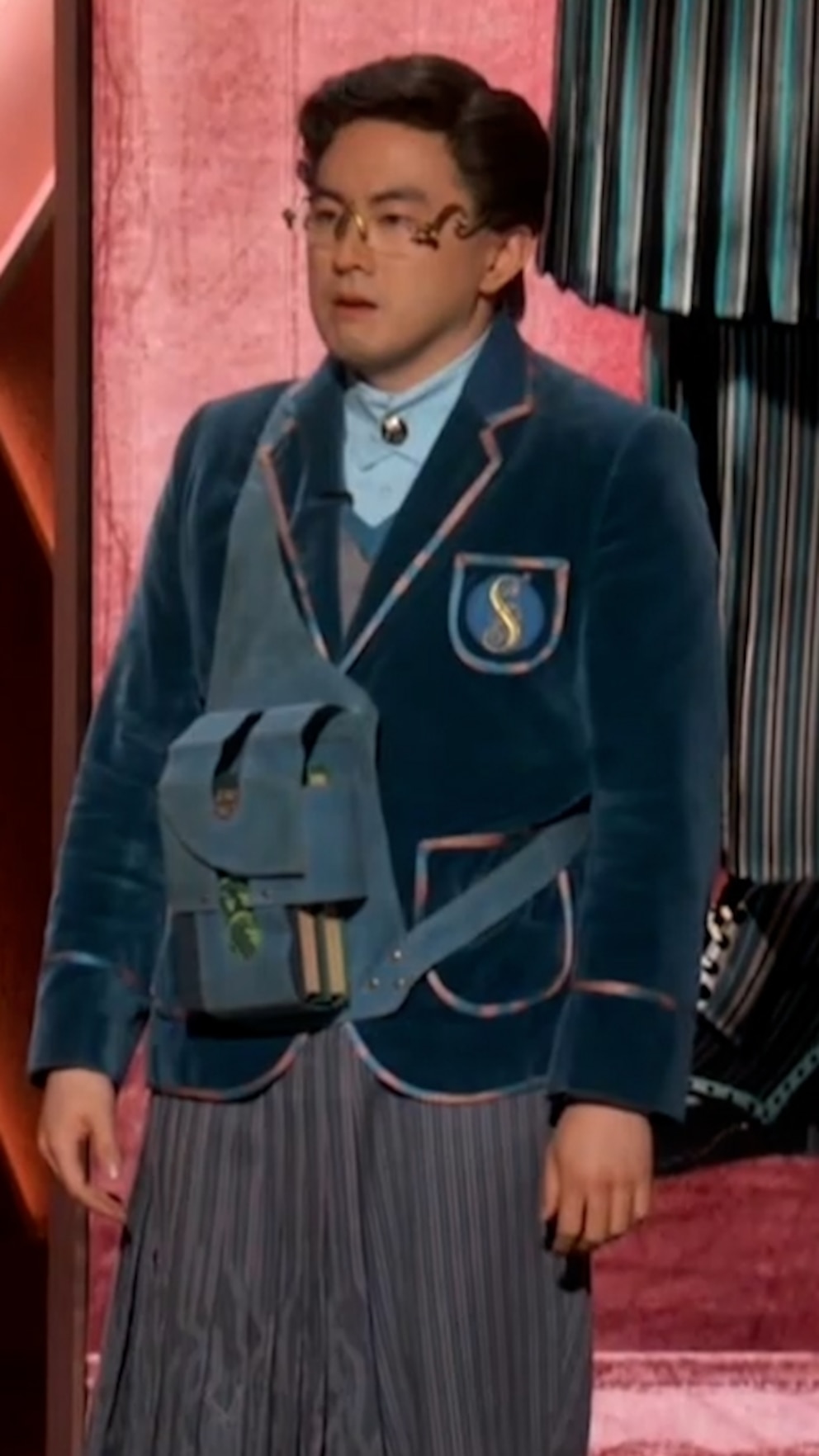
Behind the Scenes: Bowen Yang’s Unique Perspective on Presenting the Oscars
The Oscars, an event that honors cinematic excellence, is a phenomenal spectacle filled with glitz, glamour, and a palpable sense of anticipation. Behind the scenes, the pressure mounts as stars prepare to take the stage. One of the most exciting roles at the Oscars is that of the presenter, a position that Bowen Yang, the acclaimed comedian and actor, has occupied with unique flair. In this article, we delve into Yang’s perspective on presenting the Oscar for Best Costume Design, an experience that encapsulates both the thrill of recognition and the weight of responsibility.
The Excitement of the Oscars
Bowen Yang has carved a niche for himself in the entertainment industry, not just as a performer on shows like “Saturday Night Live,” but as a voice for the Asian-American community and an advocate for diversity in Hollywood. When he steps onto the stage to present an Oscar, it’s more than just a job; it’s a momentous occasion that brings together years of hard work, talent, and a commitment to representation.
The excitement of the Oscars is palpable, not only for the nominees and winners but also for the presenters. Yang notes that the energy in the room is electric, filled with the hopes and dreams of countless artists. “You can feel the weight of history,” he says. “It’s not just about the awards; it’s about celebrating the stories that resonate with audiences worldwide.”
Facing the Pressure
While presenting an Oscar is undoubtedly prestigious, it comes with its own set of challenges. The pressure to deliver a memorable performance can be intense. Yang describes the moment leading up to the announcement as a mix of exhilaration and anxiety. “You want to do justice to the nominees,” he explains. “These are artists who have poured their hearts into their work, and you want to celebrate that.”
Yang emphasizes the importance of preparation. Knowing the nominees’ backgrounds and the significance of their contributions to the film industry is crucial. “It’s not just reading names off a card,” he adds. “It’s about connecting with the audience and honoring the artistry that goes into costume design, which often goes unnoticed.” This perspective showcases Yang’s deep appreciation for the craft, highlighting how costume design plays a vital role in storytelling.
The Role of Costume Design in Film
Costume design is an art form that contributes significantly to the overall aesthetic and narrative of a film. Well-crafted costumes help to develop characters, set the tone, and transport audiences to different times and places. Yang points out that the Best Costume Design category often features works that are visually stunning and intricately designed, reflecting the hard work and creativity of the artists involved.
- Immersive Storytelling: Costumes help in establishing a character’s personality and background, making the film’s narrative richer.
- Historical Accuracy: For period films, costumes are essential in creating an authentic atmosphere, allowing viewers to immerse themselves in the time period.
- Visual Cohesion: Costumes contribute to the film’s overall visual style, ensuring that every element works harmoniously to create a captivating experience.
For Yang, presenting the Best Costume Design award is not merely about announcing the winner; it’s about celebrating the artistry that goes into creating the costumes that enhance the storytelling process. He recognizes that these artists are often unsung heroes, working tirelessly behind the scenes, and feels a deep responsibility to honor their contributions.
A Personal Connection
Yang’s unique perspective is also shaped by his own background and experiences in the industry. As an Asian-American performer, he understands the significance of representation and the importance of diverse voices in Hollywood. “When I present an award, I think about all the people who look like me and how far we’ve come,” he reflects. This personal connection motivates him to bring authenticity and passion to his role as a presenter.
Moreover, Yang’s humor and charisma shine through during the ceremonies. His ability to connect with the audience, both in the theater and at home, has made him a beloved figure in pop culture. “Comedy is a bridge,” he says. “It can make serious moments feel a little lighter, while still honoring the importance of the occasion.” This balance of humor and reverence is a hallmark of Yang’s presenting style, making his segments memorable and engaging.
Preparing for the Big Night
Preparation for the Oscars begins long before the event itself. Yang emphasizes the importance of rehearsals, not just for timing and delivery but also for building confidence. “You want to feel comfortable on stage,” he explains. “The more you practice, the more you can focus on enjoying the moment.” This preparation includes familiarizing himself with the nominees, understanding their works, and even engaging with them when possible.
Additionally, Yang mentions the camaraderie among presenters and nominees. “There’s a sense of community,” he says. “We’re all in this together, celebrating each other’s achievements.” This sentiment reflects the collaborative spirit of the film industry, where artists support one another in their creative endeavors.
Conclusion: A Celebration of Artistry
As Bowen Yang prepares to take the stage and present the Oscar for Best Costume Design, he embodies the excitement, pressure, and honor that come with such a prestigious role. His unique perspective, shaped by his experiences and commitment to representation, allows him to connect with the audience on a deeper level. He reminds us that the Oscars are not just about awards; they are a celebration of the artistry and dedication that goes into filmmaking.
In the end, presenting the Oscars is about recognizing the hard work of countless individuals who contribute to the magic of cinema. Yang’s role as a presenter highlights the importance of honoring all aspects of filmmaking, including the often-overlooked art of costume design. As the spotlight shines on the nominees, Yang stands as a bridge between the audience and the artists, celebrating their achievements and the stories they tell.
See more CNET Live