
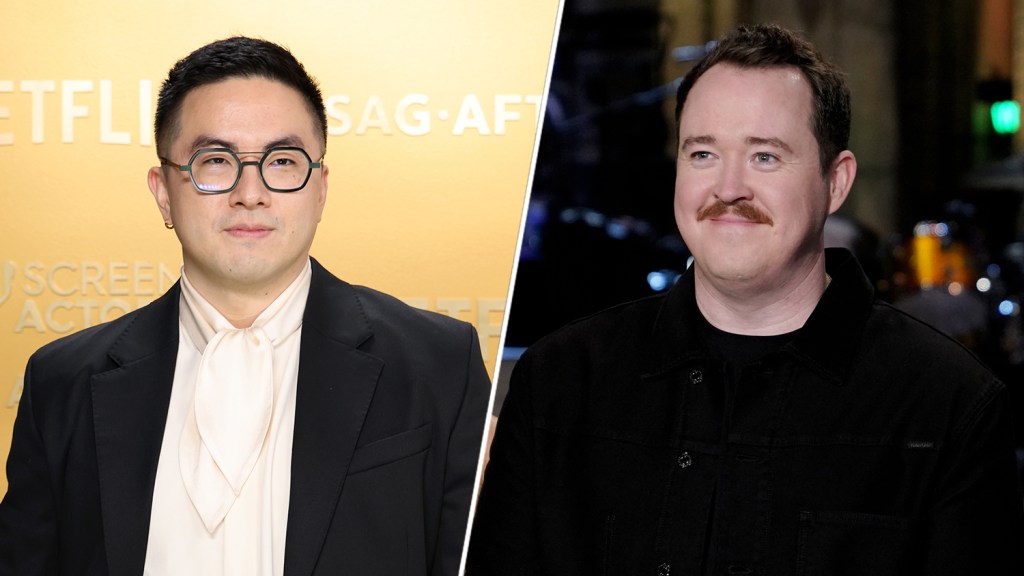
Bowen Yang Responds to Accusations of Sabotage in SNL Controversy
In the ever-evolving world of entertainment, controversies can erupt unexpectedly, often leading to heated discussions and misunderstandings. Recently, comedian and actor Bowen Yang found himself embroiled in a controversy regarding accusations of sabotage related to the firing of former Saturday Night Live (SNL) cast member Shane Gillis. In a recent statement, Yang firmly addressed these claims, asserting his non-involvement in the decision-making process that led to Gillis’s departure from the iconic sketch comedy show.
The Background of the Controversy
The saga began when Shane Gillis, who was announced as a new cast member for SNL in September 2019, was let go just days after his hiring. The decision came after resurfaced clips revealed Gillis making racist and derogatory comments on a podcast. This revelation ignited a firestorm of backlash, leading to widespread discussions about race, comedy, and accountability in the entertainment industry.
Amidst this turmoil, some speculated about the motivations behind Gillis’s firing, with allegations suggesting that Bowen Yang played a role in orchestrating the decision. These claims implied that Yang, as one of the first Asian American cast members of SNL, may have felt personally affected by Gillis’s previous comments, thus influencing the show’s executives. However, Yang has publicly denied these accusations, emphasizing that he had no part in the firing process.
Bowen Yang’s Response
In a heartfelt and direct statement, Bowen Yang addressed the allegations of sabotage head-on. He expressed his dismay at being implicated in a decision that he did not make, stating, “I had no role in Shane Gillis’s firing. I stand by the belief that comedy should challenge and uplift rather than demean and belittle.” Yang’s response reflects a commitment to fostering an inclusive environment in comedy, where diverse voices can thrive without fear of discrimination.
Yang’s statement also highlighted the importance of accountability in comedy. He pointed out that while humor can be a powerful tool for social commentary, it can also perpetuate harmful stereotypes and narratives. This distinction is crucial in a time when many are pushing for greater representation and sensitivity in media. Yang’s refusal to take responsibility for actions he did not commit underscores the need for clarity in discussions about race and comedy.
The Broader Implications of the Controversy
The controversy surrounding Shane Gillis’s firing and Bowen Yang’s subsequent response opens up a larger conversation about the responsibilities of comedians and the impact of their words. The entertainment industry, particularly in the realm of comedy, has seen increasing scrutiny regarding the content produced and the messages conveyed. Here are some key aspects to consider:
- Accountability in Comedy: Comedians are often seen as cultural commentators, and their words carry weight. The rise of social media has amplified the reach of their messages, making accountability more critical than ever.
- Diversity and Representation: Bowen Yang’s prominence as an Asian American comedian brings to light the need for diverse voices in comedy. His journey reflects the ongoing struggle for representation in an industry that has historically marginalized certain groups.
- The Role of Audience Reaction: The audience’s reaction to controversial statements can influence the fate of comedians. Public backlash can lead to swift consequences, as seen in Gillis’s case, raising questions about the balance between artistic freedom and social responsibility.
Analyzing the Dynamics of SNL’s Decision-Making
Bowen Yang’s involvement (or lack thereof) in Gillis’s firing also prompts a closer examination of SNL’s internal decision-making processes. The show’s history is marked by controversies, from cast member departures to sketch content that has sparked outrage. Here are a few points to consider regarding SNL’s operational dynamics:
- Executive Decisions: SNL is run by a team of executives and producers who make hiring and firing decisions based on various factors, including public perception and audience feedback. Yang, as a cast member, does not have the authority to dictate these decisions.
- Team Culture: The culture within SNL plays a significant role in shaping the show’s direction. A collaborative environment that values diverse perspectives can lead to more thoughtful comedic content.
- Impact on Future Cast Members: The scrutiny faced by Gillis may affect how future cast members approach their comedic material. The precedent set by this incident emphasizes the need for careful consideration of content, especially concerning sensitive topics.
Looking Ahead: The Future of Comedy
As the conversation surrounding Bowen Yang’s response to the accusations of sabotage continues, it is essential to reflect on the future of comedy. The landscape is shifting, with audiences increasingly demanding authenticity and thoughtfulness from their comedians. Here are some potential trends to watch:
- Increased Sensitivity: Comedians may adopt a more nuanced approach to humor, considering the impact their words can have on different communities.
- Empowerment of Diverse Voices: The rise of diverse comedians like Yang is likely to inspire more individuals from underrepresented backgrounds to enter the comedy scene, enriching the art form.
- Open Dialogue: The ongoing discussions about race, identity, and comedy can lead to more open dialogues among comedians and their audiences, fostering understanding and growth.
Conclusion
In the world of comedy, where boundaries are often pushed and challenged, Bowen Yang’s firm denial of sabotage in the Shane Gillis firing controversy serves as a reminder of the complexities involved. His statement not only defends his integrity but also calls for a broader understanding of accountability and representation in comedy. As audiences continue to engage with these discussions, the hope is that the future of comedy will be shaped by inclusivity, sensitivity, and a commitment to uplifting all voices.
See more CNET Live