
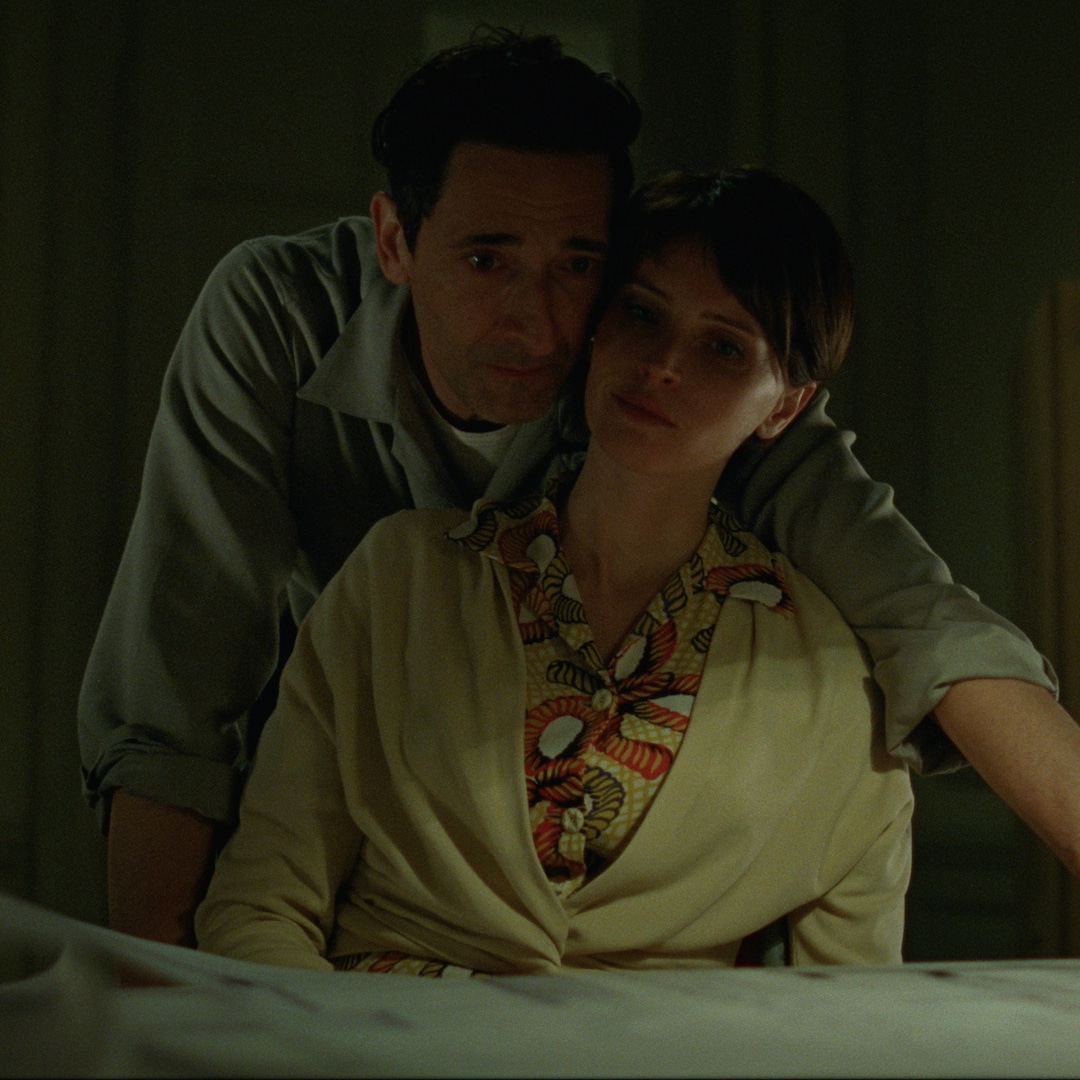
Brady Corbet Addresses Controversy Over AI Accents in Film
Renowned director Brady Corbet has recently found himself at the center of a heated debate regarding the use of AI-generated accents in his latest film project. As technology continues to permeate every aspect of our lives, the question arises: can artificial intelligence effectively replicate the nuances of human speech, especially when it comes to cultural and social authenticity in cinema? Corbet’s comments on this issue have sparked a larger conversation about the implications of technology in storytelling and how audiences perceive authenticity in film.
The Controversy Unfolds
Corbet’s film, which has yet to be released, features characters portrayed with AI-generated accents rather than traditional voice work. This decision has drawn criticism from various quarters, including actors, linguists, and film enthusiasts. Critics argue that such technology risks erasing the rich, textured layers of human experience that are typically conveyed through unique accents and dialects. They contend that while AI can mimic sounds, it cannot replicate the cultural significance and emotional depth that human accents carry.
In a recent interview, Corbet addressed these concerns head-on. “I understand the apprehension,” he said. “But it’s essential to consider the broader narrative we’re trying to create. This isn’t about replacing human talent; it’s about pushing the boundaries of creativity.” His remarks suggest a belief that AI can be a tool for innovation rather than a substitute for genuine artistry.
Exploring the Implications for Authenticity
The controversy surrounding AI accents raises fundamental questions about authenticity in cinema. What does it mean to portray a character authentically? Is it merely about the accuracy of their accent, or does it extend to how their cultural background informs their identity? While AI can generate a convincing accent, it lacks the personal history and emotional resonance that come with human storytelling.
- Cultural Sensitivity: Accents are deeply intertwined with culture. AI-generated accents may inadvertently perpetuate stereotypes or misrepresent cultures.
- Emotional Depth: Human actors bring emotion and life experiences to their roles that AI cannot replicate.
- Artistic Integrity: Many argue that relying on AI compromises the artistic integrity of film and diminishes the unique contributions of voice actors.
Corbet’s philosophy suggests a more nuanced approach. He emphasizes that AI should not be seen as a replacement for human talent but rather as a tool that can complement the creative process. “We’re in an era where the lines between technology and artistry are blurred. It’s our responsibility to navigate this space thoughtfully,” he explained. His perspective encourages a dialogue about how filmmakers can harness AI’s capabilities while maintaining a commitment to authenticity and respect for cultural nuances.
Technology’s Role in Storytelling
As the film industry evolves, so does the role of technology in storytelling. AI has the potential to enhance various aspects of filmmaking, from scriptwriting to post-production. For instance, AI algorithms can analyze audience preferences and trends, ultimately helping creators craft more engaging narratives. However, this raises another critical question: at what point does technology enhance storytelling, and when does it begin to overshadow the human element?
Corbet believes that the key lies in balance. “Technology can elevate our stories, but we must not lose sight of the human experience,” he argues. By integrating AI in a thoughtful and intentional manner, filmmakers can explore new creative avenues without sacrificing the authenticity that audiences crave.
Audience Perception and Acceptance
The success of AI-generated accents ultimately hinges on audience perception. How will viewers react to characters whose voices are not human? Some audience members may appreciate the innovation, while others might find it disconcerting. Corbet acknowledges this uncertainty, stating, “We’re venturing into uncharted territory, and it’s essential to be receptive to feedback. If audiences feel disconnected, we need to listen and adapt.”
This willingness to engage with audience responses reflects a broader trend in the film industry. As creators experiment with AI and other technologies, they must remain attuned to the cultural and emotional context of their work. Understanding audience sentiment will be crucial in determining the future of AI in film.
The Future of AI in Film
Looking ahead, the integration of AI in filmmaking is likely to increase. As technology continues to advance, filmmakers will have access to even more sophisticated tools that can assist in creating compelling narratives. However, it is essential that the industry establishes ethical guidelines and standards for using AI in a way that respects the rich tapestry of human culture.
Corbet’s project serves as a case study in this evolving landscape. By addressing the controversy surrounding AI accents directly, he opens the door for meaningful discussions about the future of storytelling. His insights remind us that while technology can enhance our creative endeavors, it must be used with caution and respect for the narratives we wish to tell.
Conclusion
In summary, Brady Corbet’s decision to incorporate AI-generated accents in his latest film has ignited a necessary conversation about authenticity in cinema. While technology holds vast potential for innovation, filmmakers must remain vigilant in preserving the human experience that underpins storytelling. By thoughtfully navigating the intersection of technology and artistry, creators can explore new horizons while honoring the cultural significance of accents and the emotional depth of their characters.
As audiences continue to engage with this evolving medium, their feedback will shape the future of how technology is integrated into film. Ultimately, the goal should be to enrich storytelling, ensuring that every voice—human or artificial—contributes meaningfully to the narrative tapestry of cinema.
See more CNET Live