
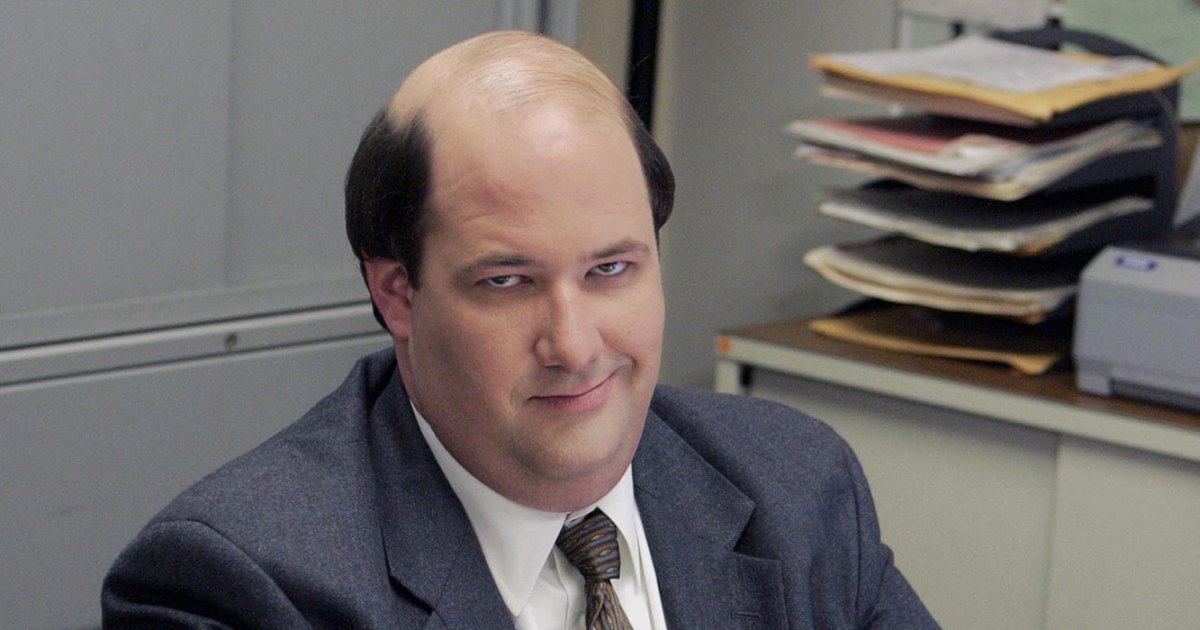
Brian Baumgartner Advocates for a Clearer Vision in Office Spinoff Projects
Brian Baumgartner, renowned for his portrayal of Kevin Malone in the beloved television series “The Office,” has recently stepped into the spotlight with compelling insights regarding the future of spinoff projects associated with the iconic show. His advocacy for a clearer vision in these ventures not only resonates with fans but also highlights the intricate challenges and opportunities that come with expanding a franchise that holds a special place in the hearts of many.
The Legacy of “The Office”
“The Office,” which aired from 2005 to 2013, has left an indelible mark on popular culture. Its unique blend of humor, relatable characters, and innovative mockumentary style has garnered a dedicated fanbase, ensuring its relevance long after the series concluded. The show’s influence is evident in its continued streaming popularity and the growing interest in potential spinoff series. However, as Baumgartner points out, the challenge lies in how to maintain the essence of “The Office” while exploring new narratives.
The Case for a Clearer Vision
Baumgartner’s call for a more coherent approach to spinoff projects stems from his understanding of what made “The Office” successful. He emphasizes that any new series should not only pay homage to the original but also carve out its own identity. “It’s crucial to have a clear vision,” he states, “to ensure that the essence of what made ‘The Office’ great is not lost in translation.” This perspective is particularly pertinent given the mixed results of previous spinoffs and revivals in the entertainment industry.
Challenges of Spinoff Series
Creating a successful spinoff is a nuanced endeavor. Here are some challenges that producers often face:
- Character Development: Spinoffs need to focus on character arcs that can stand independently while retaining connections to the original series.
- Audience Expectations: Fans come with high expectations, often longing for the same humor and charm that captivated them in the original show.
- Creative Direction: Without a clear vision, spinoffs can become disjointed or fail to resonate with audiences, leading to poor reception.
- Balancing Nostalgia and Innovation: Striking the right balance between nostalgic elements and fresh storylines can be tricky.
Baumgartner’s insights shed light on the importance of addressing these challenges head-on. He believes that a detailed roadmap for the thematic direction of a spinoff is essential, ensuring that new stories can thrive without losing the charm that made the original series a hit.
Opportunities for Innovation
While there are undeniable challenges, Baumgartner also sees vast opportunities for innovation in potential spinoff projects. The evolving landscape of television provides fertile ground for creativity. Here are some opportunities he identifies:
- Expanded Universe: “The Office” has a rich cast of characters, and a spinoff could explore the lives of minor characters who had significant moments but didn’t get enough screen time.
- New Settings: A spinoff set in a different workplace could offer fresh perspectives while retaining the signature humor fans adore.
- Contemporary Issues: Integrating current social and workplace dynamics can make the content more relatable and relevant to today’s audience.
- Character Growth: Focusing on characters’ growth after the events of “The Office” can provide compelling narratives that resonate with viewers.
Successful Examples of Spinoffs
Several spinoffs in television history have successfully carved their own identities while maintaining ties to the original series. Here are a few noteworthy examples:
- “Frasier”: This spinoff of “Cheers” not only retained the humor of its predecessor but also evolved into a celebrated series in its own right, focusing on the life of Dr. Frasier Crane.
- “Better Call Saul”: A prequel to “Breaking Bad,” this series successfully developed its own narrative while expanding the “Breaking Bad” universe.
- “The Mandalorian”: As a spinoff of the “Star Wars” franchise, it introduced new characters and storylines, captivating both old and new fans.
These examples illustrate that with a clear vision and careful planning, spinoffs can thrive and contribute meaningfully to their parent franchises.
Baumgartner’s Vision for Future Projects
Brian Baumgartner envisions a future where spinoffs not only honor the legacy of “The Office” but also explore diverse narratives that reflect today’s society. He advocates for collaborative efforts among writers, directors, and original cast members to ensure that any new series captures the heart of the original while embracing innovative storytelling techniques.
“We owe it to the fans to approach these projects thoughtfully,” he asserts. “They deserve stories that resonate with them and characters they can connect with.” This sentiment underlines the importance of fan engagement in the creative process, ensuring that new projects resonate with the audience that has supported “The Office” over the years.
The Future of “The Office” Franchise
As the entertainment industry trends toward revivals and spinoffs, the future of “The Office” franchise remains a hot topic. With Baumgartner’s advocacy for a clearer vision, there is hope that any forthcoming projects will be approached with the care and creativity they deserve. Fans are eagerly awaiting news of any new endeavors, hopeful that the magic of “The Office” will live on in a way that honors its legacy while paving the way for new stories.
Conclusion
Brian Baumgartner’s insights into the necessity for a clearer vision in “The Office” spinoff projects highlight the balance of nostalgia and innovation that is crucial for success. By addressing the challenges and seizing the opportunities inherent in expanding such a beloved franchise, creators can craft stories that resonate with both new and long-time fans. As the entertainment landscape evolves, the call for thoughtful and coherent spinoff narratives has never been more relevant, promising a bright future for the legacy of “The Office.”
See more CNET Live