
British Dramatists at a Crossroads: The Perils of Self-Censorship in the Face of Funding Challenges
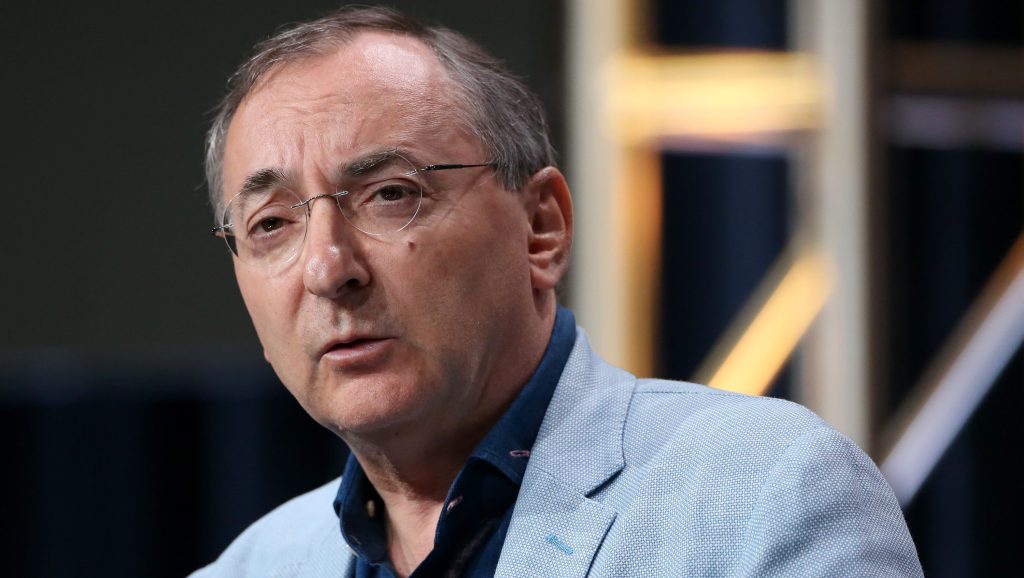
Peter Kosminsky, the celebrated director known for his work on ‘Wolf Hall’, recently raised an alarm regarding the state of British theater. He highlighted a troubling trend among dramatists: self-censorship, primarily driven by financial constraints. This phenomenon presents a complex intersection of funding challenges and artistic freedom, prompting a deeper examination of its implications for the future of theater in the UK.
The Financial Landscape of British Theater
Theater in the UK has long been a vibrant arena for creative expression, often pushing societal boundaries and exploring contentious issues. However, the financial landscape has dramatically shifted in recent years. With government funding cuts, dwindling box office sales, and the increasing costs of production, many theater companies find themselves operating under severe budgetary constraints.
Funding for the arts has faced significant scrutiny, leading to a reliance on sponsorships and private investments. While this can provide a financial lifeline, it also introduces pressures that can stifle creative expression. Dramatists may feel compelled to tailor their work to align with the interests of funders, which can lead to a dilution of their artistic vision.
The Impact of Self-Censorship
Self-censorship among British dramatists is a growing concern, as artists grapple with how to express their ideas authentically while navigating funding realities. The fear of losing financial support can lead playwrights and directors to shy away from controversial topics, thus compromising the integrity of their work.
- Fear of Repercussions: The threat of backlash from funders or the public can instigate a culture of caution. Dramatists might avoid themes related to politics, race, or sexuality, fearing they could alienate potential sponsors.
- Market-Driven Content: The desire to create commercially viable productions can overshadow the need for innovative and thought-provoking storytelling. This trend risks reducing theater to mere entertainment rather than a platform for social commentary.
- Loss of Diversity: With a focus on safer, more palatable narratives, the rich tapestry of voices and experiences that theater traditionally showcases may diminish, leading to a homogenization of artistic output.
Artistic Freedom vs. Financial Viability
The delicate balance between artistic freedom and financial viability is at the heart of this issue. While it is crucial for theater productions to be financially sustainable, it is equally important for artists to retain their creative independence. The relationship between funding and art should ideally nurture innovation rather than impose restrictions.
British dramatists are at a crossroads, facing a dilemma where the very essence of their creativity is being compromised by the necessity of financial backing. This raises pertinent questions for the future of theater:
- How can dramatists secure funding without compromising their artistic integrity?
- What role do audiences play in supporting bold and challenging narratives?
- Are there alternative funding models that can alleviate these pressures?
Case Studies of Innovative Funding Models
Despite the challenges, there are inspiring examples of innovative funding models that have emerged in response to these issues. Some theater companies and artists are exploring alternative avenues to support their work, which may serve as a blueprint for others facing similar dilemmas.
- Crowdfunding: Platforms like Kickstarter and Indiegogo have enabled artists to raise funds directly from their audience, allowing them to maintain creative control over their projects. This model not only empowers artists but also fosters a community of supporters invested in the work.
- Collaborative Productions: Partnerships between theater companies, educational institutions, and community organizations can create shared funding opportunities. Collaborative efforts can lead to diverse programming that resonates with various audiences.
- Philanthropic Support: Engaging with philanthropic organizations that support the arts can provide vital resources without compromising artistic vision. This funding can be crucial for projects that tackle challenging or controversial subjects.
Promoting a Culture of Fearless Expression
To combat the trend of self-censorship, it is essential to foster a culture of fearless expression within the theater community. This requires a collective effort from artists, audiences, and funding bodies alike.
Encouraging Open Dialogue
Creating spaces for open dialogue about the challenges faced by dramatists can help to destigmatize the fear of financial repercussions. Workshops, panel discussions, and forums can provide platforms for artists to share their experiences and explore strategies to navigate funding challenges without sacrificing their artistic integrity.
Empowering Audiences
Audience engagement plays a crucial role in supporting bold narratives. Theatergoers can advocate for diverse programming by attending performances that challenge the status quo and by providing feedback to companies about their programming choices. A supportive audience can embolden artists to take risks in their work.
Advocating for Policy Change
Advocating for increased public funding for the arts can also help mitigate the pressures faced by dramatists. Engaging with policymakers to highlight the importance of theater in society can lead to more substantial investment in the arts, ensuring that artists can create without fear of financial repercussions.
Conclusion: A Call to Action
The future of British theater hangs in the balance, caught between the perils of self-censorship and the pressing need for financial viability. As Peter Kosminsky warns, this crossroad presents significant challenges, but it also offers an opportunity for reflection and action. By embracing innovative funding models, promoting a culture of fearless expression, and advocating for policy change, the theater community can work towards a future where artistic freedom thrives alongside financial sustainability.
Ultimately, the strength of British theater lies in its capacity to provoke thought, inspire change, and reflect the complexities of contemporary society. It is imperative that the voices of dramatists are not silenced by financial constraints, but rather, celebrated for their ability to challenge, enlighten, and entertain.
See more CNET Live