
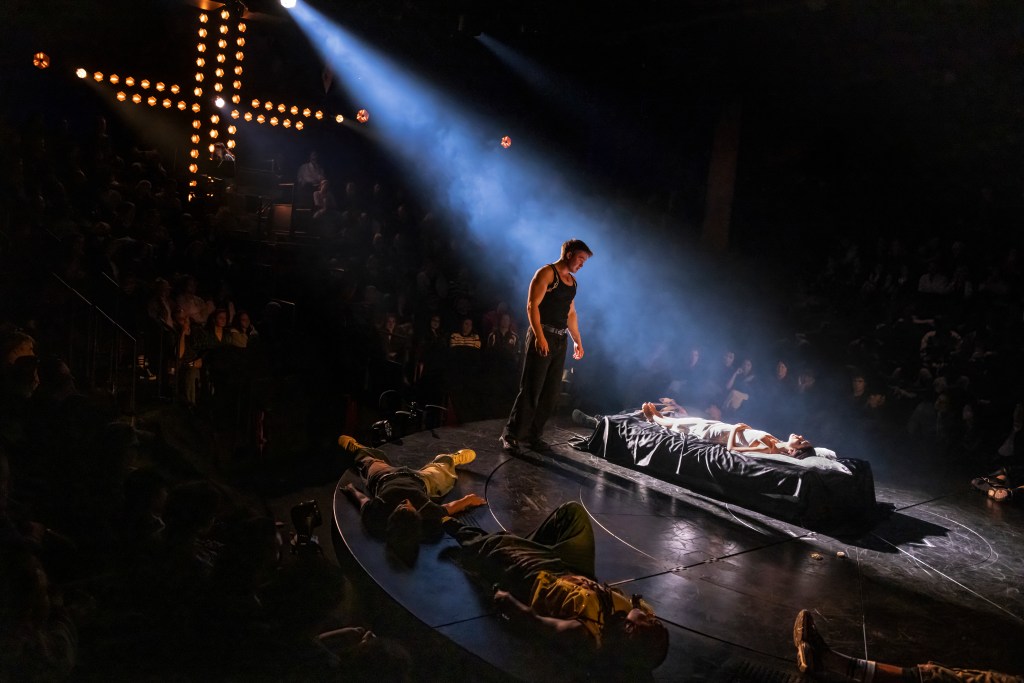
Broadway’s Box Office Dilemma: Understanding the Sell-Out Successes
Broadway’s box office dilemma presents a fascinating paradox in the landscape of American theater. While some productions grapple with fluctuating ticket sales, others, like ‘All In’, ‘Romeo + Juliet’, ‘The Outsiders’, and the perennial favorite ‘Wicked’, continue to achieve sell-out success. This article explores the contrasting trends shaping the theater scene, analyzing the factors contributing to the phenomena of full houses amidst challenges, and what this means for the future of Broadway.
Understanding Broadway’s Box Office Dynamics
Broadway has long been synonymous with theatrical excellence and cultural significance. However, the box office figures tell a complex story. The pandemic’s impact on the arts has left an indelible mark on attendance and revenue streams, leading to fluctuating box office figures that some productions face. Yet, amidst these challenges, certain shows have managed to draw enthusiastic crowds, showcasing the resilience of the Broadway community.
The Impact of COVID-19 on Theater Attendance
The COVID-19 pandemic brought Broadway to a standstill, forcing theaters to close their doors for extended periods. As audiences slowly returned, many were eager to support the arts, leading to a resurgence in ticket sales for certain productions. However, the landscape remains uneven:
- Audience Hesitance: Some theatergoers remain cautious about large gatherings.
- Economic Factors: Inflation and economic instability have influenced discretionary spending, affecting box office intake.
- Changing Habits: The rise of streaming services has shifted how audiences consume stories, impacting traditional theater attendance.
Despite these challenges, successful productions have adapted to new audience expectations, leveraging innovative marketing strategies and enhanced experiences to fill seats.
Case Studies of Success: What Sets Them Apart?
To understand Broadway’s box office dilemma, it’s crucial to examine the productions that have thrived. Their success stories provide valuable insights into what draws audiences back to the theater.
‘Wicked’: The Everlasting Favorite
Since its debut in 2003, ‘Wicked’ has consistently topped the box office charts. Its blend of rich storytelling, stunning visuals, and memorable music has created a loyal fan base. Key factors contributing to its ongoing success include:
- Strong Word of Mouth: Audiences rave about the show, encouraging friends and family to attend.
- Diverse Appeal: The themes of friendship, acceptance, and empowerment resonate with a broad demographic.
- Merchandising and Marketing: The show’s marketing strategies, including merchandise, keep it relevant in popular culture.
‘All In’: A New Contender
Newer productions like ‘All In’ have also captured audience interest. This show stands out due to its modern themes and compelling narrative that resonates with today’s societal issues. Its success can be attributed to:
- Relevance: The storyline addresses contemporary issues, making it relatable for younger audiences.
- Star Power: Featuring well-known actors can draw in fans who might not typically attend a play.
- Social Media Engagement: Aggressive social media campaigns have bolstered ticket sales, creating a buzz around the show.
Classic Adaptations: ‘Romeo + Juliet’ and ‘The Outsiders’
Adaptations of beloved stories like ‘Romeo + Juliet’ and ‘The Outsiders’ have also found success. These productions benefit from existing fan bases and the nostalgia associated with classic literature. Their success factors include:
- Familiarity: Audiences are drawn to stories they already know and love.
- Modern Interpretations: Fresh takes on classic tales can attract both seasoned theatergoers and newcomers.
- Educational Tie-Ins: Schools often promote these productions, ensuring a steady stream of student audiences.
Marketing Strategies for Success
The ability to fill seats in today’s Broadway landscape is increasingly tied to innovative marketing strategies. Productions that thrive often employ a combination of traditional and modern techniques:
- Dynamic Pricing: Adopting flexible pricing models can make shows more accessible, maximizing attendance.
- Engaging Content: Social media platforms are utilized to share behind-the-scenes content, cast interviews, and audience testimonials.
- Partnerships: Collaborations with local businesses and organizations can enhance community engagement and drive ticket sales.
The Future of Broadway: Challenges and Opportunities
As Broadway navigates its box office dilemma, the future holds both challenges and opportunities. The theater community must continue to adapt to changing audience preferences and economic realities. Here are some potential pathways forward:
- Embracing Diversity: A broader range of stories and voices can help attract a more diverse audience.
- Innovative Experiences: Offering unique theater experiences, such as immersive productions, can draw in new theatergoers.
- Enhanced Accessibility: Ensuring that performances are accessible to all, including those with disabilities, can expand the audience base.
Ultimately, Broadway’s box office dilemma is not just about numbers; it’s about the stories being told and the connections being forged between performers and audiences. As the industry evolves, the resilience and creativity of its stakeholders will play a crucial role in shaping the future of this beloved cultural institution.
Conclusion
Broadway is at a crossroads, facing a box office dilemma while simultaneously celebrating sell-out successes. Productions like ‘All In’, ‘Romeo + Juliet’, ‘The Outsiders’, and ‘Wicked’ exemplify the diverse landscape of theater today. By understanding the factors behind this dichotomy, we can appreciate the ongoing transformation of Broadway, as it seeks to engage and inspire audiences for generations to come.
See more CNET Live