
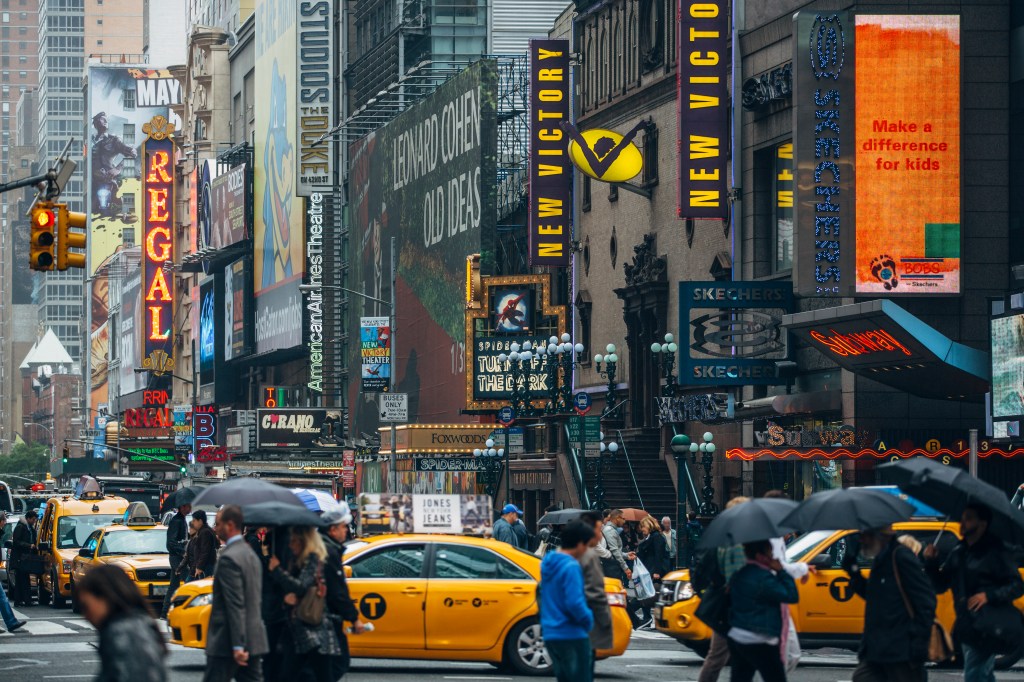
Broadway’s Steady Ascent: Understanding Last Season’s Recovery
As we emerge from the shadows of a global pandemic, Broadway is witnessing a remarkable resurgence, demonstrating resilience and adaptability that has long characterized the world of live theatre. According to recent findings from the Broadway League, the last season marked a steady ascent in ticket sales and audience engagement, signaling a hopeful future for this iconic cultural hub.
The Landscape Before the Recovery
The COVID-19 pandemic brought Broadway to a grinding halt in March 2020, forcing theatres to close their doors and leaving countless performers, crew members, and theatre lovers in limbo. The impact was not just financial; it was deeply emotional, severing the vital connection between artists and audiences. As the world adjusted to new realities, the question remained: how would Broadway recover from such an unprecedented blow?
Factors Contributing to Broadway’s Recovery
Several key factors have contributed to Broadway’s steady ascent in the last season:
- Health and Safety Protocols: The implementation of stringent health and safety measures ensured that audiences felt secure returning to theatres. Vaccination mandates, mask requirements, and enhanced cleaning procedures played a significant role in fostering public confidence.
- Innovative Programming: The pandemic spurred creativity within the theatre community. Productions began to explore new formats, including outdoor performances and digital adaptations, broadening their reach and attracting diverse audiences.
- Community Engagement: Many theatres revisited their community outreach strategies. By engaging local audiences through discounted tickets and educational programs, Broadway institutions strengthened their ties with the community and encouraged a sense of ownership among locals.
- Star Power: The return of high-profile stars to the stage drew significant media attention and public interest. Big names in theatre and Hollywood attracted audiences eager to see their performances, further boosting ticket sales.
- Tourism and Economic Revitalization: New York City’s tourism sector began to bounce back, bringing in visitors eager to experience the magic of Broadway. The economic revitalization of the city played a crucial role in the recovery of live performances.
Audience Sentiment and Preferences
The audience’s relationship with theatre has evolved during the pandemic. Many individuals emerged with a renewed appreciation for live performances, realizing how irreplaceable these experiences are. Surveys indicate that audiences are not only eager to return but are also willing to spend more on premium experiences, such as VIP packages and exclusive events.
Furthermore, the demographics of theatre-goers are shifting. With an increase in younger audiences attending shows, notably those associated with social media trends, Broadway is adapting its offerings to cater to this new generation. Shows like “Hamilton” and “Dear Evan Hansen” resonate with younger viewers, and their popularity has led to a surge in interest for live theatre as a whole.
Insights from Industry Professionals
Industry experts believe that the recovery of Broadway is not merely a return to pre-pandemic norms but an opportunity for growth and evolution. According to Charlotte St. Martin, President of the Broadway League, “This is a moment for Broadway to redefine itself and its relationship with audiences.” Professionals across the industry are optimistic about diversifying the types of stories told on stage and expanding representation within productions.
Moreover, the involvement of playwrights and artists from diverse backgrounds is essential for creating a more inclusive narrative on Broadway. This evolution aligns with the broader cultural movements advocating for representation and equity in the arts.
Challenges That Lie Ahead
Despite the positive trends, challenges remain. The threat of potential new variants of the virus continues to loom, creating uncertainty around audience turnout and safety protocols. Additionally, the industry must navigate rising production costs and the ongoing competition from digital entertainment platforms.
To sustain this momentum, Broadway will need to innovate continually and find new ways to engage audiences. It may involve investing in technology to enhance the theatre experience or creating hybrid models that combine live and virtual performances, thus reaching a wider audience.
The Future of Broadway
As we look toward the future, the steady ascent of Broadway holds promise. The last season’s recovery signifies not just a return but a vibrant reawakening of a cherished art form. Theatres are set to unveil new productions that reflect contemporary issues, resonate with diverse audiences, and push the boundaries of traditional storytelling.
Moreover, the commitment to sustainability and social responsibility is becoming increasingly evident within the industry. Many productions are adopting eco-friendly practices and aiming to address social justice issues through their narratives.
Conclusion: A Bright Horizon for Broadway
In conclusion, Broadway’s steady ascent is a testament to the resilience of the human spirit and the enduring power of live performance. As the industry continues to navigate the complexities of post-pandemic recovery, the focus on innovation, inclusivity, and audience engagement will be paramount. The last season’s findings not only highlight a recovery but also set the stage for a reimagined future, where Broadway can thrive and continue to inspire generations to come.
With a renewed dedication to the art form, Broadway is poised not just to survive but to flourish, welcoming audiences back to experience the magic of theatre once again. The journey ahead will undoubtedly be filled with challenges, but the passion for live performance remains unwavering, igniting a hopeful flame for the future of Broadway.
See more CNET Live