
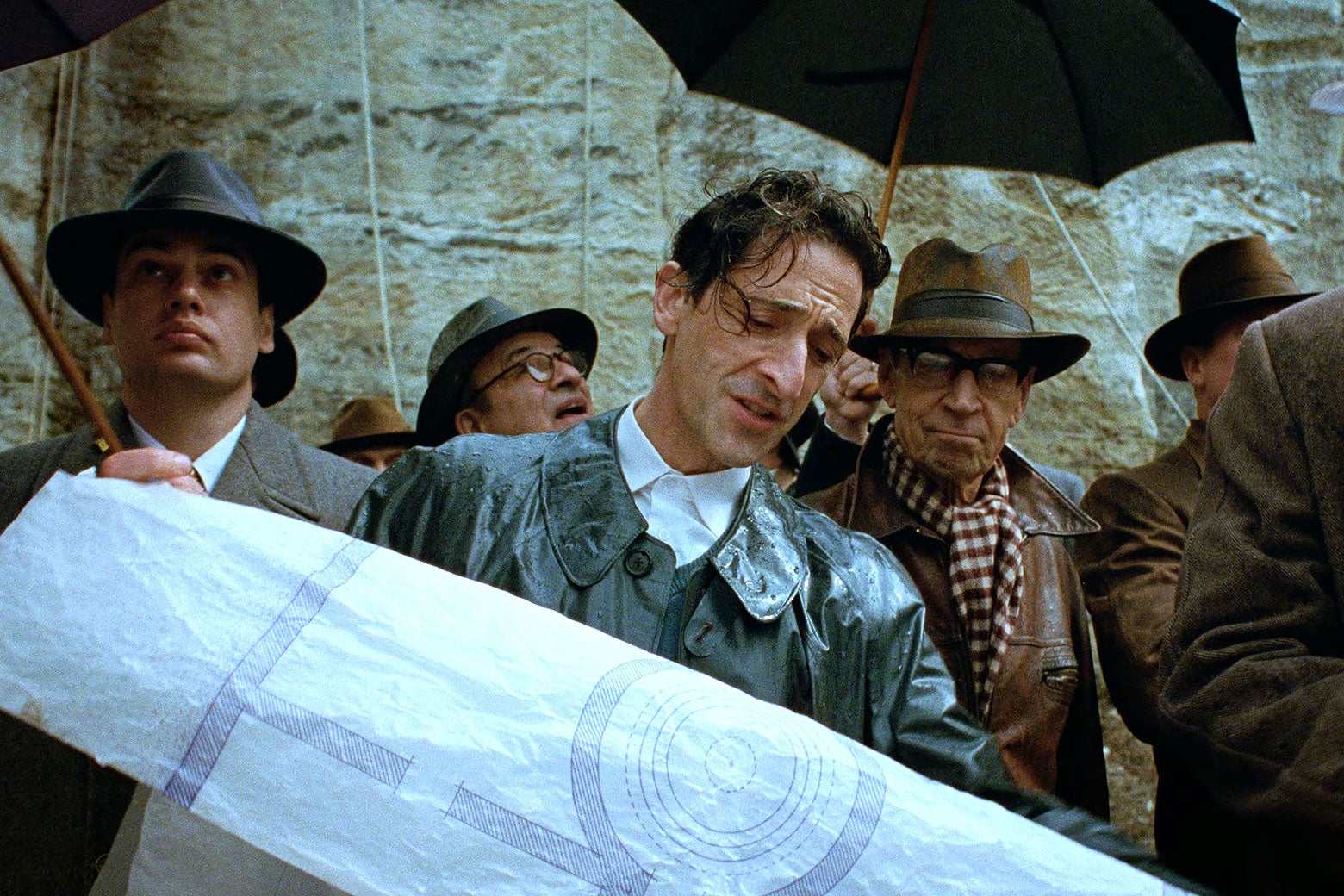
Brutalism Meets AI: A New Era in Film Aesthetics
As the Oscars approach, a surprising clash between Brutalism and artificial intelligence (AI) has ignited heated debates within the film community. This intersection of architectural style and technological innovation is captivating audiences and industry professionals alike, prompting a reevaluation of what constitutes artistic merit in film. The controversy is not merely about aesthetics; it questions the very essence of creativity and originality in the cinematic arts.
The Rise of Brutalist Aesthetics in Cinema
Brutalism, characterized by its raw, exposed materials and stark, geometric forms, emerged in the mid-20th century as a response to the sleek, decorative styles of modernism. In recent years, filmmakers have begun to embrace these architectural principles, using them to convey a sense of authenticity and emotional depth. Films like “The Lighthouse” and “High-Rise” have showcased Brutalist influences, creating claustrophobic and intense atmospheres that resonate with audiences.
Critics argue that the use of Brutalist aesthetics reflects a broader cultural zeitgeist, where the harsh realities of contemporary life are laid bare. This approach often contrasts sharply with the polished visuals of mainstream cinema, allowing filmmakers to explore themes of alienation, societal decay, and existential dread. As the Oscars spotlight these films, the discussion around Brutalism in cinema becomes even more pertinent.
Artificial Intelligence in Filmmaking
On the other side of this intriguing debate lies the rise of artificial intelligence in filmmaking. AI has begun to revolutionize various aspects of the film industry, from scriptwriting and editing to visual effects and even casting. Tools powered by AI can analyze scripts for potential hits, suggest improvements, and even create storyboards, making the filmmaking process more efficient than ever.
However, the integration of AI into creative processes raises questions about authorship and originality. If a machine can generate a compelling script or create stunning visuals, what does that mean for human creativity? As filmmakers employ AI to push the boundaries of storytelling and visual representation, some critics worry that this reliance on technology could dilute the emotional impact and authenticity that characterizes great cinema.
The Controversy: Can Brutalism and AI Coexist?
The intersection of Brutalism and AI in the film industry has sparked a controversy that is both fascinating and complex. On one hand, the raw, unrefined aesthetics of Brutalism seem to stand in stark contrast to the sleek, polished outputs of AI-driven technology. Critics argue that while AI might enhance certain aspects of filmmaking, it cannot replicate the emotional depth that comes from human experience and intuition.
Proponents of AI in filmmaking argue that it can serve as a tool to enhance and complement human creativity rather than replace it. By automating mundane tasks, filmmakers can focus more on storytelling and emotional resonance. Some directors are already experimenting with AI-generated visuals that incorporate Brutalist elements, creating a unique fusion of technology and artistic expression.
Reactions from the Film Community
Reactions to the melding of Brutalism and AI have been mixed. Some filmmakers and critics embrace the challenge, viewing it as an opportunity to explore new artistic territories. For instance, director Jane Doe recently stated, “AI can help us visualize concepts that are inherently brutalist. It allows us to experiment with forms and structures that evoke the rawness of human emotion.”
- Supporters of this fusion argue:
- AI can enhance the storytelling process by providing new perspectives.
- Brutalism’s starkness can serve as a backdrop for AI-generated narratives, emphasizing the emotional weight of the story.
- Opponents caution:
- The reliance on AI might lead to formulaic storytelling, stripping away the individuality of filmmakers.
- Brutalism’s authenticity may be compromised if its aesthetics are overly manipulated by algorithms.
The Oscar Nominations: A Reflection of This Debate
This Oscar season, several films are nominated that exemplify this clash of ideologies. Titles such as “Brutalist Dreams” and “Artificial Visions” present narratives that intertwine the stark realities of Brutalism with the innovative capabilities of AI. These films have garnered attention not only for their storytelling but also for their visual styles that reflect this unique intersection.
Critics have praised “Brutalist Dreams” for its ability to evoke the rawness of human emotion while utilizing AI-generated imagery to enhance its aesthetic appeal. Conversely, “Artificial Visions” has sparked debate over its reliance on technology, prompting discussions about what it means to create art in an age dominated by algorithms.
Looking Forward: The Future of Film in a Brutalist-AI Landscape
As the Oscars draw nearer, the film industry stands at a crossroads. The debate surrounding Brutalism and AI challenges filmmakers to rethink their approaches to storytelling, aesthetics, and the very nature of creativity. Will we see a new wave of films that embrace the gritty, unrefined nature of Brutalism while leveraging the innovative potential of AI?
Ultimately, this controversy is not just about architecture or technology; it reflects larger cultural shifts and the evolving nature of art in the modern world. As audiences engage with these themes, the film industry must navigate a complex landscape where tradition and innovation coexist, pushing the boundaries of what cinema can be.
In conclusion, as we celebrate the achievements of filmmakers at this year’s Oscars, the intersection of Brutalism and AI serves as a reminder of the importance of embracing new ideas while honoring the authenticity of human expression. It’s a thrilling time for cinema, and one can only imagine what the future holds as these two powerful forces continue to collide.
See more CNET Live