
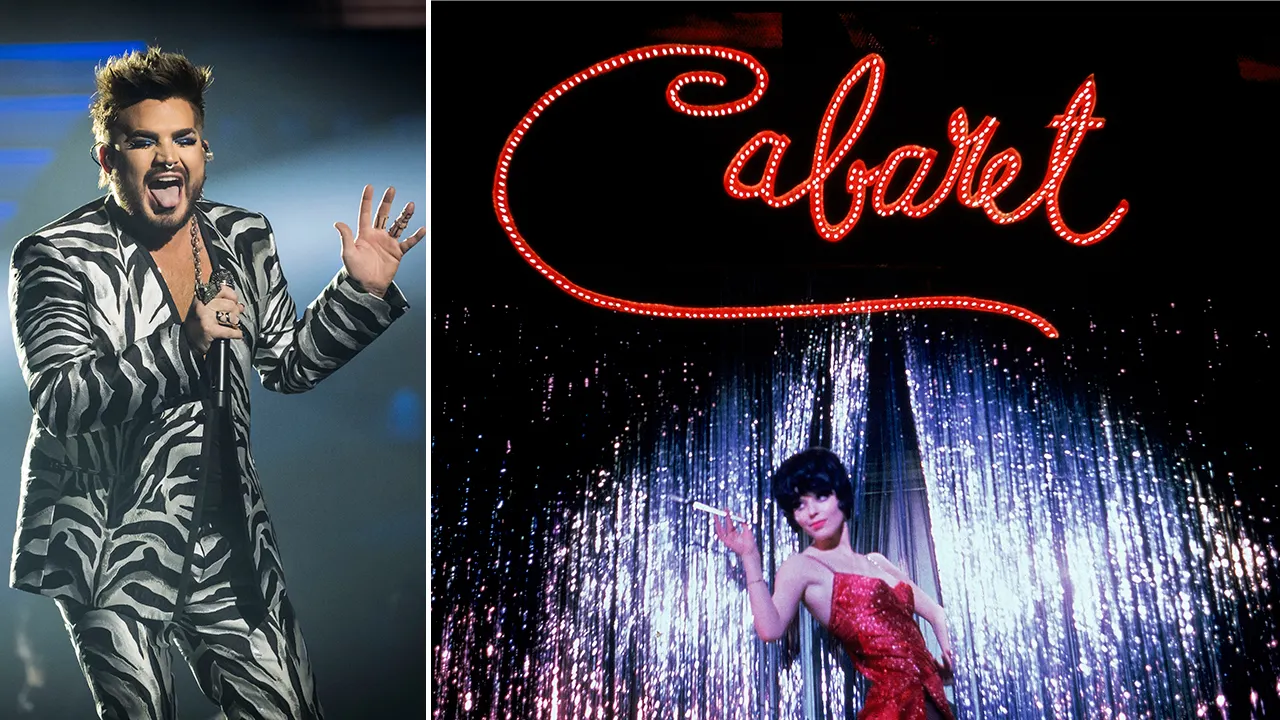
The Timeless Relevance of ‘Cabaret’
In a world where societal issues seem to echo through time, the musical ‘Cabaret’ stands out as a poignant reflection of the human experience. A former contestant from ‘American Idol,’ who has since transitioned into a career that embraces both performance and social commentary, recently shared some surprising insights about how this classic musical resonates deeply with today’s societal challenges. The parallels drawn between the pre-World War II era depicted in ‘Cabaret’ and contemporary society are not just striking; they are illuminating, shedding light on our ongoing struggles for identity, acceptance, and understanding in a rapidly changing world.
The Historical Context of ‘Cabaret’
‘Cabaret,’ written by John Kander and Fred Ebb, premiered in 1966 and is set in the tumultuous atmosphere of 1930s Berlin. The story unfolds in the Kit Kat Klub, a seedy cabaret where the vibrant lives of its patrons and performers clash with the encroaching darkness of Nazi Germany. This juxtaposition of lively entertainment against a backdrop of societal decay serves as a powerful reminder of the fragility of liberty and the ease with which society can slip into authoritarianism.
The former ‘American Idol’ contestant, reflecting on the themes of the musical, emphasizes how the characters in ‘Cabaret’ embody the struggles of the time. “The characters are living on the edge, trying to maintain their joy and freedom in an increasingly oppressive world,” they noted. This sentiment resonates today as communities around the globe grapple with issues such as political extremism, social inequality, and the erosion of civil liberties.
Parallels with Contemporary Society
As the discussion continued, the artist highlighted specific parallels that resonate with current events. The rise of populism, the marginalization of certain groups, and the struggle for individual expression are themes that are just as relevant now as they were in the era ‘Cabaret’ portrays. Here are some key aspects that underline this connection:
- Political Polarization: Much like the characters in ‘Cabaret’ who navigate a society on the brink of collapse, today’s citizens often find themselves divided along ideological lines. The former contestant remarked, “It’s like we’re living in our own cabaret, where the performance feels real but the consequences are dire.”
- Social Injustice: The marginalization of individuals based on race, gender, or sexual orientation remains a pressing issue. In ‘Cabaret,’ we see characters grappling with their identities in a world that seeks to categorize and repress them. The artist emphasized the importance of embracing diversity and recognizing the shared humanity in everyone.
- The Role of Art: Just as the Kit Kat Klub serves as a refuge for its characters, art today continues to provide a space for expression and resistance. The contestant noted, “Music and performance can be a form of protest, a way to challenge the status quo and inspire change.”
Lessons from ‘Cabaret’
The enduring relevance of ‘Cabaret’ extends beyond its narrative; it offers valuable lessons for today’s audiences. Here are some key takeaways that resonate with the former ‘American Idol’ contestant’s insights:
- Embrace Diversity: The musical celebrates a variety of identities and experiences, reminding us of the strength found in diversity. As we navigate a world rife with division, it’s crucial to honor and uplift marginalized voices.
- Stay Vigilant: ‘Cabaret’ serves as a cautionary tale about the dangers of complacency. The characters’ gradual acceptance of their grim reality serves as a warning for contemporary society to remain vigilant against encroaching authoritarianism.
- Find Joy in Resistance: Amidst oppression, the characters find joy in their performances, highlighting the resilience of the human spirit. The former contestant encourages audiences to find their own forms of joy and resistance, whether through art, community, or activism.
The Impact of ‘Cabaret’ on Modern Culture
‘Cabaret’ has transcended its original context, becoming a staple in both theatre and film. Its songs, such as “Maybe This Time” and “Willkommen,” have become iconic, evoking emotions that resonate across generations. The musical’s revival and reinterpretation over the years reflect its capacity to adapt to contemporary issues while maintaining its core message.
The former contestant expressed admiration for recent productions that have reimagined ‘Cabaret’ through diverse perspectives. “Each version brings something new to the table, reminding us that while the story may be set in the past, its themes are very much alive today,” they said.
Personal Reflections and Experiences
Drawing from their own experiences, the former ‘American Idol’ contestant shared how ‘Cabaret’ has influenced their artistic journey. They recounted performing in community theatre productions and the profound impact the musical had on their understanding of identity and expression. “I learned that art has the power to challenge perceptions and foster dialogue,” they noted, emphasizing the importance of storytelling in healing and uniting communities.
Furthermore, they highlighted the role of mentorship in their journey, expressing gratitude for those who encouraged them to embrace their unique voice. “Just like Sally Bowles, we all have stories worth telling. It’s crucial to find spaces where we can share those stories,” they said, inspiring others to pursue their passions despite societal pressures.
Conclusion: A Call to Action
The timeless relevance of ‘Cabaret’ serves as a powerful reminder of the importance of vigilance, diversity, and joy in the face of adversity. As the world grapples with issues that echo those of the past, the insights shared by this former ‘American Idol’ contestant invite us to reflect on our own roles within society. Through art, we can challenge the status quo, inspire change, and foster understanding.
Ultimately, ‘Cabaret’ is not just a musical; it’s a call to action. It encourages us to embrace our identities, celebrate our differences, and stand up against oppression. As we navigate the complexities of contemporary life, let us remember the lessons of the past and strive to create a future where every voice can be heard and every story can be told.
See more CNET Live