
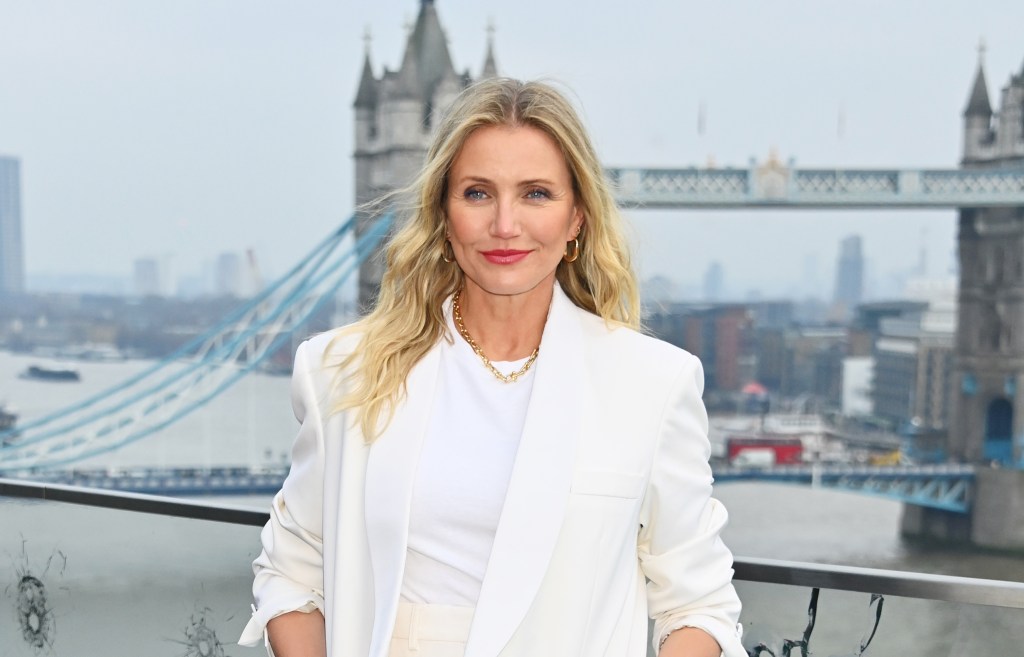
Cameron Diaz Reflects on Pre-MeToo Challenges: A Candid Look at Inappropriate Behavior in Hollywood
In a world where the entertainment industry is constantly evolving, Cameron Diaz has emerged as a prominent voice reflecting on the challenges faced by women in Hollywood prior to the explosive MeToo movement. In a recent interview, Diaz candidly shared her experiences with inappropriate behavior on set, providing insights that highlight the cultural shift within the industry and the pressing need for accountability. Her reflections are not just personal anecdotes; they serve as a crucial commentary on a systemic issue that has plagued Hollywood for decades.
The Landscape of Hollywood Before MeToo
Before the MeToo movement catalyzed a significant cultural reckoning, the landscape of Hollywood was rife with unspoken rules and accepted behaviors that often sidelined women’s voices. Diaz, who rose to fame in the late 1990s and early 2000s, experienced firsthand the subtle and overt forms of harassment that were, at the time, too often dismissed or normalized.
“There were times when I felt uncomfortable, but I didn’t know how to voice that discomfort,” Diaz explained. “The culture was such that speaking out often led to being labeled as difficult or high-maintenance.” This fear of backlash kept many women in silence, suffering in solitude while navigating a male-dominated environment.
Inappropriate Behavior on Set
Cameron Diaz’s reflections detail various instances of inappropriate behavior she encountered while working on set. These experiences ranged from suggestive comments to more overt actions that crossed personal boundaries. She urged that such behavior was not merely an individual issue, but rather indicative of a larger cultural problem that allowed such misconduct to thrive.
- Subtle Harassment: Diaz pointed out how subtle remarks and jokes often escalated into more serious infractions, creating an uncomfortable atmosphere for women.
- Power Dynamics: The imbalance of power in Hollywood often left women vulnerable, as those in positions of authority could exploit their status without fear of repercussions.
- Fear of Repercussions: For many, the fear of losing roles or damaging their careers kept them from speaking out against inappropriate behavior.
Diaz emphasized that the silence surrounding these issues was not just a personal struggle, but part of a collective challenge faced by many women in the industry. Her insights resonate with countless others who have experienced similar situations, reinforcing the need for a supportive environment where individuals can speak out without fear.
The Shift Post-MeToo
The advent of the MeToo movement has been a watershed moment for Hollywood, changing the narrative around inappropriate behavior and harassment. Diaz reflected on this shift, noting how conversations that were once taboo are now becoming more commonplace. “It’s heartening to see more women feeling empowered to share their stories,” she remarked. “The movement has opened up a dialogue that was sorely needed.”
The MeToo movement has not only sparked discussions but has also led to tangible changes in how the industry handles allegations of misconduct. Many production companies are now implementing stricter policies and training programs aimed at fostering a safer working environment for all employees.
Accountability and Change
One of Diaz’s key points is the ongoing need for accountability within Hollywood. While the MeToo movement has made strides, she believes that continued vigilance is necessary to prevent a regression into old habits. “It’s not enough to just talk about these issues. We need to actively create systems that hold individuals accountable for their actions,” she stated.
Diaz’s call for accountability aligns with broader industry trends, including:
- Increased Reporting Channels: Many studios are now providing anonymous reporting mechanisms for employees to safely report inappropriate behavior.
- Training and Education: Workshops focusing on harassment prevention and promoting a respectful workplace culture are becoming more common.
- Support Networks: Organizations supporting victims of harassment are gaining prominence, offering resources and advocacy for those who have faced misconduct.
Cameron Diaz’s reflections serve as a reminder of the power of shared experiences in fostering change. By voicing her own challenges, she encourages others to do the same, creating a ripple effect that can lead to significant cultural shifts. “When we share our stories, we create a sense of community,” Diaz noted. “It’s about realizing we’re not alone in this fight.”
This empowerment through storytelling is particularly important in an industry that has historically marginalized women’s voices. Diaz’s willingness to be vulnerable in sharing her experiences paves the way for others to find their voice, reinforcing the idea that collective action is essential for change.
The Future of Hollywood
As Hollywood continues to navigate the complexities of inappropriate behavior and harassment, Diaz’s insights offer a blueprint for a more equitable future. The cultural shifts initiated by the MeToo movement are just the beginning, and it is crucial that stakeholders in the industry remain committed to fostering a safe and respectful environment.
“We have the power to change the narrative,” Diaz asserted. “It’s about creating a space where everyone feels safe and respected, regardless of their position in the industry.” This vision of a transformed Hollywood is not only desirable but achievable through continued advocacy, education, and accountability.
Conclusion
Cameron Diaz’s reflections on her pre-MeToo challenges provide an invaluable perspective on the ongoing struggle against inappropriate behavior in Hollywood. Her candidness sheds light on the cultural shifts that are taking place and emphasizes the importance of accountability and empowerment. As the industry moves forward, the lessons learned from these experiences must not be forgotten. It is the collective responsibility of everyone involved in Hollywood to ensure that the progress made is not only sustained but also expanded upon, paving the way for a future where respect, equality, and safety are the norms rather than the exceptions.
See more CNET Live