
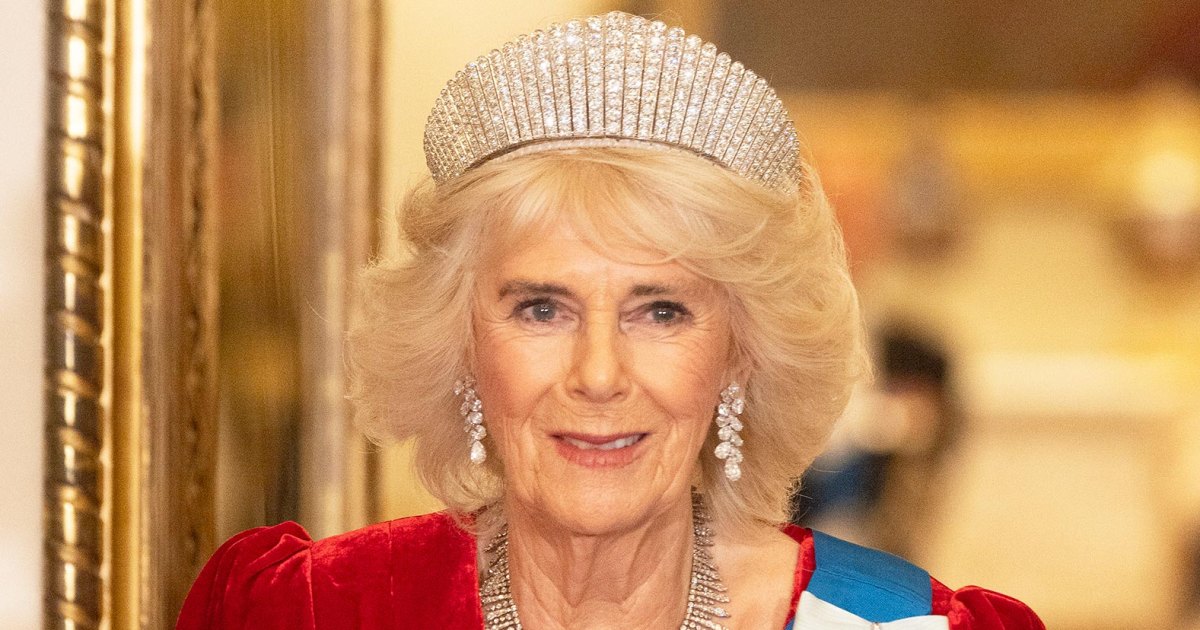
Unveiling the Truth: Did Camilla Really Reject the Role of Queen?
In the realm of British royalty, few figures have stirred as much conversation and speculation as Camilla, the Duchess of Cornwall. A new book has emerged, challenging the established narrative surrounding Camilla’s acceptance of her royal role, particularly her title as Queen Consort. This article delves into the complexities of Camilla’s journey, revealing her personal sentiments about the title and the expectations that accompany it. Through this exploration, we aim to provide a nuanced understanding of her position within the royal family and the broader implications for the monarchy.
The Background of Camilla’s Role
To understand Camilla’s hesitations regarding her royal title, it is essential to first grasp the historical and social context of her role. Camilla Parker Bowles married Charles, Prince of Wales, in 2005, a union that many viewed as controversial due to Charles’s previous marriage to Princess Diana. The public’s perception of Camilla has been a mix of skepticism and acceptance, influenced heavily by media portrayals and the legacy of Diana.
Upon her marriage, Camilla was granted the title Duchess of Cornwall. However, upon Charles’s ascension to the throne, she could have been formally titled as Queen. Instead, it was announced that she would be known as Queen Consort, a title that carries significant weight and expectation within the British monarchy.
Did Camilla Reject the Title of Queen?
The claim that Camilla rejected the title of Queen has gained traction, especially in light of recent revelations from the aforementioned book. Sources indicate that she expressed considerable reservations about assuming the title of Queen, citing concerns about the responsibilities and public scrutiny that would accompany it. The book suggests that Camilla’s decision was rooted in a desire to maintain a level of privacy and to avoid the intense media spotlight that the title might attract.
- Concerns About Public Scrutiny: Camilla has long been aware of the public’s eye on her. The title of Queen would undoubtedly bring greater scrutiny, and this concern has influenced her stance.
- Desire for Simplicity: Throughout her life, Camilla has often preferred a more low-key lifestyle. The title of Queen could complicate this, introducing rigid protocols and expectations that she may not wish to embrace.
- Commitment to Her Role: Camilla has shown a strong commitment to her duties as Duchess of Cornwall, focusing on charitable work and community engagement. She may believe that the title of Queen would distract from this important work.
The Rigid Protocols of Royal Life
One of the significant factors contributing to Camilla’s hesitation regarding the title of Queen is the strict protocols that govern royal life. These protocols dictate everything from public appearances to personal conduct, often leaving little room for individuality or personal expression.
Royal duties require a level of formality and decorum that can be overwhelming. Camilla, who has always valued her independence, may find the strictures of royal life stifling. The book highlights that she is often torn between her commitment to the monarchy and her desire for a more authentic, personal life.
The Impact of Public Perception
The public’s perception of Camilla as a royal figure has evolved over the years, but it remains a crucial aspect of her experience. Despite her efforts to engage with the public and contribute positively to society, she often faces backlash and skepticism.
Many royal watchers believe that the stigma attached to her past relationship with Charles continues to influence how she is viewed. By rejecting the title of Queen, Camilla may be attempting to distance herself from the expectations that accompany it, allowing her to navigate her role with a more personal touch.
Insights from Camilla’s Journey
Camilla’s journey is marked by resilience and adaptability. While she may have had reservations about the title of Queen, she has embraced her role as Queen Consort with grace and determination. Here are some insights gleaned from her experiences:
- Growth Through Adversity: Camilla’s life has been characterized by challenges, particularly in the public eye. Her ability to persevere through scrutiny speaks volumes about her character.
- Philanthropic Focus: Her commitment to charitable causes, particularly those related to health, literacy, and empowerment, underscores her desire to make a meaningful impact beyond royal titles.
- Personal Identity: Camilla’s reluctance to fully embrace the title of Queen reflects her understanding of the importance of personal identity in the face of public expectations.
The Future of Camilla as Queen Consort
As the monarchy evolves, so too does Camilla’s role within it. Whether she fully embraces the title of Queen or continues as Queen Consort, her contributions to the royal family and the nation are undeniable. The insights provided by the new book offer a fresh perspective on her journey, encouraging a more nuanced understanding of her choices.
Moreover, the changing attitudes toward the monarchy itself may play a role in how Camilla is perceived going forward. The younger generation’s desire for a more relatable and modern monarchy may align with Camilla’s approach, potentially fostering a greater appreciation for her contributions.
Conclusion: A Complex Legacy
In conclusion, the question of whether Camilla really rejected the role of Queen is not simply a matter of semantics; it speaks to the broader complexities of her identity as a royal figure. As she navigates her responsibilities and personal desires, Camilla remains a pivotal player in the monarchy’s future. Her journey exemplifies the tension between tradition and modernity, illustrating the challenges faced by those in the royal spotlight.
As we reflect on Camilla’s path, it becomes increasingly clear that her story is one of resilience and authenticity, deserving of recognition and respect. The truth behind her title may be layered, but it ultimately contributes to an ever-evolving narrative within the British royal family.
See more CNET Live