
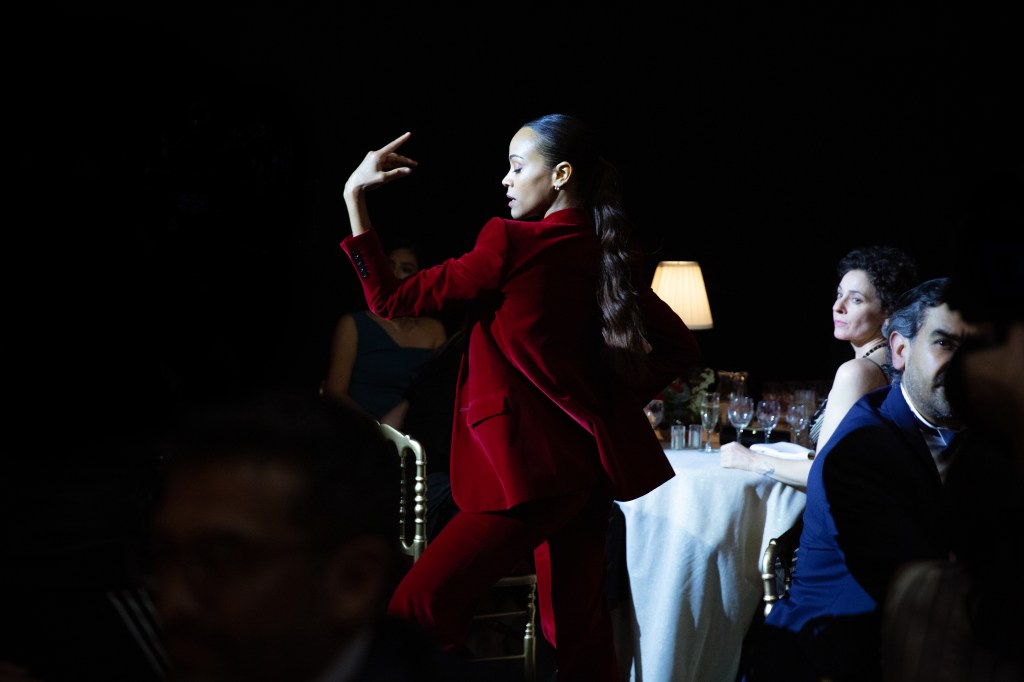
Camille’s Bold Stand: A Songwriter’s Pledge Against Hate Speech
In an era marked by increasing polarization and rampant hate speech, acclaimed songwriter Camille, widely recognized for her hit “Emilia Peréz,” has made a profound declaration: her artistry will never endorse hate speech. This bold stand not only highlights Camille’s commitment to her craft but also raises critical questions about the role of artists in shaping societal values and fostering a culture of inclusivity. As society grapples with the consequences of divisive rhetoric, Camille’s pledge serves as a beacon of hope and a call to action for artists and audiences alike.
Understanding Hate Speech in Today’s Context
Hate speech, defined as any form of communication that incites violence or prejudicial action against a particular group based on attributes such as race, religion, sexual orientation, or gender, poses a significant threat to social harmony. The digital age has amplified this issue, allowing harmful messages to spread rapidly across platforms, reaching far and wide. Artists, with their influential platforms, are often seen as cultural leaders with the power to either perpetuate or challenge these narratives.
Camille’s declaration against hate speech is not merely an artistic statement; it is a moral imperative. In her view, artists have a responsibility to use their voices to uplift, educate, and promote understanding rather than to divide. This perspective aligns with the growing trend of socially conscious artistry, where musicians, writers, and performers actively engage in conversations about societal issues.
Camille’s Artistic Journey and Influence
Born into a diverse cultural environment, Camille’s experiences have shaped her understanding of the world and her approach to songwriting. Her hit song “Emilia Peréz” reflects not just her artistic prowess but also her commitment to telling stories that resonate with the marginalized and the oppressed. Through her music, Camille has consistently highlighted themes of identity, resilience, and love, making her a pivotal figure in the contemporary music scene.
Her latest declaration builds on this foundation. Camille asserts that her commitment to artistry is intertwined with her ethical beliefs. By refusing to endorse hate speech, she positions herself as a champion of positivity and inclusivity, encouraging her audience to reflect on the power of words and the impact they have on society.
The Role of Artists in Society
Artists have long played a crucial role in shaping cultural narratives. From protest songs of the 1960s to contemporary hip-hop that addresses systemic injustice, music and art have served as vehicles for social change. Camille’s stand against hate speech is a reminder that artists can influence public discourse and inspire action.
Why This Matters
- Creating Awareness: Artists like Camille can raise awareness about critical social issues, encouraging listeners to engage in meaningful discussions.
- Fostering Empathy: Music has the unique ability to evoke emotions, allowing listeners to connect with experiences outside their own.
- Challenging Norms: By taking a stand, artists can challenge the status quo and advocate for change, encouraging others to do the same.
Camille’s pledge is not just a personal commitment; it is a rallying cry for her peers in the industry. By standing firmly against hate speech, she invites other artists to join her in fostering a more compassionate and understanding society.
Reactions from the Music Community
The response to Camille’s declaration has been overwhelmingly positive, with many artists and fans expressing their support. Social media platforms have been flooded with messages of solidarity, showcasing a community united against hate. Fellow musicians have praised Camille for her courage, emphasizing the importance of using their platforms responsibly.
This wave of support reflects a broader cultural shift within the music industry. Many artists are now prioritizing messages of love, acceptance, and social justice in their work. This trend suggests that the music community is increasingly recognizing its role in combating hate speech and promoting inclusivity.
How Fans Can Support the Movement
Fans play a crucial role in amplifying this message. Here are some ways supporters can contribute:
- Engage with Positive Content: Choose to support artists who promote messages of kindness and understanding.
- Challenge Hate Speech: Speak out against hate speech in all its forms, whether online or in person.
- Promote Inclusivity: Share content that uplifts marginalized voices and fosters a sense of community.
By actively engaging in these practices, fans can create a ripple effect, encouraging others to adopt a similar stance against hate speech.
The Future of Art and Expression
As we look to the future, the intersection of art and social responsibility is likely to become even more pronounced. With increasing awareness of the impact of words and actions, artists may feel a growing pressure to take stands on various social issues. Camille’s bold stand against hate speech could serve as a model for how artists can navigate this landscape while remaining true to their artistry.
Moreover, as society continues to evolve, the definitions of hate speech and acceptable discourse may shift, necessitating ongoing dialogues within the artistic community. Camille’s pledge is not just a reaction to current events; it is an invitation for sustained engagement and reflection on the role of art in shaping our collective consciousness.
Conclusion
Camille’s bold stand against hate speech underscores the profound responsibility artists bear in shaping societal values. Her commitment to artistry that rejects hate serves as a powerful reminder of the potential for music and art to foster understanding, empathy, and change. As artists continue to navigate the complexities of expression in a rapidly changing world, Camille’s pledge is a clarion call for creativity that uplifts rather than divides. It invites everyone—artists, fans, and communities—to join in the fight against hate and to embrace a future where love and respect prevail.
See more CNET Live