
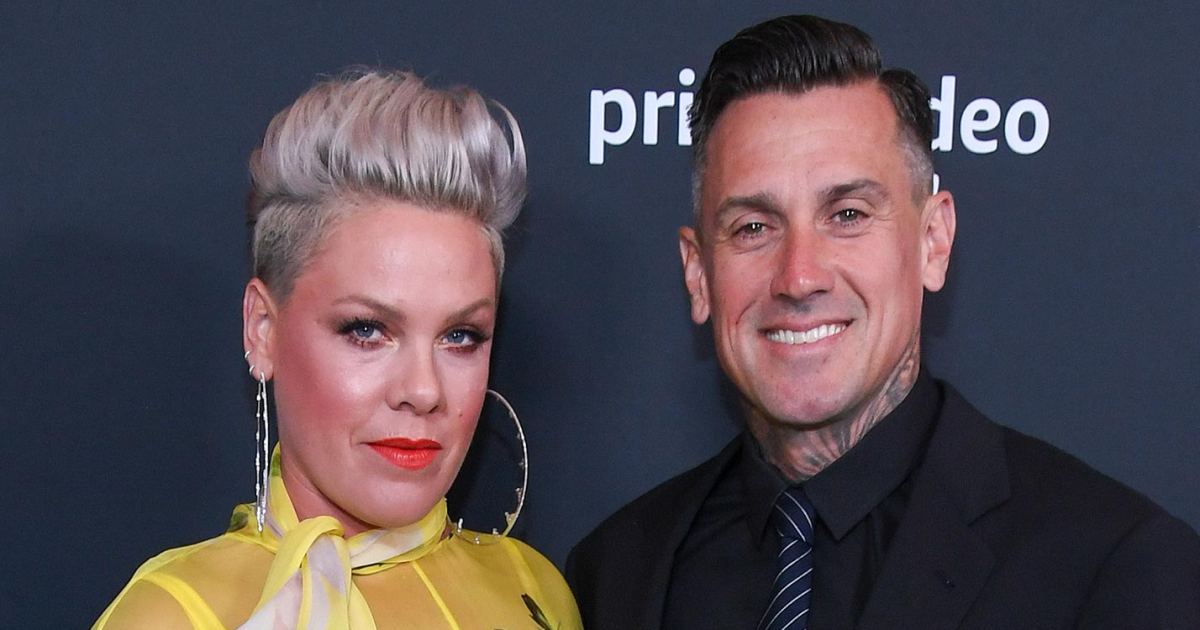
Carey Hart’s Special Forces Departure: A Journey of Resilience and Support
Carey Hart’s recent exit from the Special Forces program has undoubtedly sent ripples through both the military and entertainment communities. As a professional motocross racer turned military enthusiast, Hart’s journey has been anything but ordinary. His departure, prompted by a significant injury, not only marks a pivotal moment in his life but also highlights the emotional and physical challenges faced by those in elite military training. This article delves into Hart’s personal journey, the impact of his injury, and the unwavering support from his wife, renowned singer Pink, during this difficult time.
The Path to Special Forces
Carey Hart’s leap into the Special Forces program was fueled by a desire for growth and a quest for purpose beyond the motocross circuit. After years of pushing limits on two wheels, he sought to challenge himself in a new arena. The Special Forces, known for their rigorous training and elite status, attracted Hart as a means to test his physical and mental mettle.
Joining such an esteemed program is not a decision made lightly. Many aspiring candidates undergo extensive preparations, both physically and psychologically. Hart, with his background in extreme sports, had a unique skill set that he hoped would translate well into military training. However, the demands of Special Forces training are immense, and even the most seasoned athletes can find themselves tested beyond their limits.
The Injury That Changed Everything
Unfortunately, during one of the intensive training exercises, Hart sustained a significant injury. While details about the exact nature of the injury have not been fully disclosed, it was serious enough to warrant a reconsideration of his future in the program. Injuries in such high-stakes training environments are not uncommon, and they can have lasting effects on a candidate’s physical capabilities and mental resilience.
For Hart, the injury was more than just a setback; it was a moment of reckoning. The physical pain was compounded by the emotional turmoil of leaving a path that he had committed to wholeheartedly. The mental battle of grappling with unfulfilled ambitions can be daunting, especially for someone like Hart, who has always thrived on adrenaline and achievement.
Support from Pink: A Pillar of Strength
Throughout this challenging ordeal, Pink has been a steadfast source of support for Hart. As a public figure herself, she understands the pressures that come with high expectations and the scrutiny of the media. Pink’s reaction to Hart’s departure from the Special Forces program was one of compassion and encouragement, highlighting the importance of emotional support during recovery.
In a recent interview, Pink expressed her admiration for Hart’s courage in pursuing the Special Forces path, acknowledging that the journey itself is a testament to his character. She emphasized the significance of prioritizing health and well-being, stating, “Sometimes, the bravest thing you can do is to know when to step back and heal.” This sentiment resonates deeply, especially within the context of military training, where the stigma surrounding injuries can often lead to individuals pushing through pain at the expense of their long-term health.
Understanding the Mental Health Aspect
Hart’s departure from the Special Forces program also brings to light a critical conversation about mental health within the military community. The pressures faced by those in elite military training can lead to mental health challenges, including anxiety, depression, and PTSD. The acknowledgment of injuries—both physical and mental—is essential in creating a supportive environment where individuals can thrive without fear of judgment.
- **Importance of Mental Health Support**: The military has made strides in addressing mental health, but there is still a long way to go. Open conversations like the one prompted by Hart’s situation can help reduce stigma.
- **Seeking Help**: Encouraging individuals to reach out for support when faced with mental or physical challenges is crucial. Hart’s journey emphasizes that seeking help is not a sign of weakness, but rather a step towards resilience.
- **Community Support**: The role of family, friends, and community can make a significant difference in recovery. Pink’s unwavering support showcases how crucial it is to have a strong support system.
Looking Ahead: What’s Next for Carey Hart?
As Hart navigates this new chapter in his life, the focus now shifts to recovery and personal growth. While his time in the Special Forces may have been cut short, it does not define his journey. Many have faced similar paths of loss and recovery, emerging stronger and more resilient. Hart’s experience could serve as an inspiration to others who may find themselves at a crossroads, facing unexpected challenges.
In the wake of his departure, Hart may choose to engage in advocacy around injury recovery, mental health awareness, or even continue to explore other avenues that align with his passions. The motocross community, along with his fans, will undoubtedly rally behind him, cheering on whatever endeavors he decides to pursue next. The spirit of resilience and the understanding of one’s own limits is essential, and Hart embodies this ethos as he takes the steps toward healing.
Conclusion: A Journey of Resilience
Carey Hart’s departure from the Special Forces program is a poignant reminder that life’s journeys are often unpredictable. While injuries can derail plans, they also open doors to new opportunities for growth and understanding. With the support of his wife, Pink, and the community around him, Hart’s story is one of resilience, strength, and the power of love in the face of adversity. As he embarks on this personal journey, one thing remains clear—his spirit and determination will continue to inspire many.
See more CNET Live