
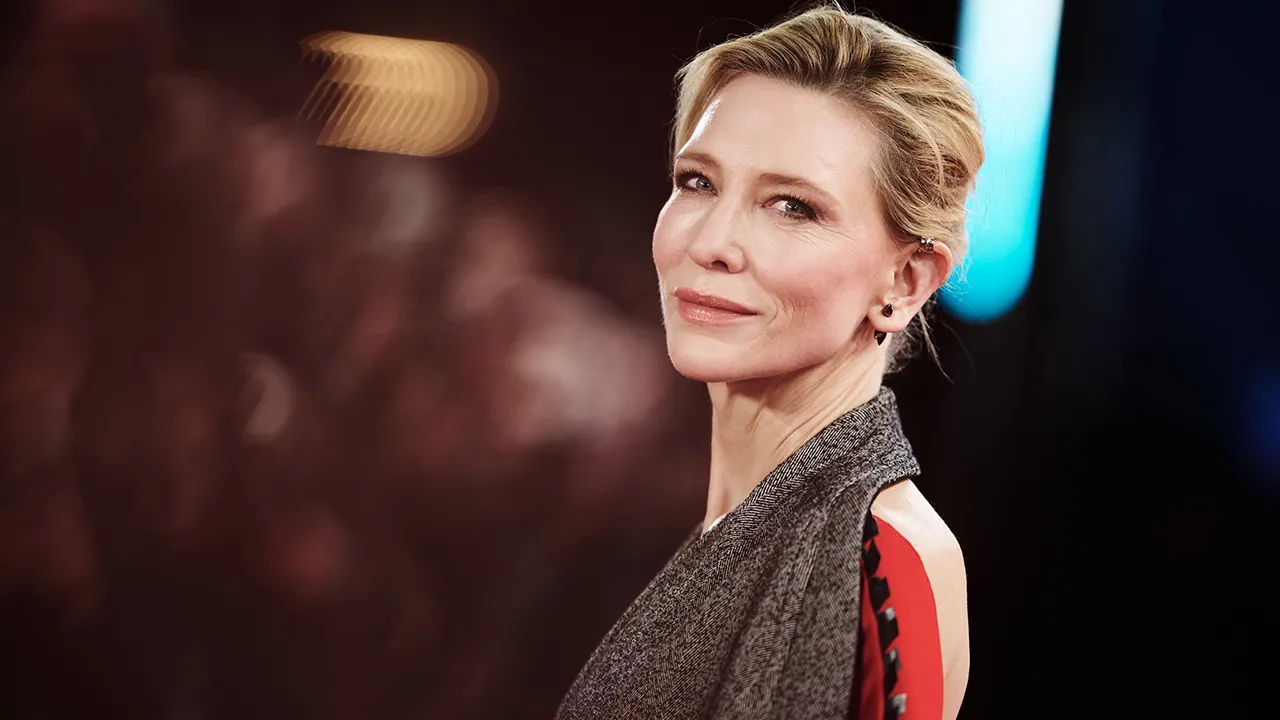
Cate Blanchett Advocates for Privacy: Should Award Shows Stay Off-Air?
In an era where the lines between public life and personal privacy are increasingly blurred, Oscar-winning actress Cate Blanchett has emerged as a vocal advocate for the protection of celebrities’ privacy, particularly in the context of televised award shows. Her thought-provoking stance has sparked a broader conversation about the future of these glamorous events, raising essential questions about the balance between public recognition and personal boundaries. As we delve into Blanchett’s insights, we can better understand the implications of award shows on privacy and whether these events should continue to be broadcasted.
The Privacy Debate in Hollywood
The glitzy world of Hollywood is often characterized by its red carpets, flashing cameras, and the relentless pursuit of fame. Award shows, like the Oscars and the Golden Globes, have become cultural phenomena that celebrate artistic achievements. However, this celebration comes at a cost. Celebrities often find their private lives scrutinized and dissected under the harsh glare of public attention. Cate Blanchett argues that this level of exposure can be detrimental, not only to the individuals involved but also to the authenticity of the art itself.
Blanchett’s perspective raises important issues regarding the nature of fame and the expectations placed upon public figures. In her view, award shows contribute to a culture where personal boundaries are consistently crossed, leaving little room for genuine self-expression. She suggests that the pressures of public life can stifle creativity, as artists may feel compelled to conform to societal expectations rather than explore their true selves.
Impact of Televised Award Shows on Celebrities
Televised award shows have long been a staple of the entertainment industry, providing a platform for recognition and celebration. However, the impact on celebrities can be profound:
- Invasion of Privacy: The constant media attention often leads to invasive scrutiny of celebrities’ lives, from their relationships to personal struggles.
- Public Pressure: Winning awards can create immense pressure to maintain a certain public image, which can be overwhelming for many artists.
- Emotional Toll: The fear of negative publicity and judgment can lead to anxiety and mental health challenges for those in the spotlight.
Blanchett’s advocacy for privacy resonates with many who feel that the current structure of award shows promotes a superficial engagement with art and artists. Instead of focusing on the merit of the work, the emphasis often shifts to celebrity personas and their off-screen lives.
The Case for Keeping Award Shows On-Air
While Blanchett presents compelling arguments for re-examining the nature of televised award shows, there are also voices advocating for their continuation. Here are some reasons why award shows might still hold value:
- Celebration of Art: Award shows provide a platform for artists to be recognized for their hard work, creativity, and dedication to their craft.
- Industry Networking: These events serve as crucial networking opportunities where artists, producers, and industry leaders can connect and collaborate.
- Audience Engagement: Fans often feel a connection to their favorite celebrities during these events, creating a sense of community and shared experience.
Supporters of televised award shows argue that, when done thoughtfully, these events can highlight important issues in the industry, such as diversity and representation. However, the challenge lies in finding a balance that protects the privacy of individuals while still celebrating their contributions to the arts.
Exploring Alternatives: A New Format?
In light of the ongoing debate, some industry insiders have begun to explore alternatives to traditional televised award shows. These alternatives aim to maintain the celebratory essence while placing greater emphasis on the personal agency of artists. Some possible approaches include:
- Private Ceremonies: Hosting smaller, invite-only events could allow for a more intimate celebration of achievements without the public scrutiny.
- Virtual Awards: Utilizing digital platforms to celebrate artists can minimize invasive media coverage while still acknowledging their accomplishments.
- Focus on Art, Not Stars: Shifting the focus from celebrity culture to a celebration of the artistic process can help to create a more meaningful dialogue about the work itself.
By rethinking the format of award shows, the industry could foster an environment that respects privacy while still honoring the contributions of artists. Blanchett’s advocacy serves as a catalyst for these discussions, pushing the boundaries of what award shows can and should represent.
The Role of the Media
Another crucial aspect of this conversation is the role of the media in shaping public perception. The media’s obsession with celebrity culture often magnifies the invasive elements of award shows. As audiences consume content that prioritizes sensationalism over substance, the pressure on celebrities intensifies. This creates a cycle where privacy is continually compromised for the sake of entertainment.
Blanchett’s call for privacy extends beyond just the artists themselves; it also invites audiences to reflect on their consumption habits. By demanding more thoughtful media coverage that respects personal boundaries, viewers can contribute to a cultural shift that prioritizes the well-being of artists over mere spectacle.
Conclusion: Finding Balance in the Spotlight
Cate Blanchett’s advocacy for privacy presents a compelling argument in the ongoing debate about the future of award shows. As we navigate a rapidly changing cultural landscape, it is crucial to consider the implications of televised recognition on the lives of those in the spotlight. While award shows have their merits, the call for privacy and respect for personal boundaries is more relevant than ever.
Ultimately, the question remains: should award shows stay off-air? The answer may lie not in eliminating these events altogether but in reimagining their format and purpose. By fostering a culture that celebrates art while prioritizing the privacy of artists, the industry can create an environment where creativity thrives, and personal boundaries are respected.
As discussions continue, it is essential for both the industry and audiences to engage in meaningful dialogue about the future of award shows. By doing so, we can ensure that the celebration of artistry does not come at the expense of individual privacy.
See more CNET Live