
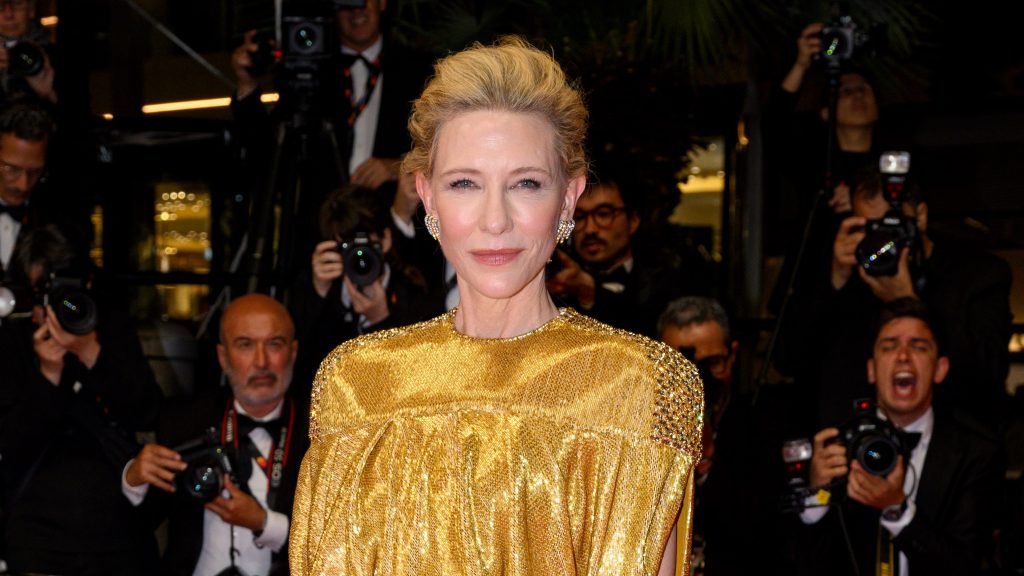
Cate Blanchett Advocates for Untelevised Awards Shows
In a recent interview, acclaimed actress Cate Blanchett advocated for a bold reevaluation of awards shows within the film industry, proposing a shift towards untelevised formats. Her remarks strike at the heart of a longstanding debate about the true nature and purpose of these ceremonies, suggesting that a move away from the glitzy, spectacle-driven presentations could foster a more authentic environment for both artists and audiences. This call for authenticity raises important questions about the essence of celebration in cinema and the impact of television broadcasts on the creative community.
The Current Landscape of Awards Shows
Awards shows like the Oscars, Golden Globes, and BAFTAs have become annual spectacles, drawing millions of viewers globally. These events are often characterized by:
- Red Carpet Glamour: The pre-show events are filled with fashion statements, celebrity interviews, and a focus on appearances.
- High-Pressure Competition: Nominees are thrust under the spotlight, turning what could be a celebration into a tense competition.
- Spectacle Over Substance: The focus often shifts to viral moments and performances rather than the artistic achievements being recognized.
While these elements contribute to the shows’ entertainment value, Blanchett argues that they can undermine the genuine appreciation of art. Her advocacy for untelevised awards shows suggests a desire for a setting where the focus returns to the work itself and the stories being told, rather than the spectacle surrounding them.
The Case for Untelevised Awards Shows
Cate Blanchett’s insights into untelevised awards shows invite a reexamination of how these events function. Let’s explore some of the key arguments supporting this shift:
- Fostering Genuine Connections: An untelevised format could allow for more intimate and heartfelt conversations among nominees and winners. Without the cameras rolling, artists might feel freer to express their thoughts and emotions, leading to more meaningful exchanges.
- Reducing Performance Anxiety: The pressure of being on live television can be overwhelming. By removing the broadcast aspect, artists may be able to engage more authentically with the celebration of their work.
- Shifting the Focus to Art: This format would prioritize the art itself over the performance of the event, allowing attendees to engage deeply with the films and their impact.
Challenges of Going Untelevised
While Blanchett’s proposal is thought-provoking, it’s essential to consider the potential challenges of untelevised awards shows. The transition to this format would not be without its hurdles:
- Audience Engagement: Awards shows are designed to engage audiences, and removing the televised aspect may lead to a decline in public interest. Finding new ways to connect with fans would be vital.
- Revenue Streams: The financial model surrounding awards shows heavily relies on advertising and viewership ratings. Untelevised events might struggle to attract sponsorship and funding.
- Accessibility: Televised shows provide a platform for all audiences to witness the celebration of cinema. There’s a risk that untelevised events could become exclusive, limiting access to a broader audience.
Exploring Alternative Celebration Formats
The conversation sparked by Blanchett’s advocacy opens the door for exploring alternative formats for celebrating cinematic achievements. Here are a few innovative ideas that could align with her vision:
- Virtual Reality Experiences: Imagine a virtual awards show where participants can engage in a shared experience from the comfort of their homes. This could provide an immersive way to celebrate creativity and artistry.
- Intimate Gatherings: Smaller, invitation-only events could allow for more personal interactions, where artists can share their journeys and connect on a deeper level.
- Community-Based Celebrations: Localized events that celebrate regional filmmakers could foster a sense of community and inclusivity, showcasing diverse voices and stories.
Reimagining the Purpose of Awards Shows
At their core, awards shows should serve as a celebration of creativity, talent, and storytelling. Cate Blanchett’s proposal prompts us to reconsider what that celebration looks like. It’s not merely about handing out trophies; it’s about recognizing the hard work and dedication that goes into crafting narratives that resonate with audiences.
In a world increasingly focused on social media and instant gratification, the film industry has an opportunity to redefine its values. By prioritizing authenticity over spectacle, awards shows can become platforms for genuine appreciation and discourse. Blanchett’s advocacy serves as a reminder that the essence of cinema lies not in the glitz and glamour, but in the profound connections forged through storytelling.
The Future of Awards Shows: A Call for Authenticity
Ultimately, Cate Blanchett’s call for untelevised awards shows resonates deeply with the ongoing discussion about authenticity in the entertainment industry. As artists and audiences alike seek meaningful connections, the future of awards shows may lie in a blend of tradition and innovation. By stripping away the layers of performance and spectacle, the industry could foster an environment where creativity is celebrated in its truest form.
As we move forward, it will be fascinating to see how the film industry responds to Blanchett’s insights. Will we witness a shift towards more authentic celebrations of cinema? Or will the allure of televised events continue to dominate the landscape? One thing is certain: the conversation has begun, and it is one that could reshape the very fabric of how we celebrate film.
See more CNET Live