
Celeste Developers Abandon Ambitious Sequel: What Went Wrong with Earthblade?
The gaming community was rocked recently by the announcement from Maddy Makes Games, the developers behind the critically acclaimed indie title Celeste, regarding the cancellation of their highly anticipated sequel, Earthblade. This news left fans heartbroken and sparked a flurry of speculation about the challenges the studio faced during development. As we delve into what went wrong with Earthblade, it’s essential to consider not just the technical and creative hurdles, but also the broader implications for indie game development in today’s competitive landscape.
The Promise of Earthblade
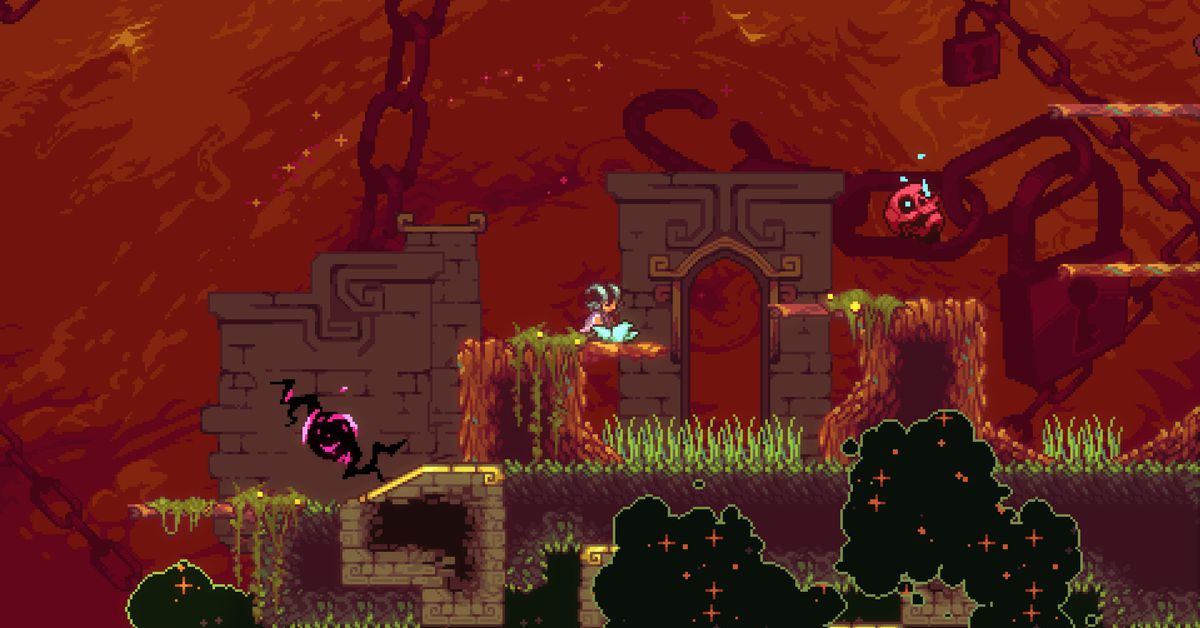
When Earthblade was first announced, expectations were sky-high. Following the immense success of Celeste, which won numerous awards for its heartfelt narrative and innovative gameplay, fans were eager to see what Maddy Makes Games would produce next. Earthblade promised to be a 2D exploration game with a focus on fluid movement and intricate world-building, drawing on the strengths that made Celeste so beloved.
Set in a vibrant, pixel-art world, Earthblade was envisioned as a journey through a mystical realm, filled with unique characters and challenging gameplay. The developers hinted at a deeper narrative that would explore themes of identity and connection, much like their previous work. However, the journey from concept to execution proved to be fraught with difficulties.
Challenges Faced During Development
While the specific reasons behind the cancellation of Earthblade have not been fully disclosed, several challenges are commonly faced by indie developers that could shed light on this situation:
- Resource Limitations: Indie studios often operate on tight budgets and limited manpower. As development progresses, the need for additional resources can become a significant hurdle. Maddy Makes Games, despite its success with Celeste, may have encountered difficulties in scaling operations to meet the ambitious goals set for Earthblade.
- Creative Direction and Vision: Maintaining a clear creative vision is crucial in game development. As projects evolve, the original concept can become diluted or lost altogether. It’s possible that Earthblade underwent numerous shifts in direction, leading to confusion and frustration within the team.
- Market Expectations: The gaming industry is notoriously fickle, and fan expectations can sometimes lead to undue pressure on developers. Following Celeste’s success, the weight of creating a worthy successor may have felt overwhelming for the team.
- Health and Well-Being: The mental health of developers is an often-overlooked aspect of game creation. The crunch culture that pervades the industry can lead to burnout, affecting creativity and productivity. It’s important to prioritize the well-being of the development team, which could have influenced the decision to cancel Earthblade.
The Future of Maddy Makes Games
The cancellation of Earthblade raises questions not just about the game itself, but also about the future of Maddy Makes Games. The studio has cultivated a passionate community of fans, and many are undoubtedly wondering what lies ahead. The team has expressed a commitment to transparency and connecting with their audience, which could pave the way for future projects.
As the developers take time to reassess their goals, it’s crucial for them to focus on their core strengths. Celeste was celebrated not only for its gameplay but also for its story and emotional resonance. Future projects could benefit from a return to those roots, perhaps exploring new narratives or gameplay mechanics in a different context.
Lessons from the Cancellation
While the news of Earthblade’s cancellation is disappointing, it offers valuable lessons for both developers and fans alike:
- Patience in Development: Game development is a complex and often unpredictable process. Fans should be encouraged to support developers in their creative journeys, understanding that sometimes projects must be shelved to prioritize quality and well-being.
- Open Communication: Transparency between developers and players can foster a healthier community. Maddy Makes Games has shown a willingness to engage with their audience, and this approach can help set realistic expectations in the future.
- Prioritizing Mental Health: The importance of mental health in creative fields cannot be overstated. Studios should prioritize their team’s well-being, as a healthy work environment often leads to better outcomes.
The Broader Implications for Indie Game Development
The cancellation of Earthblade is emblematic of a larger trend within the indie gaming scene. As more developers enter the market, the competition has become increasingly fierce. The pressure to deliver standout titles can lead to burnout and project cancellations, as seen here.
Moreover, the financial landscape for indie games has changed. With rising development costs and marketing expenses, securing funding can be a significant challenge. This shift can force studios to make difficult decisions about their projects, sometimes resulting in the abandonment of ambitious titles.
Looking Ahead: A Hopeful Future
While the cancellation of Earthblade serves as a sobering reminder of the challenges in game development, it doesn’t spell doom for Maddy Makes Games or the indie gaming scene as a whole. The studio has a track record of creating impactful experiences, and with the lessons learned from this experience, they have the potential to create something even more remarkable in the future.
Moreover, the community’s response can play a crucial role in shaping the studio’s next steps. Fans who remain supportive and understanding can provide the encouragement needed for developers to continue taking creative risks. As we look to the future, it’s vital to remember that every setback can lead to new opportunities.
Conclusion
The announcement of the cancellation of Earthblade is undoubtedly a setback for both Maddy Makes Games and its fans. However, it opens the door for reflection and growth. By addressing the challenges faced during development and prioritizing the well-being of their team, the studio can emerge stronger and more focused on delivering remarkable gaming experiences. The future remains bright for indie developers, and with patience and support, we may yet see the next great adventure unfold.
See more CNET Live