
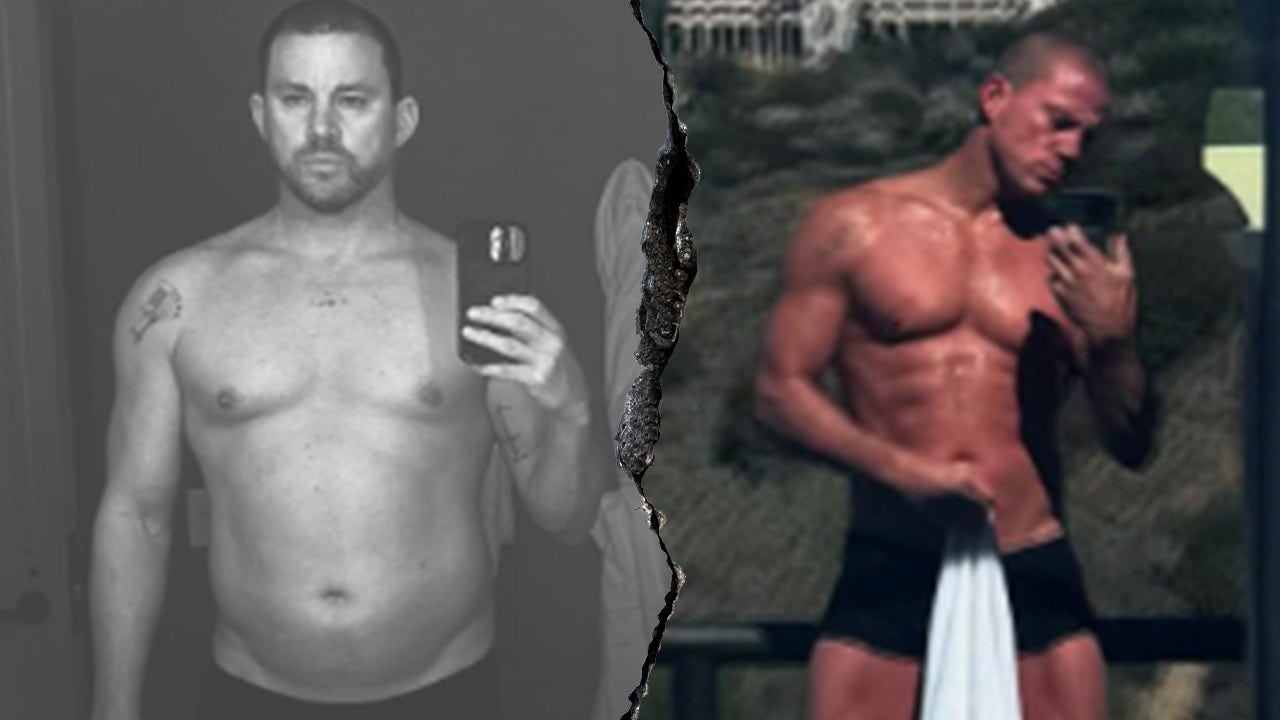
Channing Tatum’s Transformation: A Stand Against ‘Fat Roles’ in Hollywood
Channing Tatum has recently made waves in the entertainment industry, igniting discussions about body image and representation in film. After shedding 30 pounds, Tatum has openly declared his refusal to take on roles that perpetuate negative body stereotypes, especially those characterized as ‘fat roles.’ This bold transformation not only showcases his personal journey but also sheds light on a growing movement within Hollywood that seeks to challenge outdated perceptions of body image.
Understanding Channing Tatum’s Journey
Channing Tatum, known for his charismatic performances in films like *Magic Mike* and *21 Jump Street*, has always embodied a certain physical ideal in Hollywood. However, recently, he has taken a stance that prioritizes self-acceptance and positive body representation. His transformation is not merely about physical appearance; it symbolizes a deeper commitment to challenging the norms that have long dictated how actors portray characters of varying body types.
In his quest for health and well-being, Tatum’s decision to lose weight was not motivated solely by the demands of a specific role. Instead, it was a conscious choice to embrace a healthier lifestyle. He has been candid about the emotional and psychological aspects of body image, discussing how the pressure of the industry can lead to unhealthy habits and negative self-perception.
The Impact of ‘Fat Roles’ in Hollywood
Channing Tatum’s refusal to accept ‘fat roles’ opens up a broader conversation about the implications of such portrayals in film and television. Historically, Hollywood has often relied on stereotypes to define characters, especially those with larger body types. These roles are frequently comedic, depicting individuals as the butt of jokes or as incapable of serious narratives. This not only marginalizes those who do not fit the conventional mold but also reinforces harmful stereotypes about body image.
- Reinforcement of Negative Stereotypes: Characters assigned ‘fat roles’ are often depicted as lazy, unmotivated, or unhealthy, which can perpetuate societal stigma against larger body types.
- Lack of Diversity in Representation: There is a notable scarcity of nuanced characters who are larger in size, leading to unbalanced representation in media.
- Impact on Mental Health: Such portrayals can have detrimental effects on the self-esteem and body image of viewers, particularly young audiences who may internalize these stereotypes.
Challenging the Status Quo
Tatum’s stance against taking on these roles is a call to action for the film industry. By taking a stand, he encourages other actors and filmmakers to rethink how they approach character development and storytelling. The movement towards more inclusive representation is gaining momentum, with several actors and creators advocating for authenticity in body representation.
Through his transformation, Tatum embodies a shift towards embracing diverse body types and narratives. By prioritizing roles that reflect a more realistic and positive portrayal of individuals, he sets a precedent for future generations of actors and filmmakers alike.
Broader Conversations About Body Image
The conversation sparked by Tatum’s transformation extends beyond Hollywood. It resonates with audiences globally, as more people are advocating for body positivity and acceptance. Body image issues are pervasive, affecting individuals of all ages and backgrounds, and the pressure to conform to specific standards can lead to serious mental health challenges.
As societal norms begin to shift, there is a growing recognition of the need for diverse representation in all areas of media. This includes not just actors but also directors, writers, and producers who can bring fresh perspectives to storytelling. By showcasing a variety of body types, the film industry can contribute to a more inclusive culture that celebrates individuality rather than conformity.
Channing Tatum’s Influence on Future Generations
Channing Tatum’s transformation and his stand against ‘fat roles’ can inspire many, especially young individuals navigating their own body image challenges. His story is a testament to the power of self-acceptance and the importance of prioritizing health over societal expectations. As he continues to evolve as an actor and public figure, Tatum reinforces the idea that talent and character should not be confined to physical appearance.
Moreover, his influence encourages discussions among peers and fans about what it means to be healthy and happy in one’s own skin. It serves as a reminder that every individual, regardless of their body type, deserves to be represented on screen in a way that is respectful and authentic.
The Future of Body Representation in Film
As Tatum and others like him advocate for change, the film industry may slowly begin to reflect the rich diversity of its audience. The movement towards inclusive representation is gaining traction, with more projects highlighting stories that celebrate different body types and experiences. Here are some potential future developments in body representation in Hollywood:
- Increased Audition Opportunities: Casting directors may begin to seek a wider range of body types for roles, allowing for authentic portrayals that resonate with diverse audiences.
- Storytelling from Different Perspectives: Writers and directors can create narratives that focus on characters’ experiences beyond their physicality, enriching the storytelling landscape.
- Advocacy for Body Positivity: More public figures may use their platforms to advocate for body positivity, encouraging fans to embrace their uniqueness.
Conclusion
Channing Tatum’s transformation stands as a powerful statement against the traditional norms that have dominated Hollywood for decades. His refusal to take on ‘fat roles’ not only marks a personal milestone but also contributes to an essential dialogue about body image, representation, and inclusivity in the film industry. As discussions around these topics grow, they pave the way for a more diverse and accepting narrative landscape that honors the individuality of every person. Ultimately, Tatum’s journey encourages us all to stand tall against stereotypes and embrace our authentic selves.
See more CNET Live