
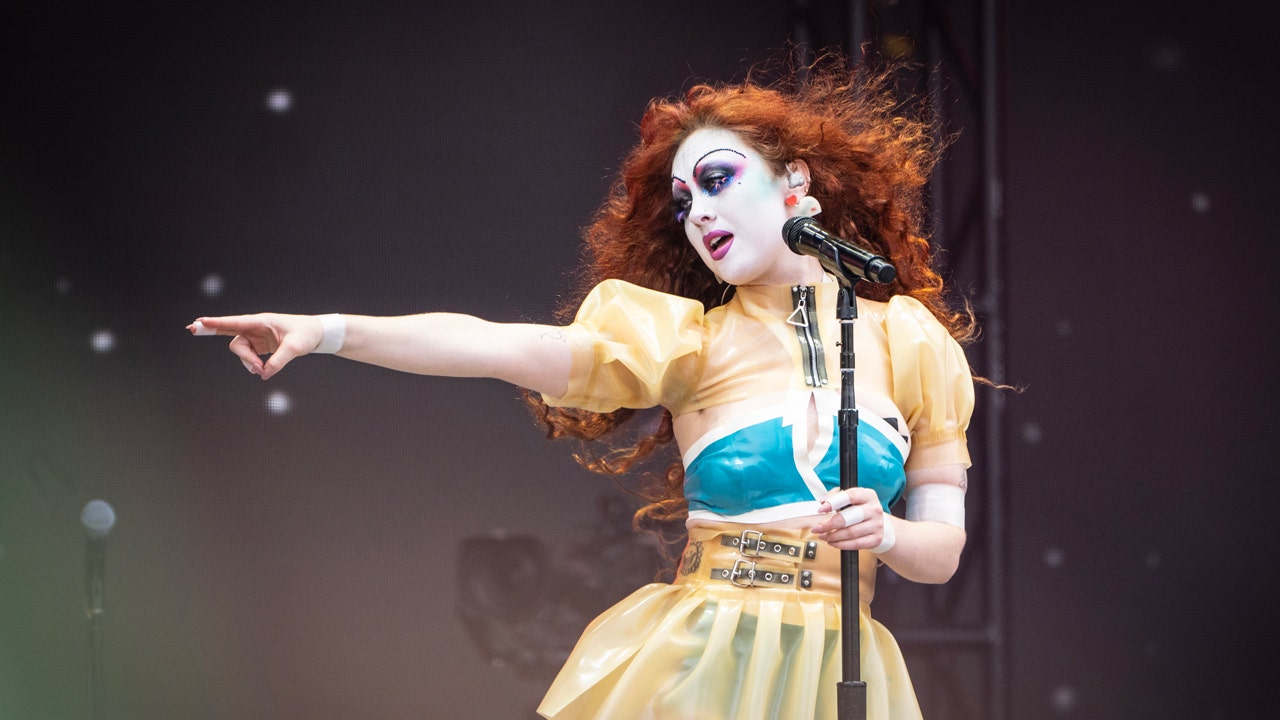
Chappell Roan Opens Up: The Impact of Her Bold Critique on Fan Interaction
In a world where celebrity culture often glosses over uncomfortable truths, Chappell Roan has emerged as a refreshing voice, unafraid to tackle serious issues head-on. Recently, the pop sensation expressed her concerns regarding what she described as “predatory” behavior within the entertainment industry. This bold stance has led to unexpected consequences, particularly in her relationship with fans. Roan has noted a marked hesitation among her admirers to approach her, a dynamic that raises questions about the artist-audience relationship in today’s cultural landscape.
Understanding Chappell Roan’s Bold Critique
Chappell Roan, known for her catchy tunes and vibrant performances, has always been passionate about issues affecting her generation. Recently, she took to social media and interviews to voice her discomfort with predatory behavior, particularly within the music and entertainment industries. She highlighted stories of young artists who have been exploited, emphasizing the need for a safer environment where talent can thrive without fear of manipulation.
Roan’s critique is not merely a call to action; it’s a reflection of her personal experiences and an acknowledgment of a wider problem. By sharing her story, she aims to empower others to speak out and create a community of support among artists. However, this boldness has had an unintended effect on her interactions with fans.
Fans Hesitate: A Shift in Dynamics
After Roan’s outspoken remarks, many of her fans reported feeling apprehensive about approaching her. This hesitation stems from a variety of factors:
- Fear of Misinterpretation: Fans worry that their intentions may be misconstrued as inappropriate or predatory, especially in light of Roan’s recent comments.
- Respect for Boundaries: Given her emphasis on personal safety and consent, fans may feel it’s best to maintain a respectful distance.
- Awareness of Social Issues: The current cultural climate encourages individuals to be more mindful of how they interact with public figures, particularly in light of discussions around consent and boundaries.
This shift signifies a significant change in how fans navigate their relationships with artists. Roan’s critique has sparked a broader conversation about the responsibilities of both artists and fans within the entertainment industry.
The Complexity of Artist-Audience Relationships
The relationship between artists and their fans has always been complex. Artists often rely on their followers for support, while fans seek connection and validation from the celebrities they admire. However, when an artist like Roan speaks out about serious issues, it can create a rift that complicates this relationship.
In Roan’s case, her bold critique of predatory behavior has led to a more cautious approach from her fans. While it is essential for artists to advocate for change, it is equally important to maintain accessibility and approachability. The challenge lies in balancing these two aspects.
Why This Conversation Matters
Chappell Roan’s experience highlights a critical conversation that extends beyond her individual circumstances. Here are several reasons why this dialogue is important:
- Empowerment Through Vulnerability: Roan’s willingness to share her experiences empowers others to do the same. When artists speak out, they inspire fans and others in the industry to confront and address issues of exploitation and predatory behavior.
- Redefining Fan Interactions: As fans become more aware of the implications of their interactions with artists, it leads to a more respectful culture that prioritizes consent and personal boundaries.
- Cultural Shift in the Industry: Roan’s critique may contribute to a larger cultural shift within the entertainment industry, encouraging more artists to speak out about their experiences and advocate for change.
Building a Supportive Community
While it’s crucial for fans to feel empowered to approach their favorite artists, it’s equally important for artists like Chappell Roan to foster a space where such interactions are encouraged. Here are a few ways that Roan and similar artists can build a more supportive community:
- Open Dialogues: Roan can engage in discussions with her fans about boundaries and consent, helping to clarify her position while inviting them to share their thoughts and experiences.
- Fan Events: By hosting events that focus on empowerment and community, Roan can create safe spaces for her fans to interact with her and each other, fostering a sense of belonging.
- Utilizing Social Media: Roan can leverage her social media platforms to share stories of support and positivity, encouraging a culture of openness and understanding.
Conclusion: Striking a Balance
Chappell Roan’s candid discussion of predatory behavior has opened up vital conversations about safety, empowerment, and the artist-fan dynamic. While her fans may hesitate to approach her after her bold critique, this moment presents an opportunity for growth and understanding on both sides. By fostering an environment of respect and open dialogue, Roan can maintain her critical stance while remaining accessible to those who support her.
In a world that often overlooks the complexities of personal interactions, Chappell Roan stands as a beacon for change, encouraging both artists and fans to navigate this landscape with care, empathy, and respect. As the conversation continues, it will be fascinating to see how this dynamic evolves and contributes to a healthier culture within the entertainment industry.
See more CNET Live