
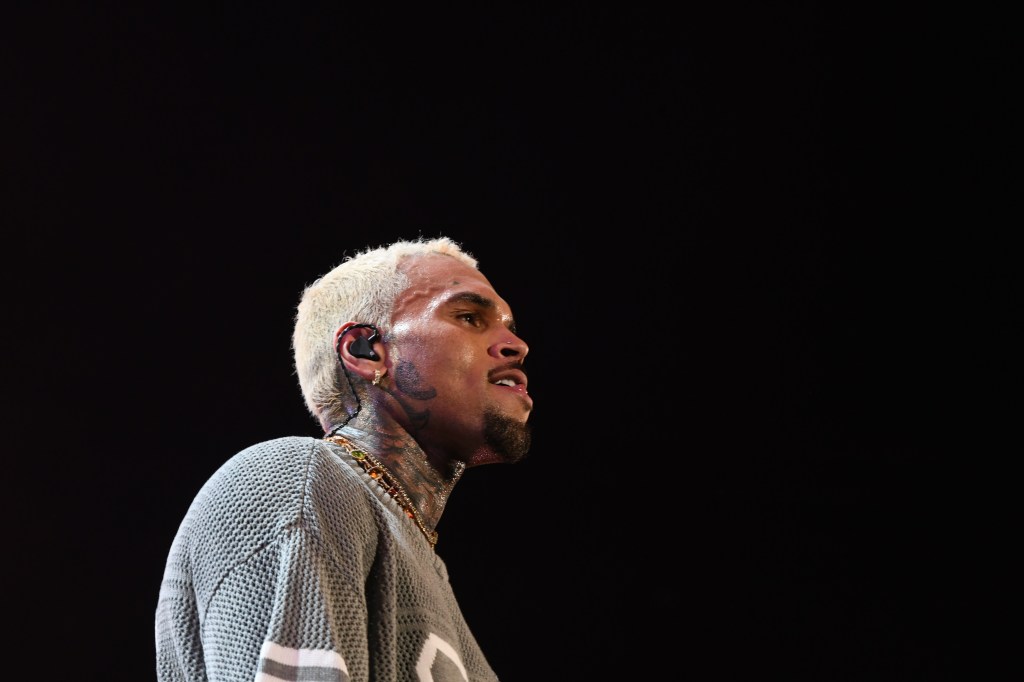
Chris Brown Takes a Stand: The $500 Million Defamation Lawsuit Against Warner Bros. Discovery
In a dramatic and high-stakes legal maneuver, R&B superstar Chris Brown has filed a colossal $500 million defamation lawsuit against Warner Bros. Discovery. This lawsuit has emerged in response to recent sexual assault allegations that surfaced in a controversial docuseries released by the media giant. Brown’s legal team argues that these allegations are not only sensationalized but also patently false, igniting a firestorm of discussion surrounding media ethics, celebrity accountability, and the lasting impact of public perception.
Background of the Allegations
The allegations against Chris Brown are not new; they have been a part of his tumultuous public image for years. However, the recent docuseries has reignited old wounds and brought forth new narratives that Brown claims are defamatory. The series paints a picture of a star plagued by controversies, focusing heavily on past incidents of violence and alleged sexual misconduct.
Brown’s history includes a 2009 incident involving his then-girlfriend Rihanna, which resulted in criminal charges and significant media scrutiny. Since then, he has faced various allegations, and while some were settled or dropped, the stigma remains. Brown asserts that the docuseries exploits his past to attract viewers, regardless of the truth, thereby damaging his reputation and career.
The Legal Claims: What’s at Stake?
In his lawsuit, Brown claims that Warner Bros. Discovery has engaged in a calculated effort to smear his name. He argues that the docuseries distorts facts and presents unverified claims as truth. The $500 million figure is not arbitrary; it reflects not only potential lost earnings but also the emotional toll and reputational damage he has suffered.
Key components of the lawsuit include:
- False Claims: Brown contends that the docuseries presents allegations that are misleading and unsubstantiated.
- Emotional Distress: The singer argues that the series has caused him significant emotional distress, impacting his personal life and mental health.
- Reputational Harm: He claims the portrayal in the series has irreparably harmed his public image, affecting his fan base and professional opportunities.
Media Ethics and Celebrity Accountability
This lawsuit has reignited a crucial conversation about media responsibility and the ethics of sensationalism. The power of media to shape public perception cannot be underestimated, and with that power comes great responsibility. The question arises: how far can media outlets go in the pursuit of ratings before it becomes a question of ethics?
Brown’s case exemplifies the precarious balance between a person’s right to a fair portrayal and the media’s freedom of expression. Critics of Brown’s lawsuit argue that he is attempting to silence legitimate discourse about his past. However, supporters contend that the media often disregards factual accuracy in favor of a more engaging narrative, which can lead to harmful consequences for those involved.
The Public Reaction: Divided Opinions
As news of the lawsuit broke, public opinion quickly became polarized. On one side, supporters of Brown argue that he deserves a chance to defend himself against what they perceive as unjust allegations. They highlight the importance of due process and the potential for media narratives to unfairly vilify individuals without sufficient evidence.
Conversely, many critics maintain that Brown’s history warrants scrutiny and that the allegations are part of a broader conversation about accountability in the entertainment industry. They argue that celebrities should be held to a high standard, particularly in cases involving accusations of violence and abuse.
The Broader Implications of the Lawsuit
This lawsuit is not just about Chris Brown; it has implications for the entire media landscape. If Brown wins, it could set a precedent for how media outlets handle allegations against public figures. It could also encourage other celebrities to challenge potentially defamatory portrayals, leading to a shift in how stories are reported.
Moreover, this case raises questions about the role of celebrity culture in the justice process. In an era where social media can amplify allegations and destroy careers overnight, the balance between public opinion and legal standards is increasingly tenuous.
Potential Outcomes and Future Considerations
The outcome of this lawsuit remains uncertain, but several scenarios could unfold:
- Settlement: Warner Bros. Discovery may choose to settle the lawsuit out of court to avoid a prolonged legal battle and further negative publicity.
- Trial: If the case goes to trial, it could expose the inner workings of the entertainment industry and the media’s role in shaping celebrity narratives.
- Change in Media Practices: A ruling in favor of Brown could lead to more stringent standards for media reporting on allegations against public figures.
Regardless of the outcome, this lawsuit underscores the ongoing tension between media representation and celebrity accountability. As society grapples with issues of truth, perception, and justice, cases like Chris Brown’s may serve as critical touchpoints for discussions about the rights of individuals within the public eye.
Chris Brown’s $500 million defamation lawsuit against Warner Bros. Discovery is more than just a legal battle; it’s a reflection of the complexities surrounding media portrayal, celebrity culture, and the quest for accountability. As the case unfolds, it will undoubtedly provoke further dialogue about the responsibilities of both the media and the public in shaping narratives about individuals, particularly those in the spotlight.
In an era where information spreads rapidly and public perception can shift with a single headline, the stakes are higher than ever. For Chris Brown, this lawsuit represents a stand against what he perceives as an unjust attack on his character. For the media, it may serve as a wake-up call to prioritize accuracy and ethics over sensationalism. The outcome of this lawsuit will likely reverberate through both the legal and entertainment worlds for years to come.
See more CNET Live