
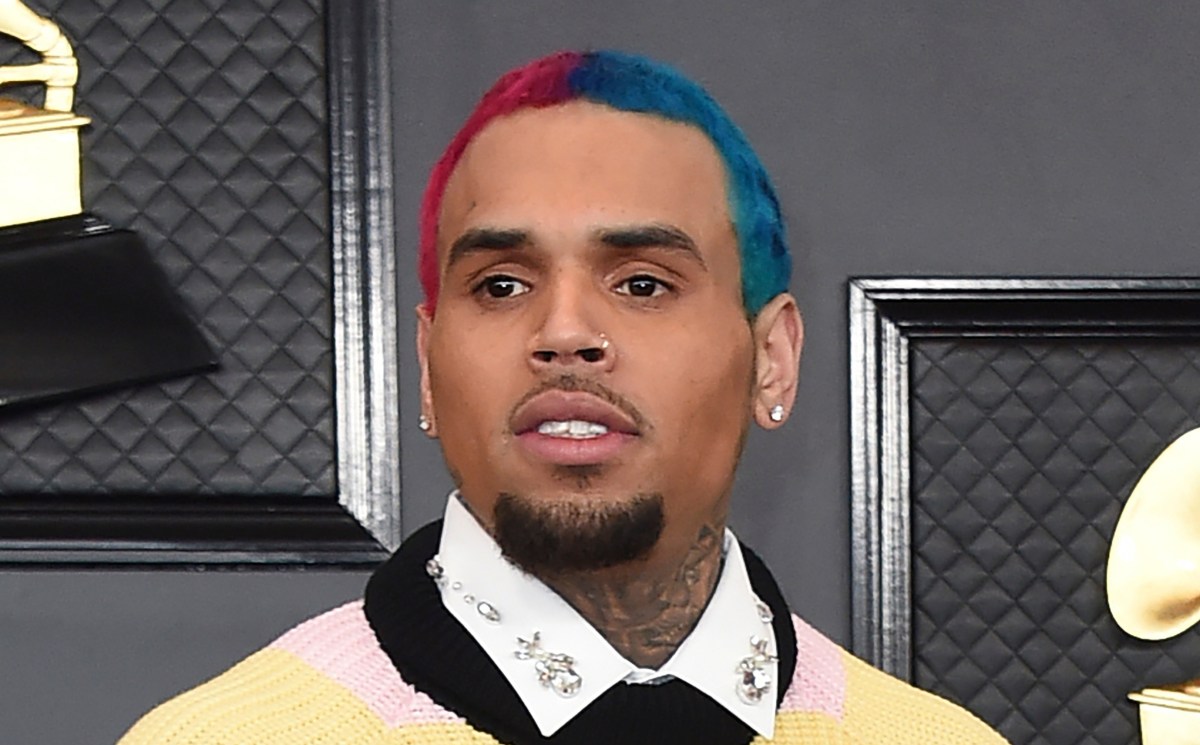
Chris Brown Takes Legal Action Against Warner Bros. for $500 Million
In a surprising turn of events, music artist Chris Brown has filed a staggering $500 million lawsuit against Warner Bros. This legal battle raises questions about the entertainment industry’s complex relationships and the financial stakes involved. The lawsuit has sent shockwaves through the industry, prompting discussions about contracts, artist rights, and the responsibilities of major record labels.
Background of the Dispute
Chris Brown, known for his chart-topping hits and dynamic performances, has had a long and tumultuous career. Over the years, he has faced numerous legal challenges, but his latest action against Warner Bros. marks a significant escalation. The lawsuit reportedly stems from disputes over contractual obligations and alleged breaches by the studio, which Brown claims have hindered his artistic output and financial gain.
According to initial reports, Brown alleges that Warner Bros. has failed to fulfill its contractual promises regarding marketing and promotional support for his upcoming projects. The artist contends that this lack of support has not only stalled his career but has also caused significant financial losses, prompting him to seek compensation that reflects those damages.
The Legal Ramifications
Legal experts suggest that Brown’s lawsuit could set a precedent for how artists engage with major record labels. The entertainment industry has often been scrutinized for its treatment of artists, and this case may highlight the often-unequal power dynamics at play. Chris Brown’s bold move to sue for such a colossal amount signals a shift towards more aggressive legal strategies among artists seeking fairness and transparency in their dealings.
- Contractual Obligations: At the heart of the lawsuit are the specific terms outlined in Brown’s contract with Warner Bros. If he can prove that the label did not uphold its end of the agreement, he may have a strong case.
- Financial Implications: The $500 million figure is not arbitrary; it reflects projected earnings from album sales, tours, and endorsements that Brown claims he has missed out on due to Warner Bros.’ negligence.
- Precedent Setting: If successful, this lawsuit may embolden other artists to take similar actions against their labels, potentially leading to a wave of litigation in the industry.
Insights into the Music Industry
The relationship between artists and their labels is complex and fraught with tension. Artists often rely heavily on their labels for financial backing, promotional efforts, and distribution networks. However, as seen in cases like Brown’s, these relationships can become contentious. Key insights into this dynamic include:
- Artist Autonomy: Many artists are now advocating for greater control over their creative processes and financial futures. Lawsuits like Brown’s are indicative of a larger trend where artists are unwilling to accept unfavorable terms.
- Impact of Social Media: In today’s digital age, artists can connect directly with their fans, diminishing the need for traditional promotion. This shift may influence how contracts are negotiated moving forward.
- Financial Literacy: With the rise of independent artists and self-publishing, there’s a growing emphasis on financial literacy within the music community. Artists are becoming savvier about their rights and the implications of their contracts.
The Human Element: Chris Brown’s Journey
Chris Brown’s career has been marked by both immense success and significant personal challenges. From his rise to fame as a teenager to his ongoing struggles with public perception, he has navigated a turbulent path. His decision to take legal action against Warner Bros. can be seen as a reclamation of power after years of ups and downs.
By taking this bold step, Brown is not only advocating for himself but also for countless other artists who may feel trapped in similar situations. The emotional toll of navigating the entertainment industry can be overwhelming, and legal battles such as this one often represent a last resort for artists seeking justice.
Potential Outcomes and Industry Reactions
The outcome of Chris Brown’s lawsuit against Warner Bros. could have a ripple effect throughout the music industry. Should he win, it may lead to more artists standing up against their labels and demanding greater transparency and fairness. Conversely, if Warner Bros. prevails, it could reinforce the status quo and discourage similar actions in the future.
Industry insiders have expressed varied opinions on the lawsuit. Some view it as a necessary step towards reforming artist-label relationships, while others caution that it could lead to more restrictive contracts as labels seek to protect themselves from future lawsuits.
Conclusion: A New Era for Artists?
Chris Brown’s legal action against Warner Bros. for $500 million is a striking development in the entertainment landscape. It shines a light on the often-overlooked challenges artists face and raises important questions about the fairness of contractual agreements in the music industry.
As the case unfolds, it will be crucial for both artists and labels to engage in open dialogue about their expectations and obligations. The outcome of this lawsuit may well define the future of artist-label relations, potentially ushering in a new era of accountability and respect within the industry.
Ultimately, whether Chris Brown wins or loses, his decision to fight for what he believes is right demonstrates the power of artists taking a stand. In an industry where financial stakes are incredibly high, this legal battle could be a turning point that inspires a wave of change, benefiting not only Brown but artists across the board.
See more CNET Live