
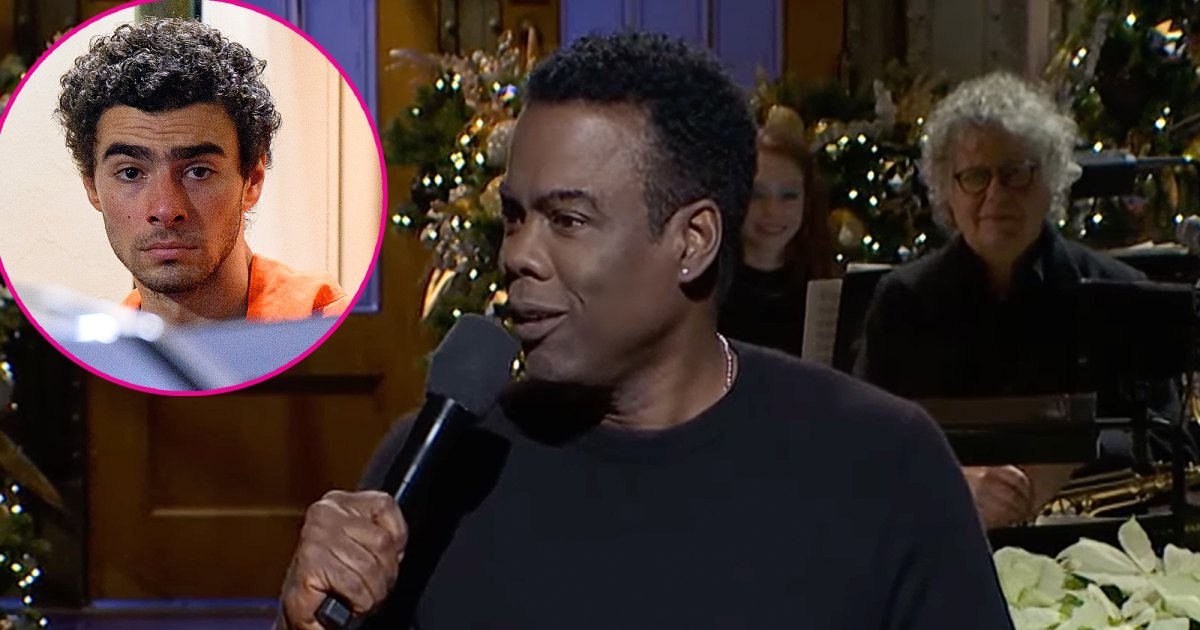
Chris Rock’s SNL Monologue: A Reflection on Healthcare and Celebrity Culture
In a recent episode of Saturday Night Live, comedian Chris Rock took to the stage to deliver a poignant yet humorous monologue reflecting on the passing of UnitedHealthcare’s CEO. This segment not only paid tribute to the late executive but also illuminated the complex relationship between healthcare, corporate leadership, and the public’s perception of celebrity influence in these realms. Rock, known for his sharp wit and insightful commentary, managed to blend comedy with a heartfelt message, prompting discussions that extend far beyond the confines of the late-night comedy format.
The Intersection of Comedy and Tragedy
Rock’s monologue serves as a reminder of how comedy can be a powerful tool for processing grief and societal issues. By addressing the death of a high-profile figure in the healthcare industry, he opened a dialogue on several important topics:
- Healthcare Accessibility: The passing of a CEO raises questions about the future of the company and its commitment to providing accessible healthcare.
- Cultural Impact of Celebrity: Rock’s celebrity status allows him to discuss serious issues in a way that resonates with a broader audience.
- Corporate Responsibility: The role of CEOs in shaping the policies and practices of healthcare organizations is critical, and their legacies often affect millions.
Humor as a Reflection of Society
Rock’s ability to weave humor into serious topics has long been a hallmark of his career. In the SNL monologue, he likely used satire to highlight the absurdities of the healthcare system, which often prioritizes profit over patient care. By drawing attention to the dichotomy between the corporate world and the everyday experiences of individuals seeking healthcare, Rock encourages the audience to reflect on their own experiences with the system.
Analyzing the Current State of Healthcare in America
The passing of a prominent figure like the CEO of UnitedHealthcare prompts a broader analysis of the current healthcare landscape in the United States. Here are some critical issues to consider:
1. The Rising Cost of Healthcare
Healthcare costs continue to rise in the U.S., with many individuals facing financial hardships due to medical bills. According to a report from the Kaiser Family Foundation, the average premium for employer-sponsored family health coverage reached $21,342 in 2021, a significant increase from previous years. This trend raises questions about the effectiveness of leadership within healthcare corporations.
2. The Role of Insurance Companies
Insurance companies like UnitedHealthcare play a pivotal role in determining access to care. Their policies can significantly impact the affordability and availability of medical services for millions of Americans. The death of a CEO can lead to shifts in corporate strategy that affect everything from coverage options to pricing structures.
3. The Need for Reform
Rock’s commentary may also ignite discussions about the need for healthcare reform. Many consumers advocate for a system that prioritizes patient care over profit, emphasizing the importance of transparency and accountability in the healthcare industry. As more people voice their frustrations, the pressure on corporations to change their practices increases.
The Cultural Significance of Rock’s Monologue
Rock’s SNL monologue serves as more than just entertainment; it acts as a cultural commentary that resonates with a wide audience. The blending of humor and tragedy allows for a unique exploration of serious topics, prompting viewers to engage with the material on a deeper level. Here are some implications of this cultural significance:
- Encouraging Public Discourse: By addressing healthcare issues through comedy, Rock encourages audiences to discuss these important topics with friends and family.
- Empowering Patients: Highlighting the struggles within the healthcare system can empower patients to advocate for themselves and seek better care.
- Influencing Policy Change: Humor can be a vehicle for social change, motivating individuals to call for reforms that improve the healthcare system.
The Future of Healthcare Leadership
As the healthcare landscape continues to evolve, the death of influential leaders will inevitably shape the direction of major companies like UnitedHealthcare. The incoming leadership must navigate the complexities of a system under scrutiny and work towards fostering a more equitable healthcare environment. Key considerations for future leaders include:
1. Commitment to Transparency
Transparency in healthcare practices can build trust with consumers. Future CEOs should prioritize clear communication regarding pricing, coverage, and policies.
2. Focus on Patient-Centered Care
Shifting the focus from profit to patient care can significantly improve health outcomes. Leadership that prioritizes the needs of patients will likely lead to better overall satisfaction with the healthcare system.
3. Advocacy for Systemic Change
Healthcare leaders should advocate for systemic changes that address the root causes of the current challenges. This could include supporting legislation aimed at reducing costs and improving access.
Conclusion: Comedy as a Catalyst for Change
Chris Rock’s SNL monologue not only served as a tribute to the late UnitedHealthcare CEO but also sparked vital conversations about the healthcare system in America. By infusing humor into serious discussions, Rock highlights the absurdities of a system that often leaves individuals feeling powerless. As audiences reflect on his words, there is potential for a cultural shift that emphasizes the need for reform, transparency, and patient-centered care in the face of ongoing challenges. Ultimately, the intersection of comedy and healthcare may serve as a catalyst for change, encouraging a more engaged and informed public.
See more CNET Live