
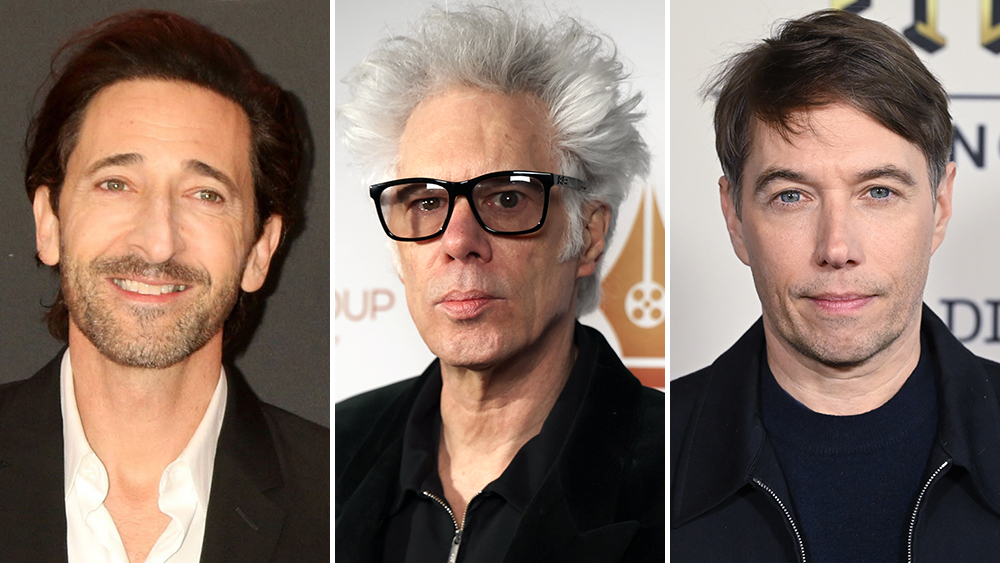
Filmmakers Unite: A Bold Stand Against Climate Denial at NY Film Critics Circle Awards
The recent NY Film Critics Circle Awards served not only as a celebration of cinematic achievements but also as a platform for filmmakers to voice their concerns regarding pressing global issues. Among the many speeches delivered, acclaimed directors Jim Jarmusch and Sean Baker stood out, passionately addressing the urgent matter of climate change. Their powerful remarks, accompanied by an emotional response from actor Adrien Brody, highlighted the film industry’s responsibility to confront climate denial and advocate for environmental action. This article delves into their statements, the broader implications for the film industry, and how art can serve as a catalyst for change in the face of climate challenges.
Climate Change: A Central Theme in Modern Cinema
In recent years, climate change has increasingly become a prominent theme in cinema. Filmmakers are recognizing the power of storytelling to influence public perception and inspire action. From documentaries like “Before the Flood” to narrative films such as “The Day After Tomorrow,” the cinematic landscape is rich with narratives that emphasize the gravity of climate issues.
During the NY Film Critics Circle Awards, Jim Jarmusch, known for his innovative storytelling and unique perspectives, took the stage to address climate denial directly. He articulated the frustrations many in the creative community feel about the lack of urgency in tackling climate issues. Jarmusch’s impassioned speech resonated with many, emphasizing that the continued denial of climate science not only endangers the planet but also undermines the artistic community’s role in shaping societal values.
Sean Baker’s Perspective: A Call for Accountability
Following Jarmusch, Sean Baker, celebrated for his groundbreaking films like “The Florida Project,” echoed similar sentiments. Baker emphasized the film industry’s potential to influence societal change and called for accountability. He pointed out that filmmakers have a unique platform to raise awareness about environmental crises, urging his peers to take a stand against climate denial.
Baker’s comments were particularly poignant as they highlighted the intersection of art and activism. By using their platforms, filmmakers can inspire audiences to recognize the importance of environmental stewardship. Baker underscored that the film industry, which often reflects societal values, has a responsibility to portray climate issues authentically and urgently.
Adrien Brody’s Emotional Response: The Human Impact of Climate Change
Actor Adrien Brody’s emotional response added a deeply personal dimension to the discussions surrounding climate change. With evident sincerity, Brody shared his own experiences and concerns about the impact of climate change on communities worldwide. He expressed that the consequences of environmental neglect are not abstract; they affect real people, cultures, and ways of life.
Brody’s remarks served as a reminder that behind the statistics and scientific data, there are human stories that need to be told. His heartfelt plea for action resonated with many attendees, highlighting the crucial role that individual voices play in the larger narrative of climate advocacy.
The Role of Filmmakers in Climate Advocacy
The bold stand taken by these filmmakers at the NY Film Critics Circle Awards is indicative of a larger movement within the industry. As audiences become more conscious of environmental issues, filmmakers are increasingly using their art to challenge climate denial and promote sustainability. Here are some ways filmmakers can contribute to climate advocacy:
- Creating Awareness: Films can bring attention to lesser-known environmental issues, educating audiences on the urgency of climate action.
- Inspiring Action: Powerful storytelling can motivate viewers to engage in environmental activism and make sustainable choices.
- Collaborating with Activists: Filmmakers can partner with environmental organizations to amplify their messages through film.
- Implementing Sustainable Practices: The film industry itself can adopt green practices in production, reducing its carbon footprint.
The Industry’s Responsibility: Moving Beyond Art
While filmmaking is undoubtedly an art form, it is also a powerful tool for change. The film industry has a unique responsibility to address social issues, and climate change is among the most pressing of our time. As filmmakers unite to confront climate denial, they are not just advocating for the environment; they are also encouraging a shift in cultural narratives surrounding climate action.
Moreover, the recent surge in climate-themed films reflects a growing awareness within the industry. Documentaries like “Chasing Ice” and “Our Planet” have garnered critical acclaim while shedding light on the realities of climate change. These films serve as a testament to the fact that the industry is not only capable of entertaining but also of educating and inspiring its audience.
Looking Ahead: The Future of Film and Climate Advocacy
The NY Film Critics Circle Awards was a pivotal moment in the ongoing dialogue surrounding climate change and the responsibilities of filmmakers. As the industry moves forward, it is essential for filmmakers to continue this momentum, using their platforms to advocate for a sustainable future. The collaboration between artists and activists can lead to innovative solutions and increased awareness, sparking a cultural shift toward environmental consciousness.
In conclusion, the passionate addresses by Jim Jarmusch, Sean Baker, and Adrien Brody at the NY Film Critics Circle Awards exemplified the power of film as a medium for social change. Their bold stand against climate denial serves as a rallying cry for the industry and audiences alike. As filmmakers unite in this effort, they not only elevate the conversation around climate change but also inspire hope for a more sustainable future. The intersection of art and activism is not just a trend; it’s a necessity in our fight against climate change.
See more CNET Live