
Club Chalamet Founder Condemns ‘Malicious’ Celebration of Home Loss
The recent remarks by the founder of Club Chalamet have sparked significant discourse surrounding the dark undercurrents of societal values and the lack of empathy in contemporary culture. The founder condemned what they termed the ‘malicious’ celebration of home loss, emphasizing that such actions are not only hurtful but also indicative of a deeper malaise affecting our society. This condemnation raises critical questions about the values we hold and the empathy we extend to others in times of crisis.
The Context of the Controversy
In a world increasingly polarized by social media, the amplification of negative sentiments has become a concerning trend. The Club Chalamet founder’s comments came in response to widespread online reactions that reveled in the destruction of homes, particularly those lost to natural disasters or social upheaval. Some individuals, emboldened by anonymity, have found pleasure in mocking the misfortunes of others, showcasing a troubling aspect of human behavior that many thought was relegated to the past.
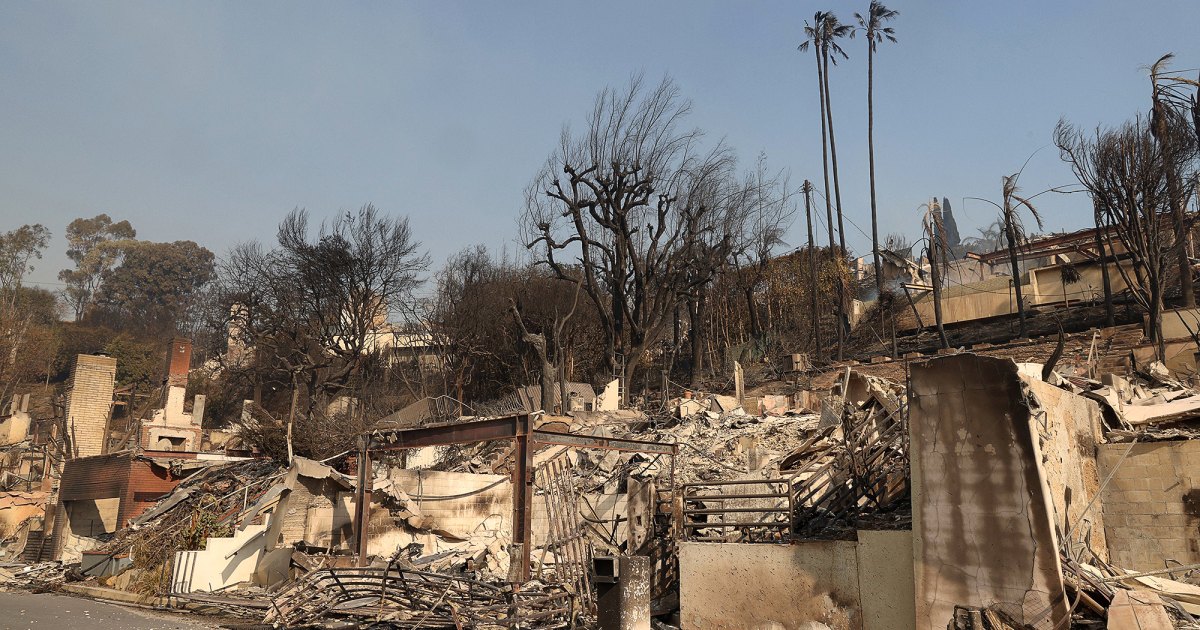
Such sentiments were notably observed during recent catastrophic events where properties were destroyed. Instead of offering support or expressing sympathy, a faction of individuals took to social platforms to deride the losses, turning grief into a spectacle. The founder of Club Chalamet pointed out that this behavior is not just insensitive; it is profoundly evil. It reflects a significant disconnect from the reality of others’ suffering and a failure to recognize the shared humanity that binds us all.
Understanding the Impact of Home Loss
Home is more than just a physical structure. It represents safety, stability, and identity for many individuals and families. The loss of a home can lead to devastating emotional and psychological effects, including trauma, anxiety, and a sense of hopelessness. The founder’s condemnation invites us to reflect on the repercussions of celebrating such losses.
- Emotional Toll: The loss of a home can lead to feelings of despair, especially for families who have invested their lives into creating a safe haven.
- Community Disruption: When a home is lost, it doesn’t just affect the individual; it ripples through the community, impacting local businesses and social networks.
- Long-term Consequences: The psychological impact can linger, affecting relationships, job performance, and overall well-being.
By celebrating the destruction of homes, individuals are effectively trivializing these profound experiences and perpetuating a cycle of negativity and harm. The founder’s remarks serve as a clarion call for empathy, urging society to reconsider its values and how we engage with one another during moments of crisis.
Societal Reflection and Values
The act of condemning the malicious celebration of home loss isn’t merely a critique of individual behavior; it signals a need for a broader societal reflection. What do our reactions to others’ suffering say about our values? Are we prioritizing entertainment over empathy? This situation prompts a deeper examination of our collective conscience and the kind of community we aspire to build.
In many ways, the founder’s comments resonate with a growing movement that seeks to foster kindness and compassion in public discourse. The online world is a double-edged sword; while it allows for the sharing of ideas and support, it also opens the door to cruelty and insensitivity. The challenge lies in navigating this landscape with a commitment to uplifting rather than tearing down.
Empathy and Its Importance
Empathy is the ability to understand and share the feelings of others, and it plays a crucial role in building strong communities. When we express empathy, we validate others’ experiences, fostering connections that can lead to healing and support. The founder’s stance is a reminder of the importance of empathy in our interactions, particularly in times of hardship.
- Building Connections: Empathy allows us to connect with others on a deeper level, creating bonds that transcend individual differences.
- Encouraging Support: When we show understanding, we encourage a culture of support where individuals feel safe to share their struggles.
- Promoting Healing: Empathy can be a powerful tool in the healing process, helping those in distress to feel acknowledged and cared for.
In a world that often feels fragmented, fostering empathy can pave the way for stronger, more resilient communities. The founder’s condemnation serves as a vital reminder that our actions and words hold power and that we can choose to uplift rather than harm.
Moving Forward: Cultivating a Culture of Compassion
As we reflect on the founder’s remarks, it is essential to consider actionable steps toward cultivating a culture of compassion. Here are some suggestions for individuals and communities:
- Promote Awareness: Engage in conversations about the impact of harmful behaviors and the importance of empathy in our interactions.
- Support Affected Individuals: Offer assistance to those who have lost their homes, whether through donations, volunteering, or simply listening to their stories.
- Challenge Negative Narratives: Use social media platforms to counteract negative comments and celebrate stories of resilience and support.
By taking these steps, we can collectively shift the narrative from one of celebration in the face of loss to one of understanding and support. The founder’s condemnation of the malicious celebration of home loss serves as a catalyst for this change, urging us all to reflect on our values and the impact of our words and actions.
Conclusion
The words of the Club Chalamet founder resonate at a critical juncture in our society. As we navigate the complexities of modern life, it is imperative that we choose empathy over malice, understanding over ridicule. Celebrating the loss of homes and the suffering of others reveals a disturbing aspect of human behavior that we must confront and change. Let us heed the call for compassion, fostering a culture where we uplift one another in times of need, and strive to create a world where empathy reigns supreme.
See more CNET Live