
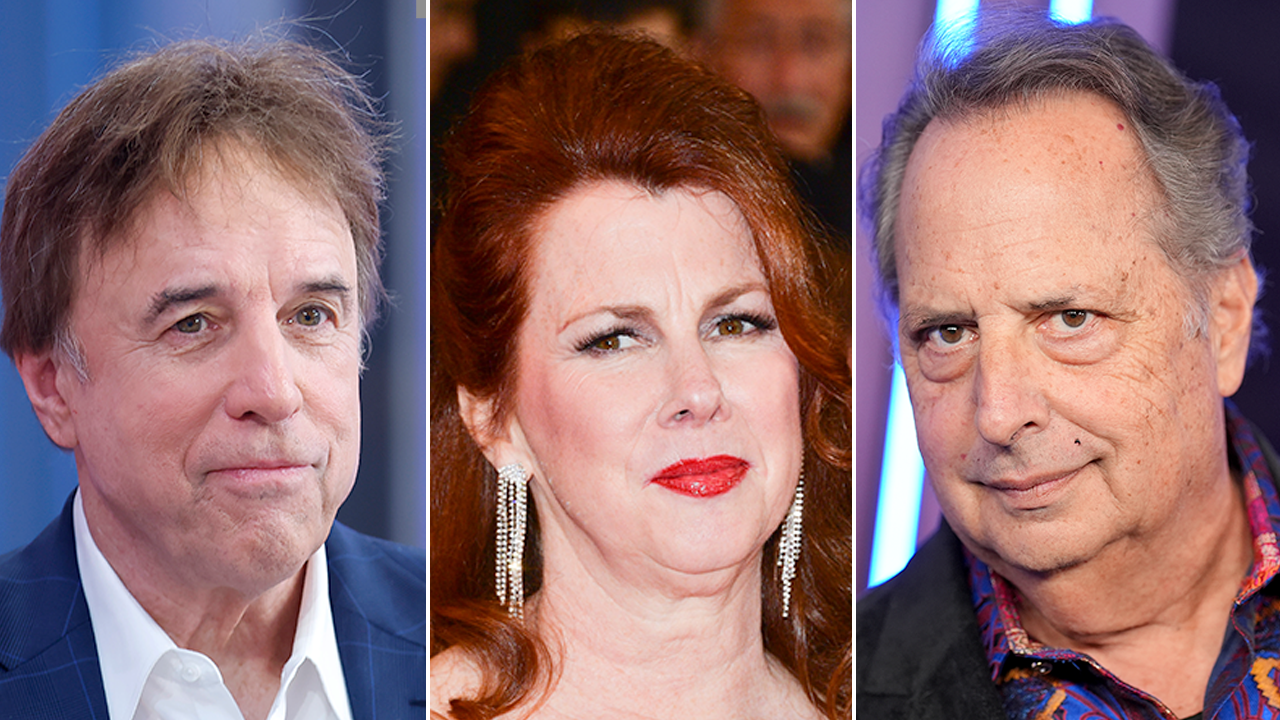
Comedy Evolution: How SNL Legends View the Shift Towards Snark and Politics
As the landscape of comedy transforms, it’s fascinating to explore how former SNL stars perceive the genre’s evolution, particularly its increasing political edge and sharper wit. This shift has not only changed the tone of humor but also reflects broader societal changes. What does this mean for the future of humor? Let’s dive deep into the insights of comedy legends and analyze the implications of this evolution.
A Brief History of SNL and Its Impact on Comedy
“Saturday Night Live” (SNL) first aired in 1975, quickly becoming a cultural phenomenon. Known for its unique blend of sketch comedy, musical performances, and celebrity guest appearances, SNL has been at the forefront of American humor for decades. The show’s format allowed comedians to tackle current events, celebrity culture, and social issues, setting a precedent for political satire. Over the years, SNL has produced numerous iconic comedians, including John Belushi, Gilda Radner, Will Ferrell, and Tina Fey, who each left an indelible mark on the comedy landscape.
Initially, SNL’s humor was characterized by a more playful and absurd style. However, as the political climate shifted, particularly during the Reagan and Clinton eras, the show began to incorporate sharper, more pointed satire. This evolution paved the way for the current generation of comedians, who often blend humor with social commentary.
The Current State of Comedy: Snark and Politics
Today, comedy is more intertwined with politics than ever before. The rise of social media has amplified this trend, allowing comedians to reach audiences directly and instantly. Former SNL cast members have noted this shift toward a more cynical and politically charged form of humor. David Spade, a veteran SNL alum, remarked, “Comedy used to be about making people laugh. Now it often feels like it’s about making a point.”
As political tensions escalate, many comedians have embraced a snarky tone, using humor as a tool for critique rather than simply entertainment. This shift can be attributed to several factors:
- The Polarization of Politics: The political landscape in the United States has become increasingly polarized, leading to heightened emotions and a greater need for satire.
- The Role of Social Media: Platforms like Twitter and Instagram allow comedians to share their takes on current events in real-time, making humor feel more immediate and relevant.
- Changing Audience Expectations: Audiences are now more demanding, seeking content that resonates with their views and experiences, often expecting comedians to take a stand on political issues.
Insights from SNL Legends
Many former SNL stars have shared their thoughts on the evolving landscape of comedy. Tina Fey, known for her sharp political satire during her tenure on SNL, expressed concern over the potential for humor to become overly cynical. “There’s a fine line between being funny and being mean,” she noted. This balance is crucial, as humor should ideally foster connection rather than division.
Meanwhile, Kenan Thompson, the longest-serving cast member in SNL history, highlighted the importance of humor as a coping mechanism. “In times of uncertainty, laughter can be a refuge,” he said. This perspective underscores the role of comedy in providing relief and perspective during tumultuous times.
The Future of Comedy: What’s Next?
As we look to the future of comedy, several trends are emerging that will likely shape its direction:
- Increased Diversity: The comedy world is becoming more inclusive, with voices from various backgrounds contributing to the narrative. This diversity brings fresh perspectives and humor styles that resonate with a broader audience.
- Integration of Technology: Virtual comedy shows and streaming platforms are changing how comedians engage with their audience, allowing for innovative formats and interactions.
- Political Engagement: As younger generations become more politically active, comedians may continue to use their platforms to raise awareness and encourage civic engagement.
The Role of Comedy in Society
Comedy has always served as a mirror to society, reflecting our values, fears, and aspirations. In today’s world, where political and social issues often dominate the headlines, the role of humor becomes even more significant. Comedians have the unique ability to address uncomfortable topics, challenge the status quo, and provoke thought through laughter.
For many, humor provides a sense of relief. It allows audiences to process complex emotions related to current events. Chris Rock, another SNL alum, aptly stated, “Comedy is just a way to deal with the things that scare you.” This sentiment captures the essence of what comedy can achieve—it can be both a source of joy and a vehicle for change.
Conclusion: Embracing Change in Comedy
The evolution of comedy, particularly as seen through the lens of SNL legends, highlights a shift toward a more politically charged and snarky form of humor. While this change may raise concerns about the potential for cynicism, it also opens doors for deeper engagement and connection with audiences. As comedians navigate this new terrain, they have the opportunity to inspire change, foster dialogue, and, most importantly, keep the spirit of laughter alive.
Ultimately, the future of humor lies in its ability to adapt and resonate with the times. By embracing change while remaining grounded in the foundational principles of comedy—connection, empathy, and joy—comedians can continue to enlighten and entertain audiences in ways that matter.
See more CNET Live