
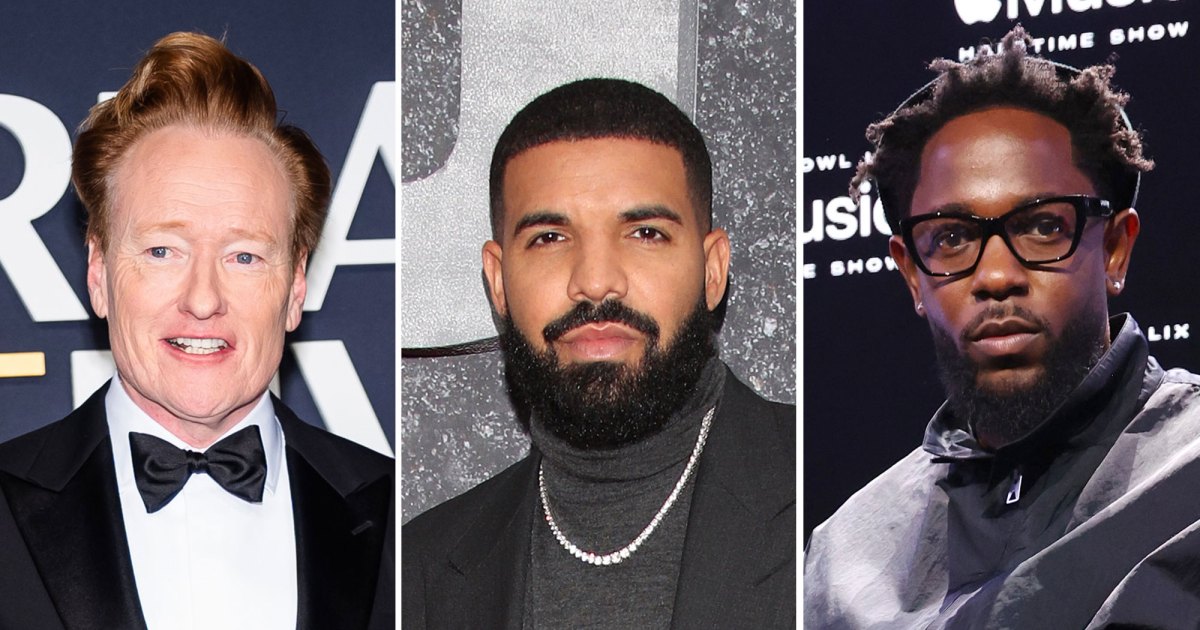
Behind the Controversy: Conan O’Brien Writer Addresses Oscars Joke Targeting Kendrick Lamar and Drake
The recent Oscars ceremony, a prestigious event celebrated for its recognition of cinematic excellence, took an unexpected turn when a joke aimed at renowned hip-hop artists Kendrick Lamar and Drake sparked a wave of backlash. The joke, crafted by a writer from Conan O’Brien’s team, aimed to strike a humorous chord but instead ignited a debate about cultural sensitivity and the evolving landscape of comedy. In this article, we delve into the controversy surrounding the joke, exploring insights from the writer involved and examining the broader implications for comedy in today’s society.
The Joke That Sparked Outrage
At the heart of the controversy was a quip made during the Oscars that referenced both Kendrick Lamar and Drake, two titans of the hip-hop genre. While the intention was to inject humor into the evening, many felt it crossed a line, particularly in how it addressed themes of race and identity within the music industry. The joke was perceived by some as indicative of a larger issue: the struggle to balance comedic expression with cultural awareness.
In an exclusive reflection, the writer from Conan O’Brien’s team acknowledged the backlash, stating, “Comedy has always pushed boundaries, but in doing so, it can unintentionally offend. We aimed to create a light-hearted moment, but I understand how it may have resonated differently with audiences.” This sentiment highlights a critical aspect of modern comedy—its inherent risk of misinterpretation in a diverse cultural landscape.
The Importance of Context in Comedy
One of the key factors in evaluating the backlash against the joke is understanding the context within which it was delivered. Comedy often relies on social commentary, and the Oscars, as a platform, is steeped in cultural significance. Jokes that reference prominent figures like Kendrick Lamar and Drake, both of whom have made substantial contributions to music and culture, carry weight beyond mere entertainment.
In navigating these waters, it’s essential for comedians and writers to consider not only the immediate humor but also the broader implications of their words. The writer expressed, “We want to celebrate artists, not diminish their contributions or the experiences they represent.” This acknowledgment speaks to the evolving expectations of comedians to be more mindful of their audience’s diverse backgrounds and perspectives.
Comedy vs. Cultural Sensitivity
The intersection of comedy and cultural sensitivity is a complex one. As society becomes increasingly aware of social issues, the tolerance for humor that touches on race, identity, and culture has shifted. What might have been acceptable a decade ago can now be viewed through a critical lens, leading to a reevaluation of comedic norms.
- Cultural Relevance: The rise of social media has amplified voices that challenge problematic humor, making it crucial for comedians to stay attuned to cultural relevance.
- Audience Diversity: Today’s audiences are more diverse than ever, which necessitates a more nuanced approach to humor that respects cultural sensitivities.
- Accountability: With increased scrutiny comes a demand for accountability, pushing writers and comedians to reflect on the impact of their jokes.
In light of these factors, it’s clear that the writer’s reflection is emblematic of a broader trend in comedy. The need for balance is more pronounced as comedians strive to entertain while respecting the cultural narratives of artists like Kendrick Lamar and Drake.
The Role of Hip-Hop Icons in Cultural Conversations
Kendrick Lamar and Drake are not just musicians; they are cultural icons whose work has sparked conversations about race, identity, and social justice. Their music often reflects the struggles and triumphs of marginalized communities, making them pivotal figures in contemporary discourse. As such, any comedic material referencing them must navigate these themes with care.
The backlash against the Oscars joke serves as a reminder of the significance of these artists within the cultural fabric. They have both used their platforms to advocate for social change, and as a result, jokes about them can evoke strong emotional responses from fans and critics alike. The writer’s acknowledgment of this dynamic underscores the importance of understanding the narratives that artists represent.
Moving Forward: Lessons Learned
In reflecting on the controversy, the writer emphasized the importance of learning from the experience. “Every joke is a lesson,” they noted. “We’re always evolving and adapting to the cultural climate, and this situation reminds us that comedy should uplift rather than alienate.” This perspective aligns with the growing movement within the entertainment industry to foster inclusivity and respect.
As the landscape of comedy continues to evolve, several key lessons emerge from this incident:
- Empathy in Humor: Comedians should strive to understand the experiences and perspectives of the communities they reference in their work.
- Engagement with Audiences: Open dialogue with audiences can help gauge reactions and foster a more inclusive comedic environment.
- Commitment to Growth: Writers and comedians must embrace opportunities for growth, recognizing that the pursuit of humor is intertwined with cultural responsibility.
Conclusion: A Call for Thoughtful Comedy
The controversy surrounding the Oscars joke aimed at Kendrick Lamar and Drake serves as a poignant reminder of the delicate balance between comedy and cultural sensitivity. As the writer from Conan O’Brien’s team reflected, the goal should always be to celebrate rather than diminish. In a world where humor can unite or divide, the responsibility lies with comedians to navigate this terrain thoughtfully.
As we move forward, embracing a culture of empathy, understanding, and respect within comedy can lead to richer, more inclusive narratives that resonate with diverse audiences. Ultimately, the power of laughter can be harnessed to uplift voices and foster connections, making the world a little brighter—one joke at a time.
See more CNET Live