
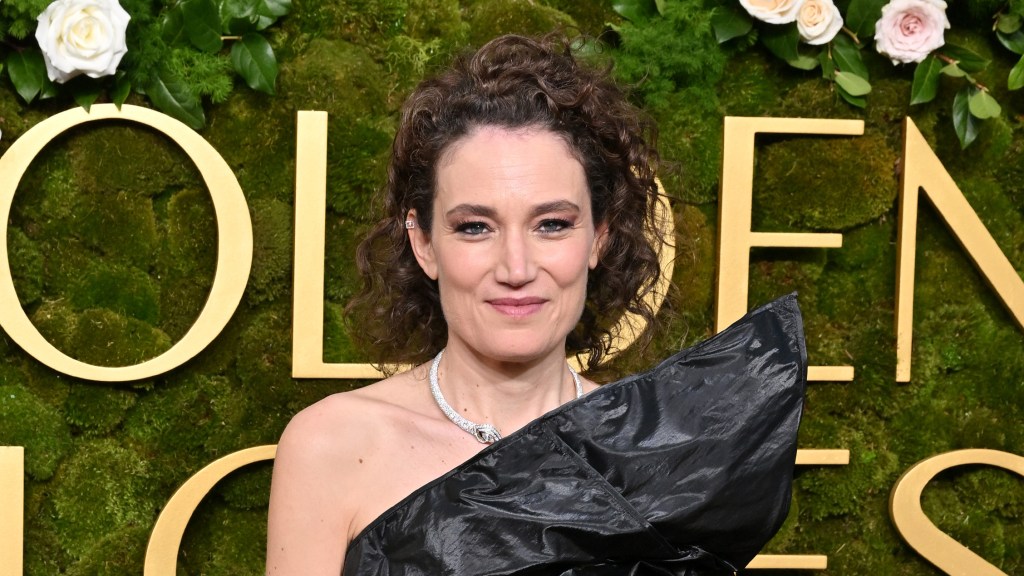
Coralie Fargeat Advocates for Equal Recognition of Horror in Film Academia
In the world of cinema, various genres often compete for the spotlight, but none seem to face as much bias as the horror genre. Director Coralie Fargeat, known for her groundbreaking film Revenge, has emerged as a vocal advocate calling for the equal recognition of horror in film academia. Her passionate plea emphasizes the artistic value and cultural significance of horror films, igniting a crucial conversation about genre bias in award considerations. In this article, we explore Fargeat’s perspective, the historical context of horror in cinema, and the implications of her advocacy for the film industry.
The Artistic Value of Horror Films
Fargeat argues that horror films are often dismissed as mere entertainment lacking depth or artistic merit. However, this perspective overlooks the genre’s capacity to explore complex themes, societal issues, and the human psyche. Horror has a unique ability to confront fears and taboos, making it a profound medium for storytelling. Some key aspects of horror’s artistic value include:
- Exploration of Human Nature: Horror often delves into the darker aspects of humanity, allowing filmmakers to examine moral dilemmas, psychological struggles, and existential questions.
- Social Commentary: Many horror films serve as allegories for societal issues, such as racism, gender inequality, and political unrest. They provide a platform for marginalized voices and provoke critical discussions.
- Innovative Storytelling: The horror genre encourages creativity and experimentation with narrative structures and visual styles, pushing the boundaries of traditional filmmaking.
By recognizing the artistic value of horror, Fargeat advocates for a broader definition of cinematic excellence that includes this genre alongside more traditionally lauded categories such as drama and romance.
Historical Context: The Evolution of Horror in Cinema
The horror genre has a rich history, evolving from early silent films like The Cabinet of Dr. Caligari to modern masterpieces like Get Out and Hereditary. Despite its evolution, horror has frequently been relegated to a secondary status in the film industry. This bias can be traced back to several factors:
- Misunderstanding of the Genre: Horror is often perceived as lowbrow entertainment, leading critics and award bodies to overlook its contributions to cinema.
- Lack of Representation: Historically, the genre has been dominated by male filmmakers, which has contributed to a narrow understanding and appreciation of its potential.
- Box Office Trends: While successful at the box office, horror films are often seen as commercial ventures rather than serious art, further entrenching their marginalization.
Fargeat’s advocacy is part of a larger movement challenging these misconceptions and calling for a reevaluation of horror’s place in film academia.
Current Trends and Changing Perceptions
In recent years, there has been a noticeable shift in the perception of horror films. With critically acclaimed entries like Get Out and The Babadook, audiences and critics alike have begun to recognize the genre’s potential for nuanced storytelling. Festivals and awards have also started to embrace horror more openly, with films like Parasite (which blends horror with social commentary) winning prestigious awards.
Fargeat’s call for equal recognition aligns with these trends, as she emphasizes that horror can—and often does—offer significant contributions to the cinematic landscape. Her argument is bolstered by the increasing body of scholarship focusing on horror as a legitimate and vital genre within film studies.
Implications for the Film Industry
Fargeat’s passionate plea has broader implications for the film industry. By advocating for equal recognition of horror in film academia, she encourages a more inclusive approach to the evaluation of cinematic works. This shift could lead to:
- Increased Diversity in Filmmaking: As horror gains recognition, more diverse voices may emerge, enriching the genre with fresh perspectives and stories.
- Broader Academic Study: Acknowledging horror’s artistic and cultural significance could lead to more academic programs and research exploring its impact on society and culture.
- Recognition of Female Filmmakers: Fargeat’s advocacy highlights the contributions of female directors in horror, promoting gender equality within a genre often dominated by male filmmakers.
Such changes could ultimately transform the landscape of film appreciation and academia, allowing horror films to be studied and celebrated alongside their more traditionally recognized counterparts.
The Future of Horror in Film Academia
As Coralie Fargeat continues to advocate for horror’s rightful place in film academia, the conversation around genre bias is likely to gain momentum. The horror genre has a unique ability to reflect societal anxieties and provoke thought, making it a valuable area of study. The ongoing dialogue about the recognition of horror films is crucial for the future of cinema, as it opens the door for diverse narratives and artistic expressions.
Ultimately, Fargeat’s call to action is a reminder that all genres, including horror, deserve equal recognition for their contributions to the art of filmmaking. By embracing horror as a legitimate and significant genre, the film industry can foster a more inclusive and dynamic landscape, where all voices and stories can thrive.
In conclusion, the advocacy of directors like Coralie Fargeat serves as an essential catalyst for change within the film industry. As discussions surrounding the equal recognition of horror in film academia continue, it is clear that horror’s artistic and cultural impact cannot be understated. It is time for the Academy and film scholars to acknowledge the rich tapestry of storytelling that horror offers, ensuring that this genre receives the respect and recognition it rightfully deserves.
See more CNET Live