
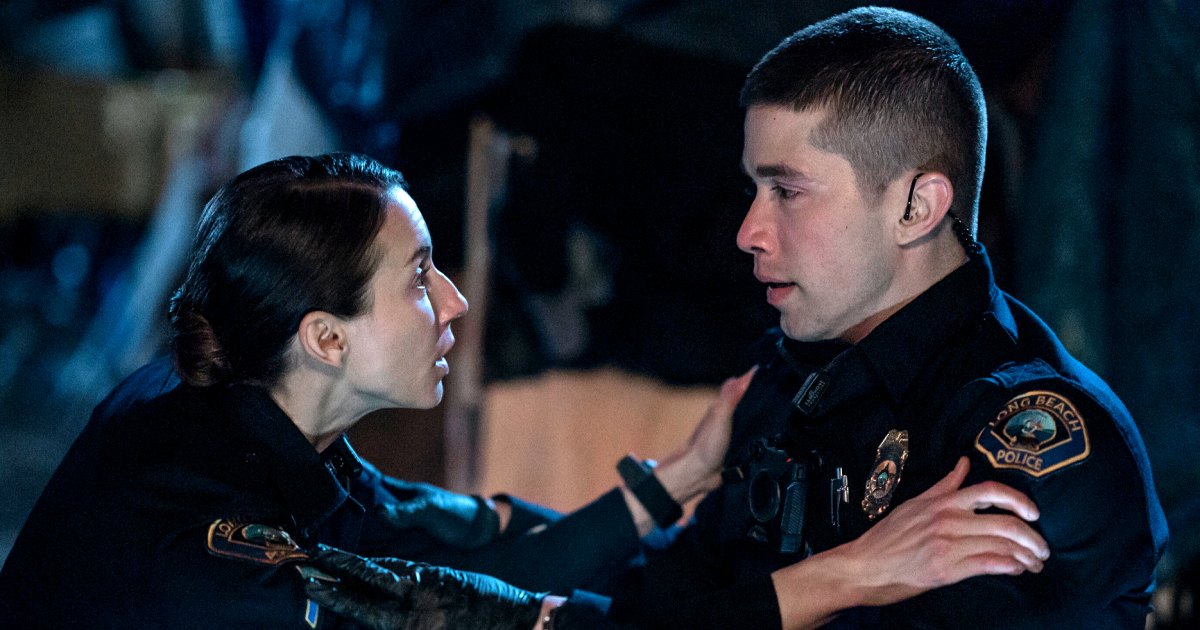
The Future of Crossovers: Why On Call Is Steering Clear of Dick Wolf’s One Chicago Universe
The realm of television is no stranger to crossovers, especially within the procedural drama genre. With networks keen on leveraging successful franchises, the decision for the series On Call to avoid crossovers with Dick Wolf’s One Chicago universe raises intriguing questions about creative direction and franchise dynamics. In an industry where crossovers frequently signal success and viewer engagement, what does this decision imply for the future of both series?
Understanding the Crossover Phenomenon
Crossover events have become a staple in television storytelling, particularly in franchises like One Chicago, which encompasses Chicago Fire, Chicago P.D., and Chicago Med. These events not only draw in established fan bases but also expand viewership by introducing characters and storylines from one show into another. The interconnectedness fosters a sense of community among viewers who are invested in the lives of these characters.
- Enhanced Storytelling: Crossovers allow for richer narratives by exploring character relationships across different settings.
- Increased Ratings: Networks often see a spike in viewership during crossover events.
- Shared Resources: Production costs can be mitigated through shared cast and crew.
However, despite these advantages, On Call has chosen a different path. This decision could be rooted in various factors that merit further examination.
Creative Direction: A Different Vision
One of the primary reasons On Call is steering clear of Dick Wolf’s universe is the desire for a unique identity. The show has carved out its niche, focusing on a distinct set of characters and storylines that might not align seamlessly with the already established dynamics of the One Chicago series.
By avoiding crossovers, On Call can:
- Maintain Narrative Focus: The series can delve deeper into its own story arcs without the distraction of integrating characters from another franchise.
- Explore Unique Themes: The creative team can pursue themes that resonate more closely with their audience, rather than conforming to the broader trends set by existing shows.
- Develop Original Characters: It allows for the development of a fresh set of characters who can grow within their own narrative context.
Franchise Dynamics: The Risks of Crossovers
While crossovers can be lucrative, they also come with risks. The integration of characters and storylines from different shows can lead to a dilution of brand identity. For On Call, aligning with the well-established One Chicago franchise could potentially overshadow its unique offerings.
Some of the risks associated with crossovers include:
- Brand Confusion: Audiences may struggle to differentiate between the two series, leading to a loss of individual recognition.
- Creative Constraints: Writers may feel pressured to conform to existing narratives, limiting their creative freedom.
- Viewer Alienation: Long-time fans of either series may not appreciate the merging of storylines, leading to dissatisfaction.
Market Trends: The Changing Landscape of Television
As the television landscape evolves, so do viewer preferences. Recent trends indicate a shift toward standalone narratives that prioritize character development and intricate storytelling over interconnected universes. This change offers opportunities for series like On Call to thrive independently.
With a growing emphasis on streaming services and on-demand viewing, audiences are increasingly drawn to shows that provide complete narratives without requiring extensive knowledge of a broader universe. This presents a unique opportunity for On Call to attract viewers who may be put off by the commitment of following multiple interconnected shows.
Looking Ahead: The Future of On Call and One Chicago
The decision for On Call to avoid crossovers with the One Chicago universe invites speculation about its future trajectory. While some may perceive this choice as a limitation, it could also be viewed as a strategic maneuver aimed at solidifying its identity in a crowded marketplace.
Moving forward, On Call has the potential to:
- Expand Its Audience: By focusing on original storytelling, the series can attract viewers who appreciate standalone narratives.
- Build Robust Character Arcs: The opportunity to develop characters in depth can lead to greater viewer investment and loyalty.
- Cultivate a Distinct Brand: Establishing a unique voice can differentiate On Call from its competitors, fostering long-term success.
The Bottom Line
In a television landscape where crossovers often signal success, On Call’s decision to steer clear of Dick Wolf’s One Chicago universe raises important questions about creative direction, franchise dynamics, and viewer engagement. By prioritizing its unique narrative, the series may well carve out a successful path that speaks to a changing audience landscape. As the industry continues to evolve, both On Call and One Chicago will have to navigate their respective journeys, each with its own set of challenges and opportunities.
Ultimately, the future of crossovers in television remains uncertain, but it’s clear that shows like On Call are choosing to forge their own paths, prioritizing creativity and originality over the allure of established franchises. This decision could redefine what success looks like in the competitive world of television drama.
See more CNET Live