
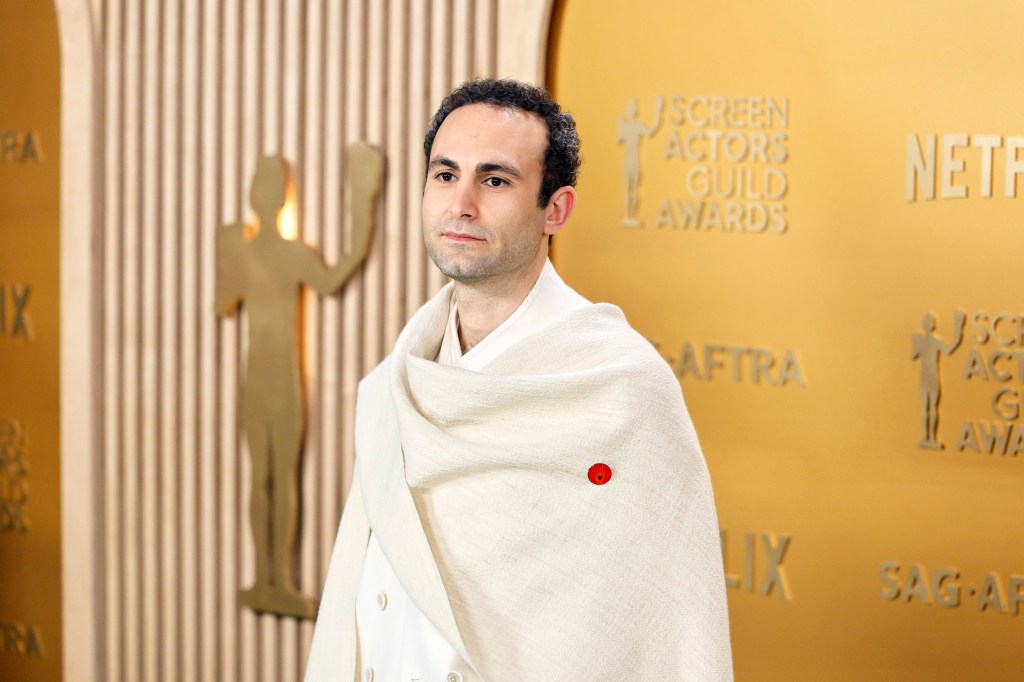
‘The Crown’ Star Under Investigation: Exploring the Pro-Palestine Protest Controversy
The intersection of celebrity activism and political discourse has never been more pronounced than in today’s social climate, especially given the ongoing tensions surrounding the Israel-Palestine conflict. In recent weeks, a star from the acclaimed series ‘The Crown’ has found themselves in the spotlight due to their participation in a pro-Palestine protest that has led to a police summons. This incident not only raises questions about the implications of celebrity involvement in political movements but also emphasizes the complexities of voicing political opinions in a highly polarized environment.
Contextualizing the Pro-Palestine Movement
The pro-Palestine movement advocates for the recognition of Palestinian rights and sovereignty, growing in visibility particularly amid the ongoing Israeli-Palestinian conflict. Activists argue for an end to what they perceive as systemic oppression, occupation, and human rights violations faced by Palestinians. The recent flare-up of violence in the region has intensified these discussions, bringing activists from various backgrounds—celebrities included—into the fray.
As the conflict escalates, celebrities often leverage their platforms to raise awareness and promote dialogue. However, this engagement comes with both support and backlash, reflecting the divided opinions on the matter. The involvement of ‘The Crown’ star in a pro-Palestine protest thus serves as a microcosm of these larger societal debates.
The Incident: Details and Reactions
Reports surfaced indicating that the actor, known for their portrayal of a prominent royal figure, participated in a demonstration advocating for Palestinian rights. Eyewitnesses described the event as fervent, with passionate speeches and calls for justice resonating throughout the crowd. However, the situation took a legal turn when police issued a summons to the actor, citing potential breaches of public order and safety regulations.
This summons has sparked a wave of reactions across social media and news platforms:
- Supporters of the actor argue that their participation in the protest is a demonstration of courage and commitment to human rights.
- Critics contend that celebrities should refrain from becoming involved in politically charged issues, suggesting it detracts from serious discourse.
- Political analysts are weighing in, highlighting how celebrity involvement can amplify movements but also complicate the messaging.
The Role of Celebrity Activism
Celebrity activism is not a new phenomenon; it has roots that stretch back decades. Icons like Jane Fonda and Bob Geldof have made significant impacts through their advocacy. Today, however, the stakes seem higher due to the immediacy of social media, which can catapult a celebrity’s message to millions in just moments.
For the actor from ‘The Crown’, their involvement in the pro-Palestine protest can be viewed through several lenses:
1. Platform Responsibility
Many believe that celebrities have a responsibility to use their platforms for positive change. This actor’s engagement could be considered a bold step towards raising awareness about an often-overlooked humanitarian crisis.
2. Backlash and Consequences
On the flip side, stepping into contentious political waters can lead to severe backlash, as evidenced by the police summons. The actor now faces scrutiny not only for their views but also for their methods of expression. Critics argue that such actions can lead to more division rather than constructive dialogue.
3. Public Perception and Brand Impact
For many celebrities, their public persona is intertwined with their commercial viability. Aligning with a politically charged movement can alienate certain fan bases, potentially impacting their careers and endorsements. The actor’s future projects and public image may now be under review as fans and critics weigh in.
Legal Implications of Protests
Protests, while a fundamental right in many democracies, come with legal considerations. The police summons issued to the actor underscores the fine line between free expression and legal compliance. In the UK, where this incident took place, laws regarding public demonstrations are designed to maintain order and safety. However, they can sometimes be perceived as overreach, particularly when they involve high-profile individuals.
Legal experts suggest that the actor may have grounds to challenge the summons, arguing that their participation falls under the right to free speech and assembly. However, the complexities of the law can often lead to drawn-out legal battles, diverting attention away from the original cause they sought to support.
This incident involving the ‘Crown’ star brings to light the broader societal polarization surrounding the Israel-Palestine conflict. Activists on both sides of the debate often feel passionately about their positions, leading to heated exchanges and sometimes even hostility. The role of celebrities in these discussions can serve to either bridge gaps or widen divides, depending on the context and reception of their messages.
In a world where misinformation can spread rapidly, celebrities have an opportunity—and responsibility—to educate their audiences. The actor’s involvement in the protest may have sparked controversy, but it also opens the floor for dialogue about the complexities of the Israel-Palestine conflict and the humanitarian issues at its core.
Conclusion: The Path Forward
The ‘Crown’ star’s involvement in the pro-Palestine protest and subsequent police summons serves as a critical reminder of the challenges faced by celebrities who choose to engage in political activism. While their intentions may stem from a desire to promote justice and human rights, the repercussions can be multifaceted and far-reaching.
As society continues to grapple with the implications of activism, particularly in the realm of celebrity influence and public perception, it becomes increasingly important to foster understanding and constructive dialogue. The path forward requires a balance of passion for advocacy with a commitment to peaceful and lawful expression. Ultimately, the hope is that discussions—whether sparked by a celebrity or a concerned citizen—can lead to greater awareness and, perhaps, even solutions to long-standing conflicts.
See more CNET Live