
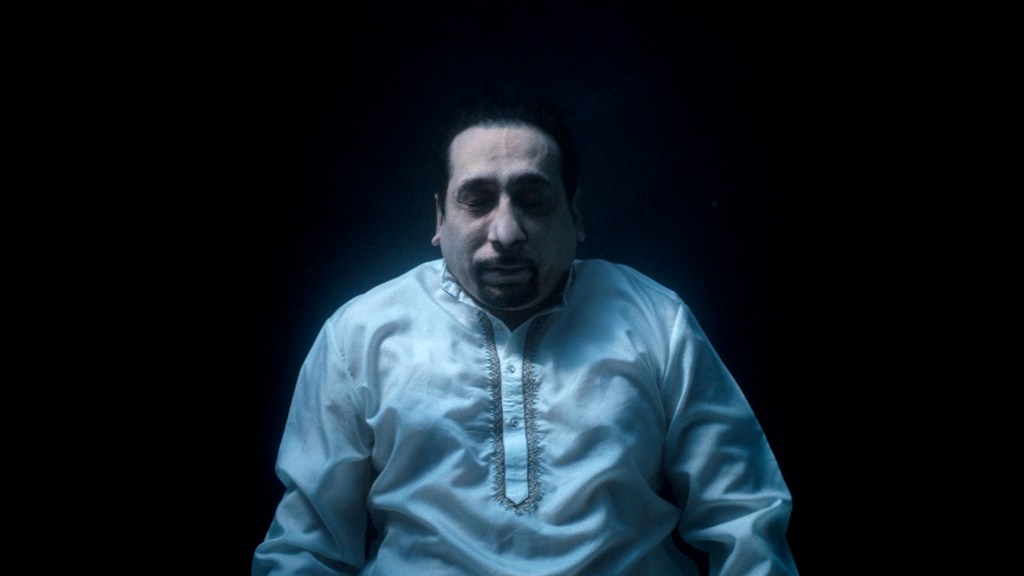
A Journey Beyond Life: The Cryonic Preservation Choice in ‘Eternal Father’
As the Oscar-nominated documentary Eternal Father unfolds, it brings to light the extraordinary journey of a British man who made the controversial decision to opt for cryonic preservation. This choice not only raises profound questions about life and death but also taps into the deep-seated human desire for eternal existence. The film serves as a powerful catalyst for discussions on the intersection of science and existential hope, prompting viewers to reflect on what it means to truly live and the lengths to which one might go to extend that experience.
The Concept of Cryonic Preservation
Cryonics, the practice of preserving individuals at extremely low temperatures after clinical death, is a field that straddles the boundaries of science fiction and emerging science. The underlying principle is simple: by cooling the body to a point where metabolic and chemical processes cease, it is hoped that future advances in medicine will one day allow for revival and treatment of the underlying causes of death.
While the scientific community remains divided on the viability and ethics of cryonics, the technology itself is advancing. Proponents argue that as our understanding of biology and technology evolves, so too might our ability to revive those who have been preserved. Critics, however, point to the unknowns surrounding the process, including potential damage to cells and tissues during freezing and thawing.
The Emotional Landscape of Cryonics
The emotional weight of choosing cryonic preservation cannot be understated. In Eternal Father, we witness the protagonist grapple with the implications of his choice. He is driven not just by a fear of death, but by a deep-seated hope for the future. This hope is a common thread among those who choose cryonics; it reflects a profound yearning for life, connection, and the possibility of witnessing the future of humanity.
- Hope for Medical Advances: Many individuals who choose cryonics believe that future medical technologies could cure diseases that are currently incurable.
- Desire for Continuity: The thought of continuing life in a future time, possibly in a vastly different world, can be incredibly appealing.
- Fear of Finality: The choice often stems from a fear of the permanence of death and an emotional response to losing loved ones.
Exploring the Ethical Considerations
The decision to pursue cryonic preservation raises significant ethical questions. Is it right to attempt to extend life artificially? What are the societal implications of potentially reviving individuals who lived in a very different era? These questions are explored in-depth within Eternal Father, encouraging viewers to confront their own beliefs about life, death, and what it means to be human.
Ethical Dilemmas
Some of the ethical issues surrounding cryonics include:
- Resource Allocation: Should resources be devoted to preserving a few individuals when many others are suffering from preventable conditions?
- Quality of Life: If revival is possible, what guarantees exist that the individual will have a quality of life worth living?
- Societal Impact: How might society change if individuals from the past are revived? What cultural and social implications would arise?
The Intersection of Science and Existential Hope
At its core, Eternal Father invites us to explore the intersection of science and existential hope. The protagonist’s journey reflects a fundamental human desire to transcend the limitations of our mortality. This quest for eternal life is not new; it has been a theme throughout history, from myths of immortality to modern scientific endeavors.
As technology continues to evolve, the dream of extending human life becomes increasingly plausible. Advances in genetics, nanotechnology, and artificial intelligence suggest that the future may hold solutions to the problems associated with aging and death. This potential fuels the hope that drives individuals toward cryonics.
Current Developments in Cryonics
Recent years have seen significant advancements in the field of cryonics. Companies specializing in this practice are evolving, with improved methods for preserving tissues and organs. Research in related fields, such as regenerative medicine and biostasis, is also progressing, which may one day contribute to the revival of those preserved.
Some key developments include:
- Improved Preservation Techniques: Novel cryoprotectants are being developed to prevent ice formation, which can damage cells during the freezing process.
- Biostasis Research: Scientists are exploring ways to halt biological processes without the need for extreme cold, potentially offering new pathways for preservation.
- Public Awareness: Documentaries like Eternal Father are raising awareness about cryonics, prompting more open discussions about the implications of life extension.
Conclusion: A Choice for the Future
The choice for cryonic preservation, as illustrated in Eternal Father, is not merely about escaping death; it is about embracing the possibility of a future that is better, brighter, and filled with hope. While the scientific and ethical debates surrounding this practice continue, it is clear that the desire to extend life is a deeply ingrained part of the human experience.
As we stand on the brink of new scientific frontiers, the questions posed by cryonics become more relevant than ever. What does it mean to live? What legacy do we leave behind? And how might our understanding of life and death evolve as we venture into the unknown? The journey beyond life continues, and with it, the eternal quest for meaning and existence.
See more CNET Live