
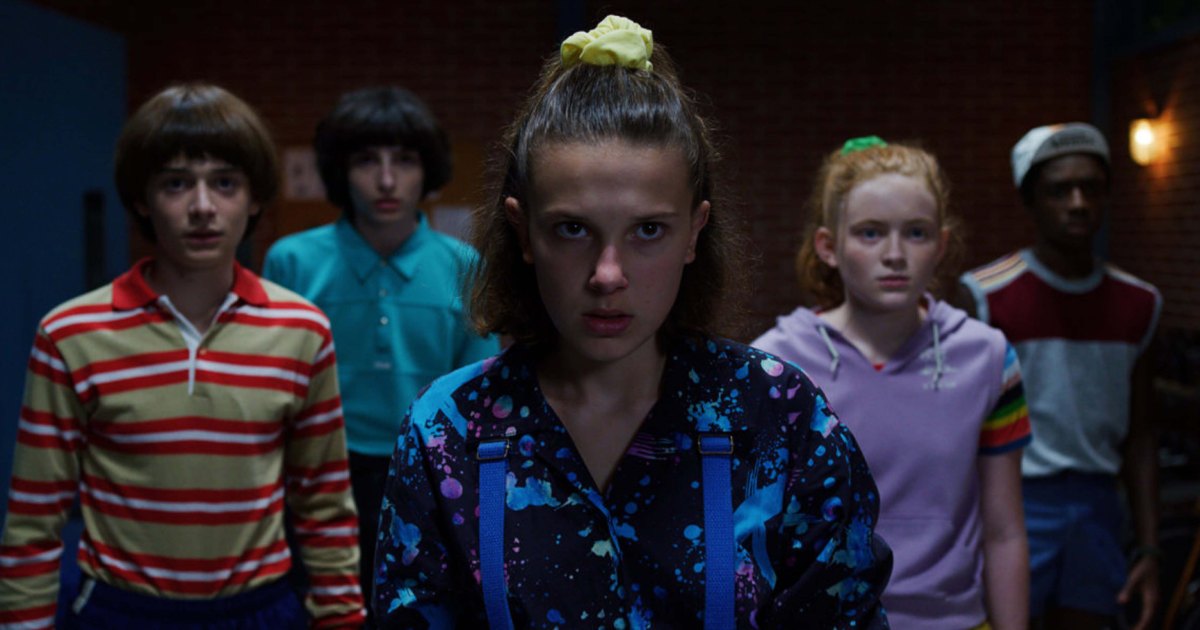
Shedding Light on the Darkest TV Shows: A Dive into Euphoria and Stranger Things
The realm of television has seen a surge of captivating yet dark narratives, with shows like Euphoria and Stranger Things leading the charge. These series delve deep into the shadows of human experience, exploring themes of trauma, addiction, friendship, and the supernatural. Despite their grim subject matter, they resonate with audiences, drawing viewers into their complex worlds. This article aims to shed light on the darker themes and unique visual styles of these hit TV shows, revealing why they captivate audiences around the globe.
Unpacking the Darkness: Themes in Euphoria
Euphoria, created by Sam Levinson, is a bold exploration of adolescence in the modern age. The series follows Rue Bennett, a high school student struggling with addiction, alongside a diverse group of friends each grappling with their own issues. The show presents a kaleidoscope of themes that resonate with many young viewers:
- Addiction: At its core, Euphoria is a story about addiction—not just to drugs but to various forms of escapism that can lead to self-destruction.
- Identity: The characters navigate the tumultuous journey of self-discovery, questioning their identities in a world that often pushes them to conform.
- Trauma: Each character carries their own traumas, whether stemming from family issues, societal pressures, or personal experiences.
- Intimacy and Relationships: The show portrays the complexities of relationships, from friendships to romantic entanglements, highlighting both their beauty and their potential for harm.
The raw portrayal of these themes, combined with a stunning visual aesthetic, creates a gripping viewing experience. The cinematography often feels like a dream, with vibrant colors and surreal imagery juxtaposed against the harsh realities faced by the characters. This contrast serves to emphasize the internal battles they endure, making the emotional impact even more powerful.
The Visual Language of Euphoria
The visual style of Euphoria is nothing short of revolutionary. Levinson and his team utilize a mix of innovative camerawork, striking color palettes, and a pulsating soundtrack to immerse viewers in the characters’ emotional states. Here are some notable elements of its visual language:
- Color Symbolism: The use of color in Euphoria is deliberate and significant. Each character has a unique color scheme that reflects their personality and emotional journey.
- Dreamlike Sequences: The series often blurs the line between reality and imagination, using surreal visuals to represent the characters’ inner turmoil, especially in Rue’s drug-induced experiences.
- Intimate Close-Ups: Close-up shots allow the audience to feel the characters’ pain and joy, fostering a deep emotional connection with their journey.
This striking visual style, coupled with its exploration of dark themes, makes Euphoria not just a show to watch but a visceral experience that stays with viewers long after the credits roll.
Diving into the Supernatural: Themes in Stranger Things
On the flip side, Stranger Things, created by the Duffer Brothers, immerses viewers in the eerie atmosphere of Hawkins, Indiana, where the supernatural collides with the everyday. While its narrative leans more towards science fiction and horror, it also delves into dark themes that resonate with audiences:
- Friendship and Loyalty: The series emphasizes the importance of friendship, showcasing how the bond between the characters helps them face the darkness around them.
- Fear and Anxiety: The constant threat of the Upside Down serves as a metaphor for the fears and anxieties of adolescence, highlighting the horrors that can lurk beneath the surface of suburban life.
- Loss and Grief: Characters frequently confront loss, whether through the disappearance of a friend or the consequences of their battles against supernatural forces.
- Government Conspiracy: The show critiques government experiments and the lack of transparency, addressing fears of control and manipulation.
Unlike Euphoria’s intense realism, Stranger Things blends nostalgia with horror, drawing on the aesthetics of 80s pop culture. This combination of familiar references and supernatural terror creates a unique viewing experience that captivates both young audiences and older generations who grew up during that era.
The Aesthetic Appeal of Stranger Things
The Duffer Brothers craft a visual experience that is as compelling as the narrative itself. The aesthetic of Stranger Things is heavily influenced by 1980s cinema and culture, which plays a pivotal role in its appeal:
- Retro Design: The show’s meticulous attention to detail— from the costumes to the set design—immerses viewers in the 1980s, evoking a sense of nostalgia.
- Soundtrack: The carefully curated soundtrack features iconic songs from the era, enhancing emotional moments and grounding the narrative in its time period.
- Visual Effects: The supernatural elements, particularly the depiction of the Upside Down, are rendered with stunning visual effects that heighten the suspense and sense of wonder.
This aesthetic, combined with its dark themes, has allowed Stranger Things to become a cultural phenomenon, appealing to a diverse audience that craves both nostalgia and thrill.
Why Do These Dark Shows Resonate?
Despite their dark narratives, both Euphoria and Stranger Things have garnered massive followings. Here’s why:
- Relatable Themes: The struggles depicted in these shows—be it addiction, friendship, or the supernatural—are relatable on some level, allowing viewers to see themselves in the characters.
- Emotional Connection: The authenticity of the characters and their experiences fosters a deep emotional connection, drawing viewers into their journeys.
- Escapism: While the themes are dark, the fantastical elements provide an escape from reality, allowing viewers to explore complex emotions in a safe space.
- Community and Discussion: Both shows have spurred discussions and online communities, providing a platform for fans to connect, share, and analyze the narratives and their implications.
In a world that often feels chaotic and uncertain, these series offer a lens through which to explore the darker aspects of life, making them not just entertainment, but also a source of reflection and connection.
Conclusion
Euphoria and Stranger Things stand out as quintessential examples of how dark narratives can captivate audiences. Through their exploration of profound themes and their unique visual styles, these shows navigate the complexities of human experience, inviting viewers to confront their own shadows. As they continue to resonate with audiences, they remind us that even in the darkest of stories, there is light to be found in connection, understanding, and the shared experience of being human.
See more CNET Live