
Dave Chappelle’s Bold Plea: Empathy in Trump’s Longest SNL Monologue
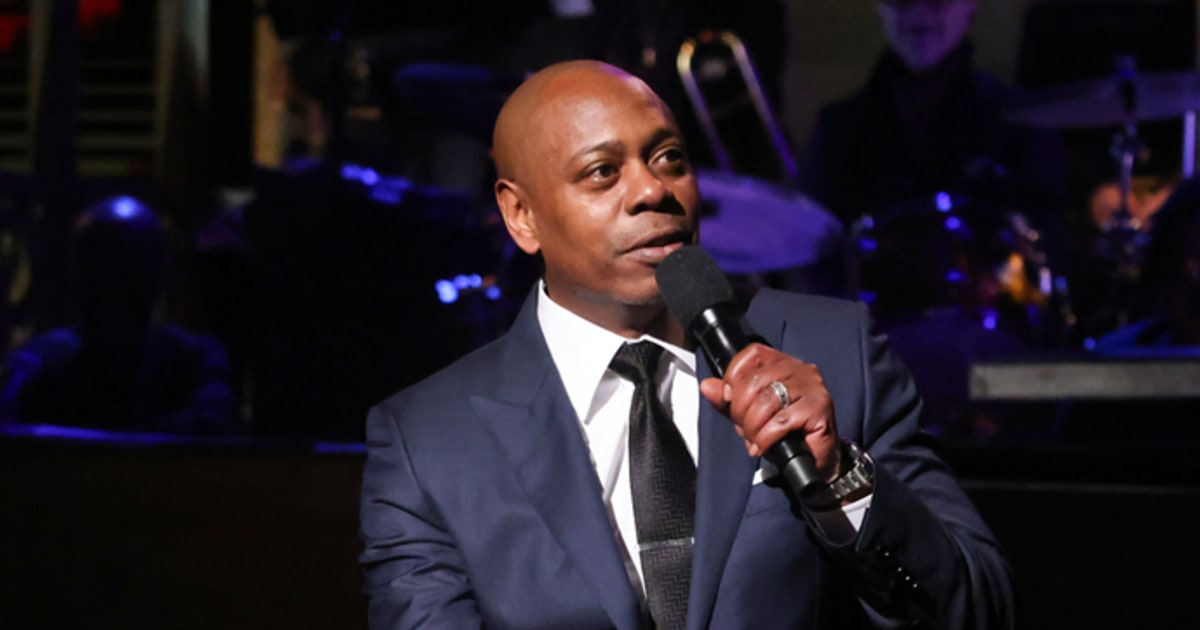
In a moment that will be etched in the annals of late-night television, comedian Dave Chappelle took to the stage of Saturday Night Live (SNL) to deliver a powerful and poignant monologue. This unprecedented performance not only showcased Chappelle’s unparalleled comedic prowess but also served as a bold plea for empathy directed at former President Donald Trump. Chappelle’s message resonated deeply with viewers, igniting discussions about the necessity of compassion in politics and the broader cultural landscape.
The Context of Chappelle’s Monologue
When Dave Chappelle stepped onto the SNL stage, he did so during a politically charged climate. The nation was grappling with the ramifications of Trump’s presidency, marked by divisive rhetoric and contentious policies. Chappelle, known for his incisive social commentary, recognized the moment’s urgency. His long monologue became a platform not just for laughter but for reflection on empathy—a quality often overshadowed in the political discourse surrounding Trump.
Chappelle’s choice to address Trump directly was bold, particularly considering the polarized views surrounding the former president. However, Chappelle has always been unafraid to tackle complex issues head-on, making him a unique voice in the entertainment industry. His ability to blend humor with serious themes has earned him respect and admiration across diverse audiences.
Empathy: A Call to Action
At the heart of Chappelle’s monologue was a simple yet profound call to action: the need for empathy. He urged Trump to connect with the American people on a deeper level, acknowledging their struggles and fears. This message was layered with the recognition that empathy is not merely a trait but a necessary tool for effective leadership.
- Understanding Different Perspectives: Chappelle emphasized the importance of understanding the complexities of people’s lives. He argued that empathy begins by listening and acknowledging the experiences of others, particularly those marginalized or overlooked.
- Bridging Divides: The comedian highlighted how empathy can serve as a bridge in a fractured society. By recognizing shared humanity, leaders can foster collaboration rather than division, leading to more effective governance.
Chappelle’s plea for empathy resonates beyond politics. In a world where social media often amplifies hostility, his message serves as a reminder that compassion is crucial in fostering understanding and healing.
The Cultural Impact of Chappelle’s Monologue
The cultural impact of Dave Chappelle’s monologue was immediate and profound. Social media erupted with reactions, with many praising his courage to confront such a contentious issue. Chappelle’s blend of humor and earnestness captivated audiences, sparking conversations that transcended the typical political discourse.
Chappelle’s approach was refreshing in that it rejected the binary nature of political discussions. Instead of casting Trump as merely a villain, he presented a nuanced view, suggesting that even those with whom we disagree can be encouraged to embrace empathy. This perspective invites a broader dialogue about the role of leaders in fostering a culture of understanding.
The Role of Comedy in Political Discourse
Comedy has long served as a vital tool for political commentary, and Chappelle’s performance exemplifies this role. By using humor to address serious issues, comedians can engage audiences in ways that traditional political discourse often fails to achieve. Chappelle’s monologue not only entertained but also enlightened, encouraging viewers to think critically about empathy in leadership.
Moreover, the monologue reflects a growing trend in comedy where artists leverage their platforms to provoke thought and inspire change. As society becomes increasingly polarized, comedians like Chappelle play a crucial role in bridging gaps and fostering dialogue.
Chappelle’s Legacy of Empathy in Comedy
Dave Chappelle’s career has been marked by his ability to tackle difficult subjects with grace and humor. From his groundbreaking show “Chappelle’s Show” to his stand-up specials, he has consistently pushed boundaries, forcing audiences to confront uncomfortable truths. His latest monologue on SNL is a continuation of this legacy, further cementing his status as a cultural commentator.
In previous works, Chappelle has explored themes of race, identity, and social justice, often invoking empathy as a core principle. His SNL appearance serves as a testament to his belief that comedy can be a powerful catalyst for change, urging us all to reflect on our shared humanity.
Looking Forward: The Importance of Empathy in Politics
Chappelle’s bold plea for empathy in Trump’s longest SNL monologue is a reminder of the importance of compassion in leadership. As the political landscape continues to evolve, the call for empathy becomes even more critical. Leaders who prioritize understanding and connection can pave the way for a more inclusive society.
Moreover, the impact of Chappelle’s message extends beyond the realm of politics. It encourages individuals from all walks of life to embrace empathy in their daily interactions. Whether in personal relationships, workplaces, or community engagements, fostering understanding can lead to a more harmonious society.
Conclusion: A Moment of Reflection
In conclusion, Dave Chappelle’s SNL monologue was more than just a comedic performance; it was a bold plea for empathy that resonated deeply with audiences. By urging former President Trump and, by extension, all leaders, to embrace compassion, Chappelle ignited a conversation about the necessity of understanding in politics and beyond. As we reflect on this historic moment, let it serve as a reminder that empathy is not just a sentiment but an essential element of effective leadership and human connection.
In a world rife with division, Chappelle’s message is a beacon of hope, inspiring us all to strive for a more empathetic and compassionate society.
See more CNET Live