
Introduction
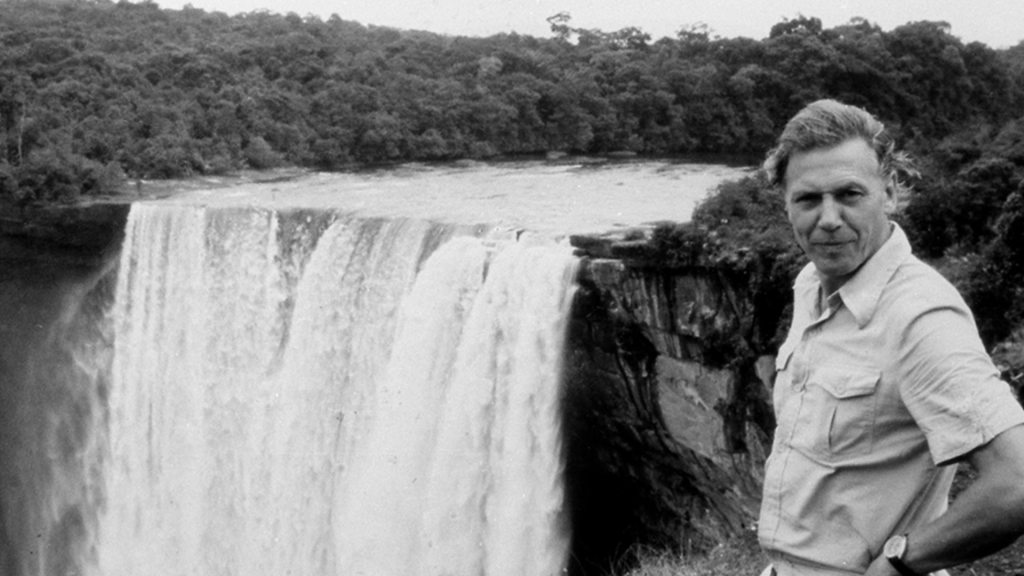
The year 2023 marks a significant milestone in the world of natural history broadcasting: the 50th anniversary of David Attenborough’s groundbreaking series, ‘Life On Earth’. First aired in 1973, this landmark series transformed how audiences engage with the natural world, laying the groundwork for the modern nature documentary genre. As the BBC celebrates this half-century journey through the intricate tapestry of life on our planet, it is essential to reflect on the profound impact this series has had on environmental awareness and the enduring legacy of David Attenborough as a champion for nature.
The Impact of ‘Life On Earth’
‘Life On Earth’ was not just a television series; it was a cultural phenomenon that brought the beauty and complexity of the natural world into living rooms around the globe. With its innovative use of filming techniques, including groundbreaking underwater cinematography and aerial shots, the series provided viewers with an unprecedented look at wildlife in its natural habitat.
Revolutionizing Nature Documentaries
Before ‘Life On Earth’, nature documentaries were often limited in scope and production quality. Attenborough’s approach was pioneering, blending storytelling with scientific insight. The series featured a wide array of species and ecosystems, from the dense rainforests to the arid deserts, effectively conveying the interconnectedness of life.
Some key elements that defined the series include:
- Innovative Filming Techniques: The use of new technology allowed for stunning visuals that captured the beauty and drama of wildlife.
- Engaging Narration: Attenborough’s distinctive voice and passionate delivery invited viewers to connect emotionally with the subject matter.
- Educational Content: Each episode was meticulously researched, providing viewers with valuable insights into the behaviors and habitats of various species.
Creating Environmental Awareness
One of the most significant contributions of ‘Life On Earth’ was its role in raising awareness about ecological issues. By showcasing the wonders of the natural world, the series also highlighted the fragility of ecosystems and the threats posed by human activity. Attenborough’s sincere concern for environmental conservation resonated with audiences, inspiring a generation to take action for the planet.
The series addressed critical issues such as:
- Habitat Destruction: The impact of deforestation and urbanization on wildlife was a recurring theme.
- Climate Change: Early discussions on the changing climate and its effects on biodiversity were introduced, long before they became mainstream topics.
- Conservation Efforts: The series often showcased successful conservation initiatives, illustrating that positive change is possible.
Attenborough’s Enduring Legacy
David Attenborough’s influence extends far beyond ‘Life On Earth’. His career spans more than six decades, during which he has produced numerous acclaimed documentaries, including ‘The Blue Planet’, ‘Planet Earth’, and ‘Our Planet’. These series have collectively educated millions about the importance of protecting our environment.
A Voice for the Voiceless
Attenborough has become synonymous with wildlife conservation. His ability to articulate the challenges facing our planet has positioned him as a key figure in the global movement for environmental protection. In his later works, he has not only celebrated the beauty of nature but has also issued urgent calls to action regarding climate change, biodiversity loss, and sustainable living.
Beyond his work in documentaries, Attenborough has engaged with policymakers and scientists to advocate for more substantial environmental policies. His speeches, particularly at international forums like the UN Climate Change Conference, have garnered widespread attention, mobilizing public interest in pressing ecological issues.
Influence on Future Generations
Attenborough’s legacy can be seen in the current generation of filmmakers, environmentalists, and educators. Many young documentarians cite him as a major influence on their work, striving to emulate his passion and commitment to storytelling. The style of presenting natural history has evolved, but at its core remains the desire to connect audiences to the wonders of the natural world.
The rise of social media and digital platforms has also changed how nature documentaries are consumed. Short-form content, particularly on platforms like Instagram and TikTok, allows for quick, impactful messages about conservation, reaching audiences that traditional media might miss. Attenborough himself has embraced these platforms, utilizing them to spread awareness to younger, tech-savvy audiences.
The Series’ Relevance Today
As we reflect on ‘Life On Earth’ and its 50-year legacy, it is essential to consider its relevance in today’s ecological discussions. The challenges facing our planet have only intensified, with climate change, habitat destruction, and species extinction at the forefront of global concerns. The insights provided by Attenborough and the series remain critical in understanding and addressing these issues.
Educational Initiatives and Policy Advocacy
In the current climate, educational initiatives that draw inspiration from ‘Life On Earth’ are crucial. Schools and universities are increasingly incorporating environmental science into their curricula, using documentaries as a tool to engage students in discussions about conservation and sustainability.
Moreover, policymakers are beginning to recognize the importance of integrating scientific knowledge with public policy. The compelling narratives presented in Attenborough’s documentaries can serve as a catalyst for meaningful legislative action. Documentaries have the power to humanize statistics, making the case for urgent action more relatable and pressing.
The Next Generation of Documentaries
Looking ahead, the future of nature documentaries will likely continue to evolve. New technologies, such as virtual reality and 360-degree filming, offer exciting possibilities for immersive storytelling. These advancements can provide viewers with even more intimate experiences of the natural world, fostering a deeper connection to the environment.
Conclusion
As the BBC commemorates 50 years of ‘Life On Earth’, we honor not just a series, but a profound movement towards greater environmental consciousness. David Attenborough’s unwavering dedication to highlighting the beauty of life and the urgent need for conservation has left an indelible mark on society. As we face unprecedented ecological challenges, the lessons from ‘Life On Earth’ remain ever relevant, inspiring new generations to cherish and protect the planet we call home.
See more CNET Live