
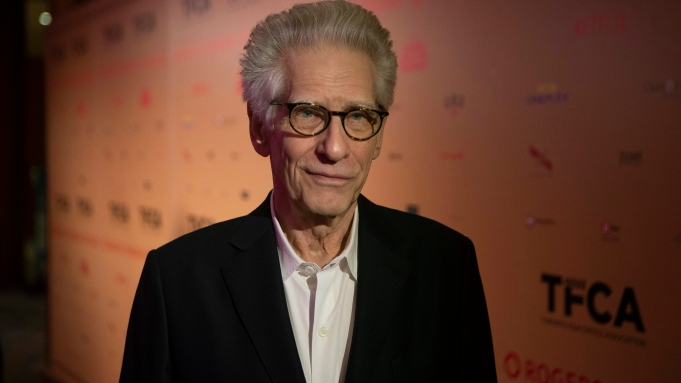
David Cronenberg Unveils the Truth Behind ‘The Brutalist’ AI Controversy
In a world increasingly shaped by technology, the intersection of art and innovation has never been more pronounced. Renowned filmmaker David Cronenberg has recently found himself at the center of a heated debate surrounding his latest film, The Brutalist. The controversy centers on the use of artificial intelligence (AI) in the film’s production, raising questions about authenticity, creativity, and the very essence of cinema. In an exclusive interview, Cronenberg sheds light on these issues, suggesting that what some perceive as a scandal may, in fact, be part of a larger narrative within the filmmaking industry.
Understanding the AI Controversy in ‘The Brutalist’
The use of AI in film is not a new phenomenon, but Cronenberg’s approach has sparked intense scrutiny. Critics argue that employing AI undermines the artistic integrity of the film, reducing the role of human creativity in storytelling. In contrast, Cronenberg views the integration of AI as a natural evolution in filmmaking, one that presents new opportunities for artistic expression.
“AI is a tool, much like the camera or editing software,” Cronenberg remarked. “It can enhance creativity rather than diminish it.” This perspective invites a broader discussion on the implications of technology in cinema, challenging traditional notions of authorship and artistic value.
What Lies Behind the Backlash?
While many have rallied against the use of AI in The Brutalist, it’s crucial to consider the motivations behind this backlash. Cronenberg suggests that the controversy may be driven by fear—fear of the unknown, fear of change, and perhaps a fear of losing artistic control.
- Fear of Obsolescence: As technology continues to advance, artists worry about their place in a world where machines can replicate creative processes.
- Preservation of Tradition: Many cinema purists argue for the importance of traditional filmmaking techniques, viewing AI as a threat to the time-honored practices of storytelling.
- Misunderstanding of AI: There is often a misconception about the capabilities of AI, leading to exaggerated fears about its impact on creative industries.
Cronenberg emphasizes that the goal is not to replace human creativity but to augment it. “AI can handle repetitive tasks, allowing filmmakers to focus on the nuanced aspects of storytelling,” he explained. This sentiment resonates with many in the industry who see AI as a partner rather than a rival.
The Broader Narrative in Cinema
As Cronenberg reflects on the controversy, he points out that the discussion surrounding AI is not just about The Brutalist. It’s a microcosm of a larger conversation about the future of cinema. The film industry has always evolved, from the introduction of sound to the shift to digital filmmaking. Each technological advancement has faced skepticism, yet many have ultimately enriched the medium.
In his view, the AI debate parallels past controversies, such as the initial resistance to CGI in films. “As with CGI, there were those who claimed it would ruin the art of filmmaking,” said Cronenberg. “But now, CGI is an integral part of storytelling.” This perspective encourages an open-minded approach to technological advancements in cinema, advocating for a balance between innovation and tradition.
What Does This Mean for Filmmakers?
For contemporary filmmakers, the implications of the AI controversy are profound. It serves as a reminder that embracing change is essential for growth. Here are several key takeaways for filmmakers navigating this evolving landscape:
- Embrace Innovation: Filmmakers should view AI as a tool for enhancing creativity, not as a replacement for it.
- Educate Audiences: As technology evolves, it’s crucial to engage with audiences, helping them understand the role of AI in filmmaking.
- Balance Tradition and Technology: Striking a balance between traditional techniques and innovative tools can lead to more compelling storytelling.
Cronenberg’s insights highlight the importance of adaptability in an industry that thrives on creativity and innovation. As filmmakers explore the possibilities of AI, they must also address the ethical implications, ensuring that technology serves the art rather than dictates it.
The Future of Cinema in the Age of AI
As the discussion around The Brutalist unfolds, one thing is clear: the future of cinema will be shaped by the integration of technology, including AI. Cronenberg remains optimistic about this evolution, believing that it will lead to new forms of storytelling that have yet to be imagined.
“We’re at the brink of a new era,” he said. “AI can help us tell stories in ways we never thought possible. It’s an exciting time for filmmakers.” This enthusiasm for the future of filmmaking resonates with many in the industry, who see the potential for groundbreaking narratives that blend human creativity with technological advancements.
Conclusion: A Call for Open Dialogue
The controversy surrounding David Cronenberg’s The Brutalist serves as a catalyst for larger conversations about technology’s role in cinema. Rather than viewing AI as a threat, Cronenberg encourages filmmakers and audiences alike to engage in open dialogue about its potential benefits and drawbacks.
As the film industry navigates these uncharted waters, embracing change while honoring tradition will be vital. With visionary filmmakers like Cronenberg leading the charge, the future of cinema promises to be as thrilling and unpredictable as the stories it tells.
Ultimately, the relationship between AI and filmmaking is a reflection of society’s broader relationship with technology. As we continue to explore this dynamic, it is essential to approach it with curiosity, openness, and a commitment to preserving the artistry that makes cinema a powerful medium for storytelling.
See more CNET Live