
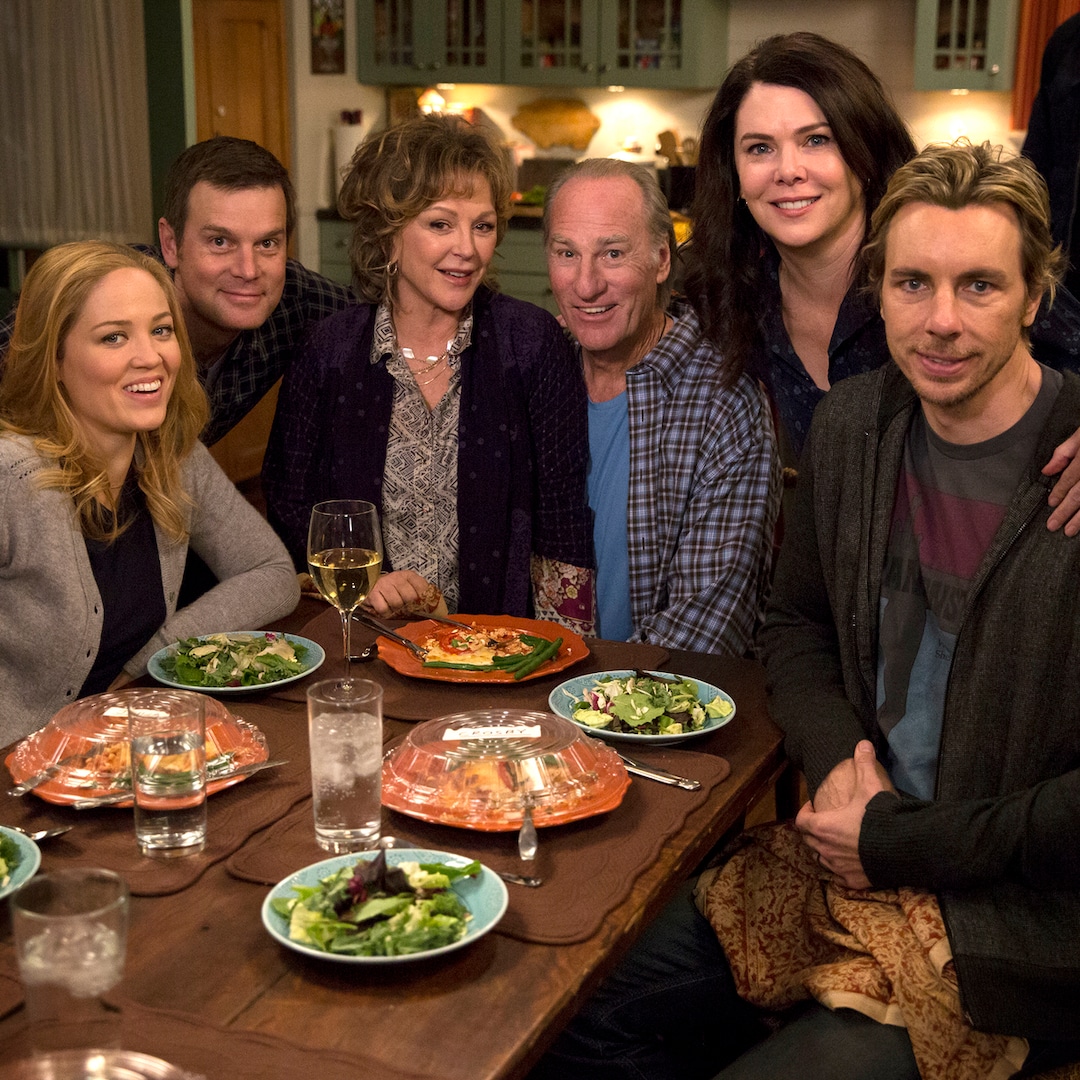
Dax Shepard Reveals Surprising Salary Disparities Among Co-Stars
In a recent episode of his popular podcast, Dax Shepard candidly opened up about the complex and often surprising salary disparities that existed among his co-stars during his time on the critically acclaimed show, *Parenthood*. This revelation not only caught the attention of fans but also sparked crucial discussions about the underlying issues related to pay inequality in Hollywood. Shepard’s insights provide a rare glimpse into the often murky waters of actor compensation and the implications it has for the entertainment industry as a whole.
The Reality of Salary Disparities
According to Shepard, the salary differences among the *Parenthood* cast were not just typical; they were staggering. He revealed that while he was earning a respectable paycheck, some of his co-stars were making significantly less, despite having equal or even more substantial roles on the show. This disparity raises important questions about how salaries are determined in Hollywood.
Shepard’s experience is not unique. Numerous actors have come forward over the years to discuss the inequities in pay based on factors like gender, experience, and even the perceived marketability of their characters. For instance, the Hollywood pay gap has been a hot topic, particularly highlighted by movements such as #MeToo and Time’s Up, which advocate for equal pay for equal work.
Factors Influencing Salary Disparities
Several factors contribute to the uneven salary landscape in Hollywood:
- Star Power: Actors with established names and box office appeal often command higher salaries, leaving newer or less recognized talent at a disadvantage.
- Negotiation Skills: Individual negotiation skills can play a significant role. Some actors are more adept at negotiating contracts, while others may accept initial offers without much pushback.
- Typecasting: Certain roles may lead to actors being pigeonholed, affecting their marketability and salary potential.
- Gender Disparities: Women in Hollywood continue to face significant pay gaps compared to their male counterparts, despite similar roles and experience levels.
Dax Shepard’s Perspective on Pay Equity
Shepard’s revelations about salary disparities prompted him to reflect on the broader implications of these inequities. He expressed concern that such disparities not only affect the individual actors but also contribute to a culture of competition and secrecy within the industry. In his view, transparency is crucial for addressing these issues.
He suggested that open discussions about salaries could help dismantle the stigma surrounding financial conversations among actors. By sharing their experiences, actors could create a more equitable environment where everyone feels valued for their contributions, regardless of their star status.
The Impact of Pay Disparities on Actors’ Careers
Salary disparities can have lasting effects on actors’ careers and personal lives:
- Job Satisfaction: Significant pay gaps can lead to dissatisfaction and resentment among cast members, impacting on-set chemistry and performance.
- Career Decisions: Financial pressures may lead actors to make choices based on salary rather than passion or artistic fulfillment.
- Long-term Earnings: Lower salaries can affect an actor’s long-term earnings potential, as initial pay often influences future roles and negotiating power.
Industry Changes and Moving Forward
The entertainment industry is slowly evolving, with increased awareness around salary disparities. In recent years, there have been movements aimed at improving pay equity:
- Increased Awareness: The #MeToo movement and related campaigns have sparked conversations about gender and pay equity across various industries, including Hollywood.
- Contracts and Negotiations: Many production companies are now scrutinizing their pay structures and implementing more standardized pay scales to promote fairness.
- Public Advocacy: Actors and actresses are increasingly using their platforms to advocate for transparent pay practices and support one another in negotiations.
The Role of Viewers and Fans
As viewers, we also have a role to play in promoting equity within the industry. Supporting shows and films that prioritize fair pay and representation sends a strong message to studios and networks. Audiences can influence change by:
- Choosing to Support Fair Practices: Opting to watch and promote projects that demonstrate commitment to equitable pay practices.
- Engaging in Discussions: Participating in conversations about pay disparities can help raise awareness and pressure the industry to improve.
- Backing Advocacy Groups: Supporting organizations that fight for equity in Hollywood can amplify efforts to create change.
Conclusion: A Call for Change
Dax Shepard’s revelations about salary disparities among his *Parenthood* co-stars shine a light on a significant issue in Hollywood that often goes unspoken. By fostering transparency and advocating for equitable pay, the industry can create an environment where all actors feel valued and fairly compensated for their work. As the landscape of Hollywood continues to evolve, it is crucial for all stakeholders—actors, studios, and audiences—to engage in these conversations and strive for a more equitable future.
Ultimately, addressing salary disparities is not just about numbers; it’s about recognizing the contributions of every individual involved in the craft of storytelling and ensuring that all voices are heard and valued.
See more CNET Live