
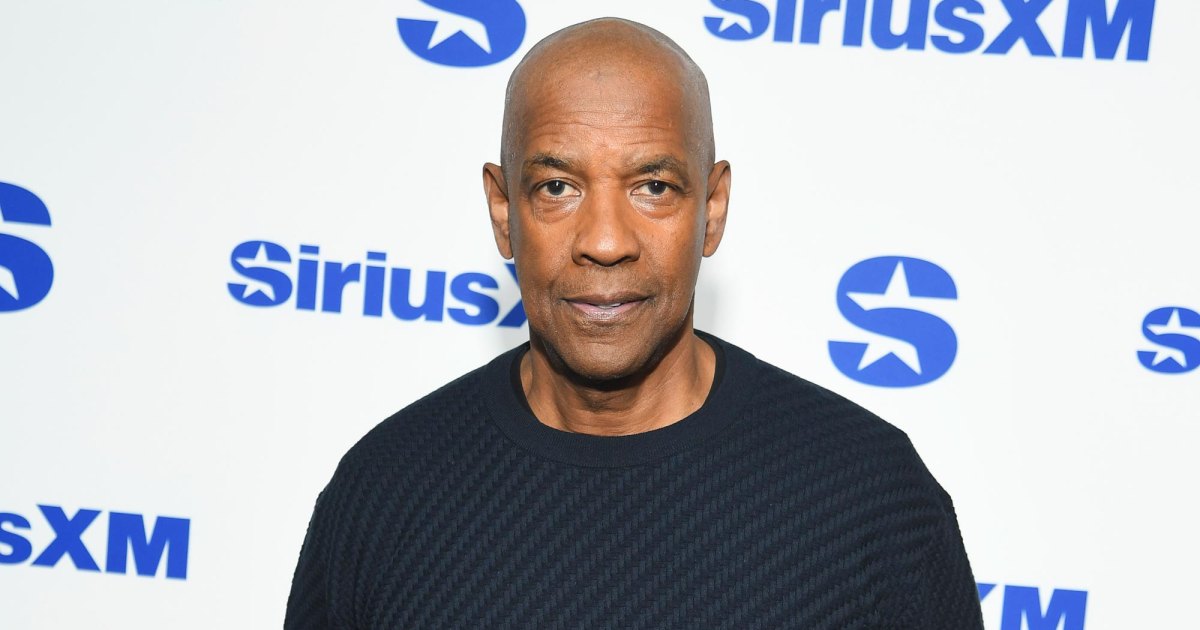
Denzel Washington’s Close Call: The Incident That Changed His Voice
Denzel Washington, a titan of the film industry, has captivated audiences for decades with his powerful performances and distinct voice. However, a recent revelation about a near-fatal injury he experienced has shed new light on the challenges he faces, particularly regarding his speech. In a candid interview, Washington opened up about the harrowing moment when he nearly bit his tongue off, an incident that not only terrified him but also brought about significant changes to his voice and speech patterns. This unfortunate event raises important questions about the impact of health on a celebrated career and how artists adapt to unexpected challenges.
The Incident: A Shocking Revelation
In an unexpected turn of events, during a routine rehearsal for an upcoming film, Denzel Washington faced a life-threatening accident. While performing an intense scene, he lost his footing and fell, resulting in a brutal collision that caused him to bite down hard on his tongue. The injury was severe enough that it nearly severed a significant portion of his tongue. In the aftermath, he found himself grappling not only with physical pain but also the psychological toll of such a traumatic experience.
Washington described the incident as a “close call” that left him shaken but determined. “I never thought something so small could have such a massive impact on my life,” he noted. The immediate aftermath involved a long recovery process, including surgeries and speech therapy to help him regain his articulation and confidence.
Impact on His Voice and Speech
The implications of this injury on Denzel Washington’s voice were profound. Known for his commanding presence and articulate delivery, the changes in his speech were not trivial. Following the injury, Washington experienced difficulties with certain sounds, particularly sibilants and stop consonants. This challenge forced him to adapt his speech patterns, a process that was both frustrating and enlightening.
- Speech Therapy: Washington underwent extensive speech therapy to address the changes in his voice. This included working with specialists who helped him regain control over his mouth and tongue movements, essential for clear enunciation.
- Vocal Exercises: He incorporated various vocal exercises into his daily routine to strengthen his voice and improve clarity. These exercises included breath control techniques and articulation drills.
- Mental Resilience: Beyond the physical aspects, Washington emphasized the importance of mental resilience. The psychological impact of such an injury can be just as challenging as the physical recovery.
The Relevance of Health in an Actor’s Career
Washington’s experience highlights a crucial aspect of the entertainment industry: the vulnerability of artists to health-related challenges. Actors rely heavily on their physical and vocal capabilities to convey emotions and connect with audiences. A sudden injury can have far-reaching consequences, not just for the individual but also for the projects they are involved in.
Consider the following points regarding the impact of health on an actor’s career:
- Physicality of Performance: Many roles require actors to be physically agile and expressive. An injury can limit these capabilities, affecting not only performance but also casting decisions.
- Vocal Performance: For actors like Washington, who often deliver monologues or intense dialogues, the ability to project and articulate clearly is paramount. Any changes in voice can alter the perception of a character and the overall impact of a performance.
- Public Perception: An actor’s health can influence public perception. Fans and critics alike may question an actor’s ability to perform at their best if they are aware of ongoing health issues.
Overcoming Adversity: A Testament to Washington’s Resilience
Despite the challenges he faced, Denzel Washington’s resilience shone through. His determination to overcome the hurdles posed by his injury is a testament to his character, both as a person and as an artist. He approached his recovery with the same dedication he has shown throughout his career, demonstrating that setbacks can lead to new strengths.
In interviews following his recovery, Washington expressed gratitude for the support he received from his family, friends, and colleagues. “It’s easy to forget how much we rely on our health until something like this happens,” he reflected. “But it also reminds you of the importance of perseverance and adaptability.”
Lessons Learned from the Experience
Denzel Washington’s close call serves as a powerful reminder of the fragility of life and the importance of health. Here are some key lessons that can be drawn from his experience:
- Prioritize Health: For anyone in a demanding profession, prioritizing health is crucial. Regular check-ups, maintaining physical fitness, and mental health awareness can help prevent unforeseen circumstances.
- Adaptability is Key: Life is unpredictable, and the ability to adapt to new challenges can lead to growth and resilience. Washington’s journey emphasizes the importance of embracing change.
- Seek Support: No one should navigate their challenges alone. Seeking help from professionals, family, and friends can provide the necessary support to overcome difficulties.
A Bright Future Ahead
As Denzel Washington continues to recover and adapt, his future in the film industry remains bright. His talent and dedication have earned him a reputation as one of the greatest actors of his generation. While his voice may have changed, the essence of his performances endures. Audiences can expect to see him take on new roles that challenge his abilities and showcase his resilience.
In conclusion, Denzel Washington’s near-fatal injury serves as a poignant reminder of the challenges that can arise unexpectedly in life. His experience underscores the importance of health in an artist’s career and the ability to overcome adversity with strength and grace. As he continues to navigate this new chapter, he inspires not only his peers but also a generation of aspiring actors and individuals facing their own challenges.
See more CNET Live