
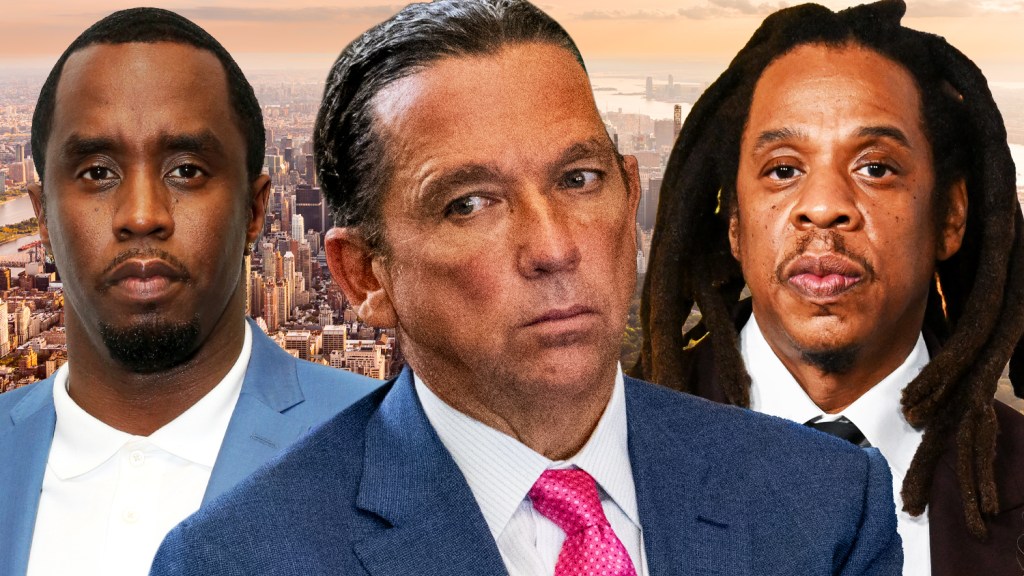
Diddy and Jay-Z Take a Stand: Analyzing the Allegations Against Bad Boy Records’ Legal Struggles
In a surprising turn of events, music moguls Diddy and Jay-Z have publicly addressed serious allegations of misconduct against the lawyer representing multiple cases against Diddy. This unfolding drama highlights the intersection of celebrity, law, and the music industry, raising questions about accountability and ethics.
The Background of Bad Boy Records
Founded in 1993 by Sean “Diddy” Combs, Bad Boy Records has been a pivotal player in the evolution of hip-hop and R&B. The label launched the careers of numerous artists, including The Notorious B.I.G., Faith Evans, and Ma$e. However, its influence has not come without controversy. Over the years, Diddy has faced various legal challenges, including allegations of contract disputes and mismanagement.
The Current Allegations
Recently, allegations have surfaced against the attorney representing plaintiffs in several lawsuits against Diddy. These claims include unethical practices and potential conflicts of interest that could jeopardize the integrity of the legal process. Diddy and Jay-Z, recognizing the implications of these accusations, have taken a stand, emphasizing the importance of accountability within the music industry.
Understanding the Legal Landscape
The legal landscape surrounding music and celebrity is complex. Artists often find themselves entangled in contracts that can be confusing and laden with legal jargon. When disputes arise, the role of legal representation is critical. It is essential for lawyers to navigate these waters ethically to protect their clients’ interests while upholding the legal system’s integrity.
In light of the recent allegations, both Diddy and Jay-Z have expressed their concerns about the attorney’s conduct. They argue that such behavior not only impacts the individuals involved in legal disputes but also tarnishes the reputation of the entire industry.
Diddy and Jay-Z: A United Front
In a joint statement, Diddy and Jay-Z emphasized their commitment to integrity in the music business. They called for greater scrutiny of legal representatives and an industry-wide effort to ensure fair practices. Their stance is particularly significant given their status as influential figures in the music world.
- Accountability: Both artists underscored the necessity for lawyers to be held accountable for their actions, particularly when they involve allegations of misconduct.
- Ethics in Representation: They advocated for ethical standards in legal representation, stressing that artists deserve fair treatment and representation.
- Industry Impact: The duo highlighted how the actions of one individual can reflect poorly on the entire industry, urging for a collective effort to uphold ethical standards.
Exploring the Implications of the Allegations
The allegations against the attorney raise several important questions about the music industry’s legal framework. As artists navigate their careers, they depend heavily on their legal counsel to protect their rights and interests. When misconduct arises, it can have far-reaching implications:
- Artist Trust: Trust between artists and their legal representatives is paramount. Allegations of misconduct can erode this trust, leading to hesitance among artists to pursue legitimate claims.
- Future Legal Battles: Ongoing and future legal disputes may be impacted by the allegations, as they could set a precedent for how similar cases are handled.
- Public Perception: The public’s perception of both the artist and the legal system can be adversely affected, potentially leading to a backlash against the industry as a whole.
Historical Context of Legal Challenges in the Music Industry
The music industry has a long history of legal disputes involving artists and their representatives. Notable cases include:
- Prince vs. Warner Bros: The legendary artist fought against his label to gain control over his master recordings, highlighting the struggles artists face in retaining their artistic freedoms.
- Taylor Swift and Big Machine Records: Swift’s public battle over the ownership of her back catalog raised significant discussions about artist rights and label control.
- The Notorious B.I.G.: The late rapper’s estate has faced multiple legal issues posthumously, reflecting the complexities surrounding artists’ legacies and rights.
What’s Next for Diddy and Jay-Z?
As this situation unfolds, the music community watches closely. Diddy and Jay-Z’s proactive stance may inspire other artists to speak out against unethical practices in the industry. Their leadership in this matter could lead to a broader movement advocating for transparency and accountability.
Moreover, there is potential for reform in how legal representation is approached in the music industry. By fostering an environment where ethical practices are prioritized, both artists and their legal representatives can work together more harmoniously.
Conclusion: A Call for Change
The allegations against the lawyer representing cases against Diddy serve as a catalyst for a larger conversation about ethics in the music industry. Diddy and Jay-Z’s collective stand emphasizes the need for accountability and integrity among legal professionals. As the music world continues to evolve, so too must the frameworks that govern it, ensuring that artists can thrive without the burden of unethical practices. The hope is that this situation will lead to meaningful changes, fostering a culture of respect and fairness in the industry.
In summary, as Diddy and Jay-Z navigate this complex legal landscape, their commitment to integrity and accountability may inspire positive changes within the music industry, reinforcing the importance of ethical behavior in all professional realms.
See more CNET Live