
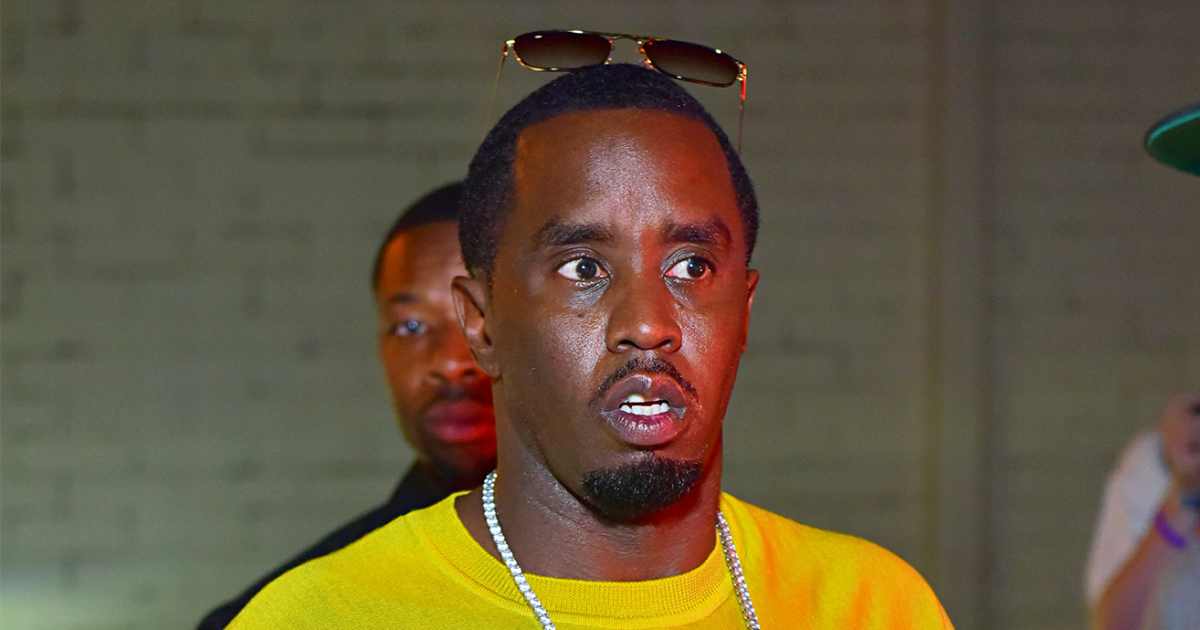
Diddy Faces Serious Allegations: Understanding the Claims of a Street Performer
In a shocking turn of events, music mogul Diddy is facing serious allegations from a street performer who has come forward with disturbing claims of brutal sexual assault. This landmark case not only raises questions about the accountability of celebrities but also sheds light on the often hidden power dynamics that pervade the entertainment industry. As details continue to emerge, the implications of this lawsuit are profound, touching on the broader societal issues of consent, abuse, and the treatment of marginalized individuals in the arts.
The Allegations: What We Know So Far
The allegations against Diddy, whose real name is Sean Combs, were filed in a lawsuit that has sent shockwaves through the entertainment community. The plaintiff, a street performer known for his creative acts in public spaces, has accused Diddy of engaging in predatory behavior that culminated in a violent sexual assault. According to the lawsuit, the incident allegedly took place in a high-profile location, which adds to the gravity of the accusations.
While specific details are still emerging, the street performer claims that the encounter was not consensual and that Diddy used his celebrity status to exert control over the situation. Such allegations are not only immensely serious but also highlight the challenges faced by individuals who operate outside the mainstream spotlight, as they often lack the resources and support systems available to more established figures.
The Impact of Celebrity Culture on Accountability
This case raises critical questions about celebrity accountability in the face of serious allegations. Historically, high-profile figures have often evaded consequences for their actions, with their wealth and influence allowing them to navigate legal systems with relative ease. The entertainment industry has long been criticized for enabling a culture where abusive behavior can thrive, especially when it comes to interactions with those in less powerful positions, such as street performers, aspiring artists, and others seeking opportunities.
Moreover, the power dynamics at play in such situations cannot be overstated. The entertainment industry has a notorious reputation for fostering environments where consent can be overlooked, and where the lines between professional and personal boundaries become blurred. The lawsuit against Diddy serves as a reminder that accountability should extend to all individuals, regardless of their status in society.
Voices from the Margins: The Street Performer’s Perspective
The street performer at the center of this lawsuit represents a segment of the artistic community that often goes unseen and unheard. Street performers, or “buskers,” play a vital role in enriching urban landscapes, yet they frequently grapple with issues such as exploitation and harassment. Many of these artists work in public spaces where they are vulnerable to the whims of passersby, and the lack of legal protections can leave them at the mercy of those with more power.
The performer’s courage in coming forward not only sheds light on their personal experience but also amplifies the voices of countless others who have faced similar situations. It is essential to recognize that when individuals from marginalized backgrounds speak out, they can inspire a broader dialogue about consent, power, and the need for systemic change within the entertainment industry.
As this case unfolds, the legal system will play a crucial role in determining the outcome of the allegations against Diddy. Legal proceedings in cases of sexual assault can be complex and emotionally taxing for all parties involved. The street performer will likely face the scrutiny that comes with public allegations, and the burden of proof will rest on their shoulders.
It is important to highlight the significance of legal representation in such cases. Having experienced legal counsel can make a substantial difference in navigating the intricacies of the law and ensuring that the victim’s voice is heard. The challenges of pursuing justice in sexual assault cases are well-documented, and the path to accountability can be fraught with obstacles.
The Broader Implications: Changing the Narrative
The allegations against Diddy come at a time when society is increasingly acknowledging the need for change regarding how sexual assault is handled, particularly within the entertainment industry. The #MeToo movement has paved the way for a new dialogue around consent, accountability, and the treatment of individuals who have been marginalized.
As more individuals come forward with their stories, it becomes evident that the culture surrounding celebrity and power must be reexamined. The narrative surrounding these issues is changing, and the conversations prompted by such allegations are crucial for fostering a more equitable environment for all artists.
Supporting Survivors: The Importance of Advocacy
In light of these serious allegations, it is crucial to emphasize the importance of supporting survivors of sexual assault. Advocacy organizations and support networks play an essential role in providing resources and assistance to individuals who have experienced trauma. These organizations can offer legal aid, counseling, and a safe space for survivors to share their experiences without fear of judgment.
Moreover, public support for survivors can help to foster a culture of accountability. By standing in solidarity with those who come forward, society can send a strong message that abusive behavior will not be tolerated, regardless of the perpetrator’s status. This is especially vital for those who may feel isolated or powerless in their circumstances.
Conclusion: A Call for Accountability and Change
The disturbing allegations against Diddy serve as a stark reminder of the complexities surrounding celebrity culture, power dynamics, and the urgent need for accountability in the entertainment industry. As the street performer bravely shares their story, it opens the door for a broader conversation about the treatment of artists and the importance of consent.
Ultimately, this case is not just about one individual; it is about the systemic issues that allow abuse to flourish and the urgent need for cultural change. As society continues to grapple with these difficult topics, it is essential to support survivors, hold powerful individuals accountable, and advocate for a future where all artists can thrive without fear of exploitation.
See more CNET Live