
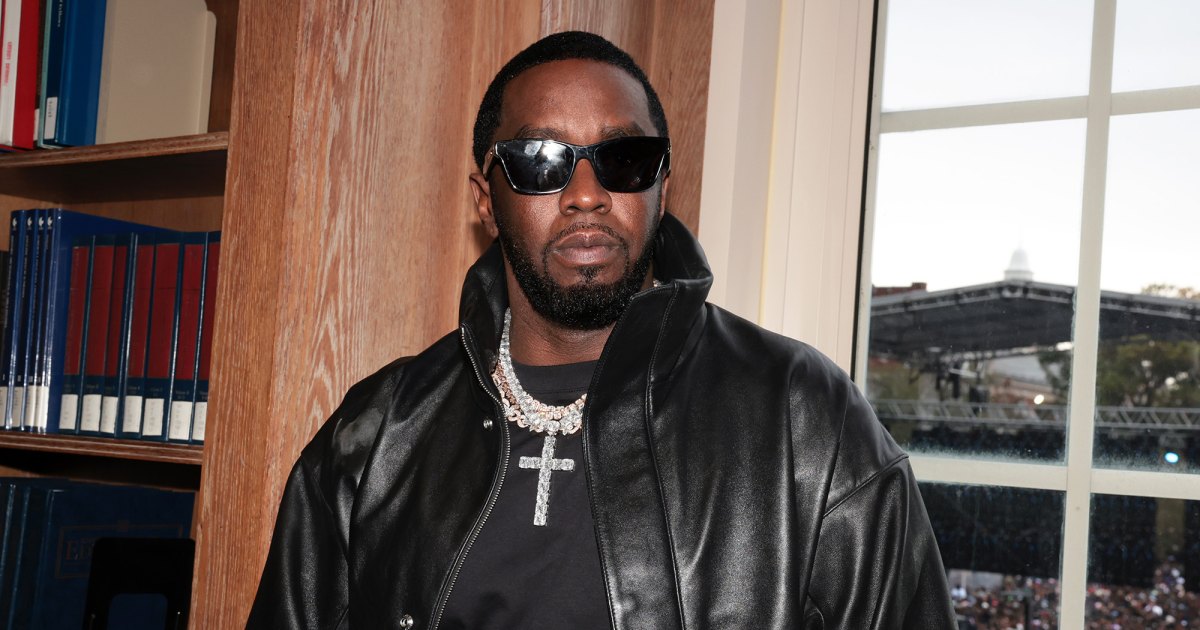
Diddy’s $100 Million Showdown with NBC: The Battle Over Bad Boy’s Legacy
In a dramatic turn of events, music mogul Sean “Diddy” Combs is embroiled in a significant legal battle with NBC, seeking a staggering $100 million in damages over the network’s documentary titled “Making of a Bad Boy.” This clash raises profound questions about ownership, artistic control, and the legacy of one of hip-hop’s most influential figures. Diddy’s lawsuit not only highlights the intricacies of media representation but also brings to light the ongoing struggle artists face in maintaining control over their narratives.
The Background of Bad Boy Entertainment
Diddy founded Bad Boy Entertainment in 1993, rapidly becoming a powerhouse in the music industry, especially during the 1990s and early 2000s. The label was home to legendary artists such as The Notorious B.I.G., Faith Evans, Mase, and Puff Daddy himself. Bad Boy not only defined the East Coast hip-hop scene but also played a pivotal role in shaping the broader cultural landscape of music, fashion, and lifestyle during that era.
However, the legacy of Bad Boy Entertainment is not without its complications. The tragic death of The Notorious B.I.G. in 1997, along with the various controversies surrounding Diddy and his artists, has led to a complex narrative that Diddy now seeks to control. The documentary “Making of a Bad Boy” aims to delve into this rich history, but Diddy’s legal action suggests he believes the portrayal may misrepresent his legacy and the stories of those involved.
The Legal Battle: Diddy’s Claims Against NBC
Diddy’s lawsuit against NBC asserts that the documentary infringes on his rights as the creator and curator of Bad Boy’s legacy. He claims that the network did not secure permission to use his likeness, music, or the stories of the artists he worked with, representing a breach of his artistic control. This is a critical point, as artists increasingly seek to protect their narratives in an era where documentaries and biopics flourish.
Furthermore, Diddy argues that the documentary could potentially tarnish his image and the reputation of Bad Boy Entertainment. The lawsuit indicates that Diddy seeks to reclaim authority over his narrative and protect the memories of those who contributed to the Bad Boy legacy, particularly in light of how the media has historically portrayed hip-hop culture.
The Broader Implications of Diddy’s Lawsuit
Diddy’s legal confrontation with NBC brings to the forefront essential issues regarding the ownership of artistic content. The case raises several questions:
- **Who owns an artist’s story?** This dilemma is particularly poignant in the world of hip-hop, where narratives are often intertwined with personal experiences and cultural significance.
- **How can artists protect their legacies?** As the media landscape continues to evolve, artists must navigate the complexities of storytelling, especially when it involves past events that shaped their careers.
- **What are the ethical responsibilities of media producers?** Documentaries can have lasting impacts on an artist’s legacy, and there is a growing conversation about the responsibility of producers to ensure accurate and respectful representation.
The Evolution of Documentaries in Hip-Hop
The rise of documentaries focused on hip-hop culture reflects a broader interest in the genre’s history and impact. Projects like “Hip-Hop Evolution” and “Rapture” have offered fans and newcomers alike a glimpse into the evolution of the genre, but they have also sparked discussions about representation and accuracy. Diddy’s lawsuit emphasizes the necessity for artists to be involved in the storytelling process, ensuring their legacies are portrayed accurately and respectfully.
Moreover, the hip-hop community has become increasingly vocal about ownership rights, as seen in the recent trend of artists reclaiming their narratives through various platforms. Diddy’s legal battle with NBC could set a precedent for future artists seeking to maintain control over their stories. This situation underscores a collective desire among hip-hop artists to have their voices heard and their stories told authentically.
The Potential Outcomes of the Case
The outcome of Diddy’s lawsuit could have significant implications for the music industry and documentary filmmaking. If Diddy succeeds, it may reinforce the notion that artists have a right to govern their narratives, leading to more stringent requirements for documentary filmmakers regarding permissions and rights. On the other hand, if NBC prevails, it could spark concerns among artists about their ability to share their stories and legacies in an unencumbered way.
Additionally, this case could lead to increased discussions about the responsibilities of media companies in accurately representing artists and their work. As audiences become more discerning, the demand for authentic and respectful storytelling will likely grow, pushing media companies to reassess their practices.
Conclusion: A Fight for Legacy
Diddy’s $100 million showdown with NBC is emblematic of a broader struggle within the music industry and beyond—a fight over legacy, narrative, and control. As the case unfolds, it will not only impact Diddy’s career but may also influence how artists navigate their narratives in the future. The outcome could set a benchmark for how media companies engage with artists and their stories, ensuring that the legacies of influential figures like Diddy and the artists of Bad Boy Entertainment are honored and preserved.
As we await further developments in this high-stakes legal battle, one thing remains clear: the conversation surrounding artistic ownership and legacy is more important than ever, and Diddy’s fight may just be the catalyst for a much-needed change in the relationship between artists and the media.
See more CNET Live